Updated: 10 August 2026 by Sylwia (MyCrochetory)
Half the “beginner-friendly” crochet tutorials out there act like you already know stuff. I’ve fixed that, promise.
Hi, I’m Sylwia! Looking for free crochet tutorials for beginners that actually make sense? You found the right place, I mean it.
I’ve got more than 20 tutorials waiting for you here. Your very first slip knot, all the way to baby blankets and mosaic shawls that look SO much harder than they really are. Clear steps, real photos, videos when you need to actually see it happen, and patterns you can start today for free.
Grab your hook, girl. Let’s make something.
Save this for later, you’ll want to come back to it. 📌
Why You’ll Love Crochet in 2026
Okay, crocheting a few chains is honestly like a tiny brain break. Just you, your hook, some yarn, and five minutes where your brain finally goes quiet. I need that most days, not gonna lie.
And you will never, ever run out of stuff to make. Baby headbands, pillows, mosaic blankets, lace shawls, whatever mood hits you that day. I keep adding new patterns too, so there’s always something new waiting. Free. Every time.
The more you practice, the more you start changing patterns your own way. Or just making up your own thing completely. It happens faster than you’d think.
And handmade gifts? Come on. A soft baby blanket or a cute granny square in colors you picked yourself beats anything from a store, no contest.
Getting Started: Your Crochet Toolkit
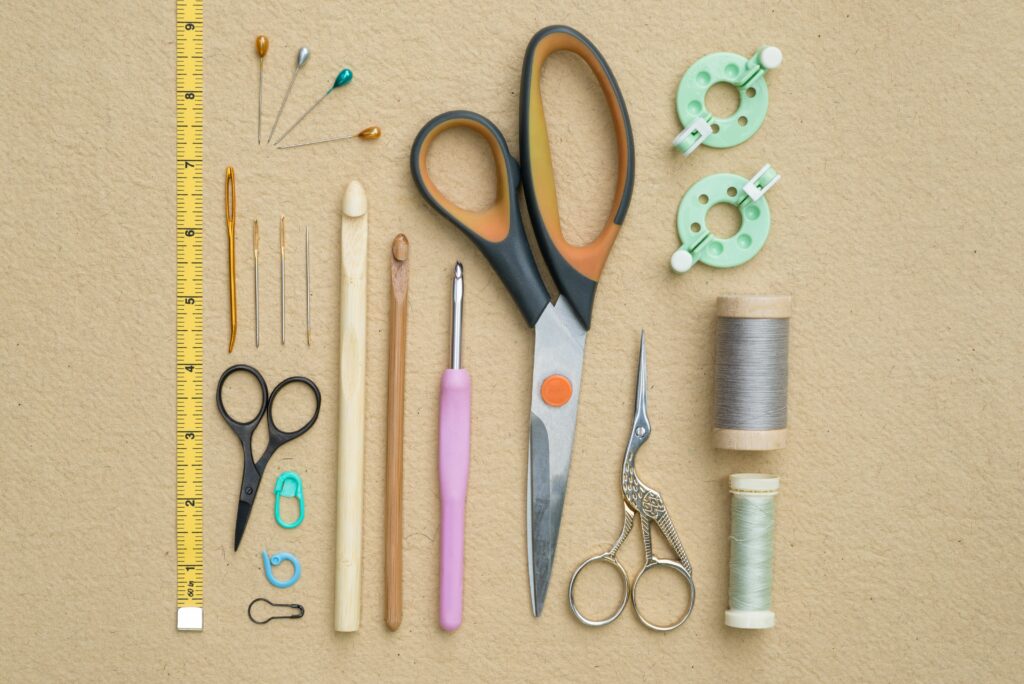
Here’s what you actually need, nothing fancy, I promise:
- Hook size: crochet hook sizes for beginners usually start around 4mm-5mm for medium-weight yarn. Go smaller if you’re doing lace.
- Yarn: cotton is great for dishcloths, something thicker if you want a cozy throw. Just depends what you’re making.
- Stitch markers: use them for your first stitch, your turning chain, any repeats. Future you will be so grateful.
- Don’t forget: a yarn needle for weaving in ends, good lighting, and a comfy spot to sit. You’ll be there a while, trust me.
Foundation Techniques
Okay so “foundation stitches” sound super technical but really it’s just a shortcut. You skip that annoying floppy starting chain and jump straight into a neat, tight first row. So much less annoying, I promise you’ll love it.
I’ve got three versions for you here: Foundation Single Crochet, Foundation Double Crochet, and one where I line up all three so you can pick your favorite.
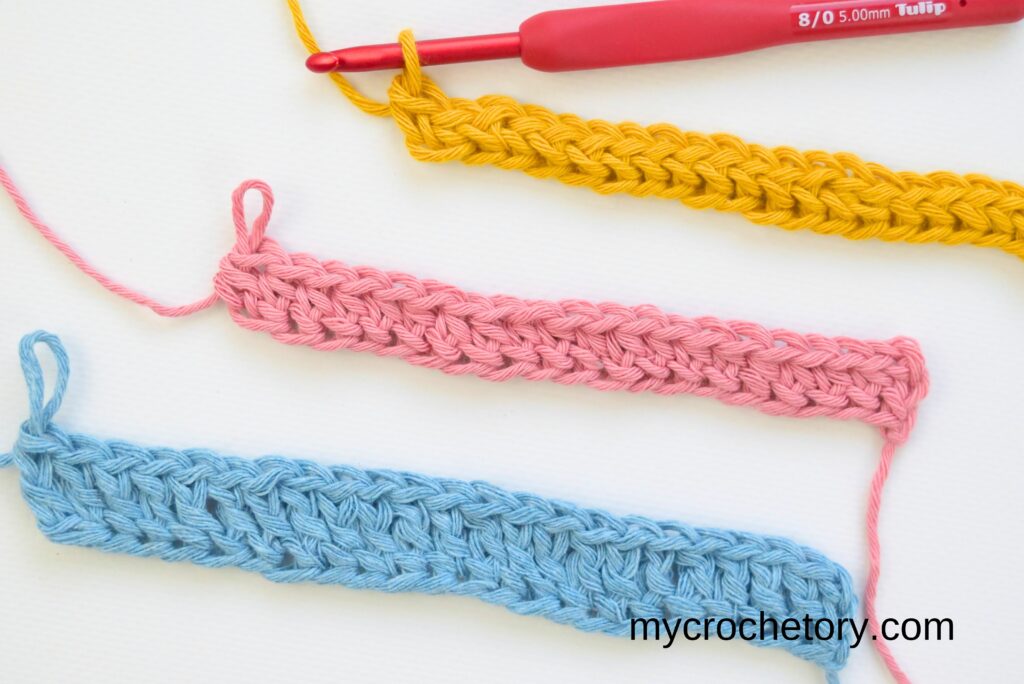
Foundation Single Crochet (FSC): want that stretchy, clean edge without the floppy chain drama? This does exactly that, and it’s way easier than it looks. Full guide here, photos, quick video, project ideas, the whole thing.
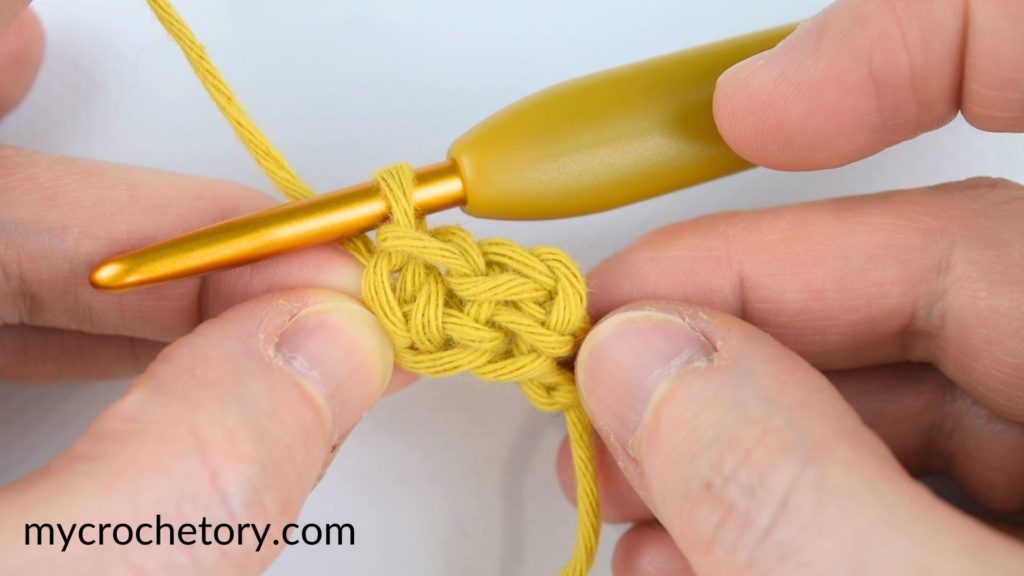
Foundation Double Crochet (FDC): same idea as FSC but for double crochet. You join your chain and first stitch in one move, flawless edge every single time. Tutorial’s right here, photos and a quick video too.
Want to see all three side by side? This one lines up FSC, FHDC, and FDC together so you can just pick what fits.
Quick cheat sheet:
- FSC is perfect for single-crochet stuff, amigurumi, baby items.
- FHDC works great for denser fabric with fewer rows, think shawls and blankets.
- FDC is your pick for quick width and lacy mesh.
Basic Stitch Tutorials
These are your bread and butter, the stitches you’ll use in literally every single pattern you ever make.
Single Crochet (SC): insert your hook, yarn over, pull up a loop. Yarn over again, pull through both loops. Repeat and you’re golden.
This stitch shows up everywhere, baby blankets, granny squares, all of it. Beginner’s guide here, photos and video included.
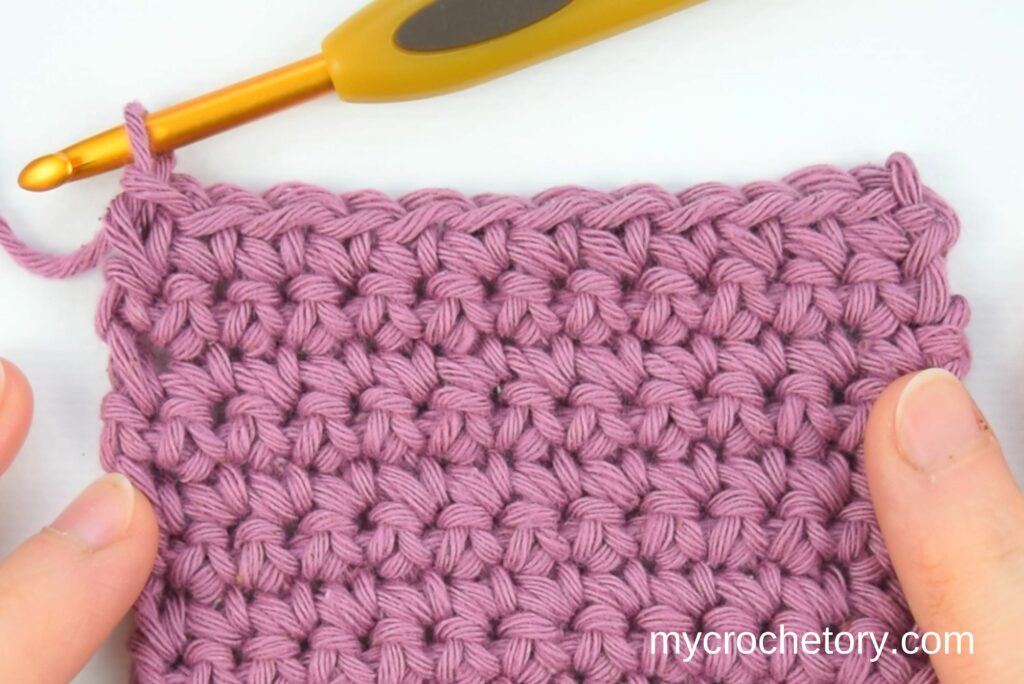
Half-Double Crochet (HDC): yarn over, insert hook, yarn over, pull through (you’ve got 3 loops now). Yarn over one more time, pull through all three.
Gives you this soft, squishy texture, perfect for cozy scarves and blankets. Details here.
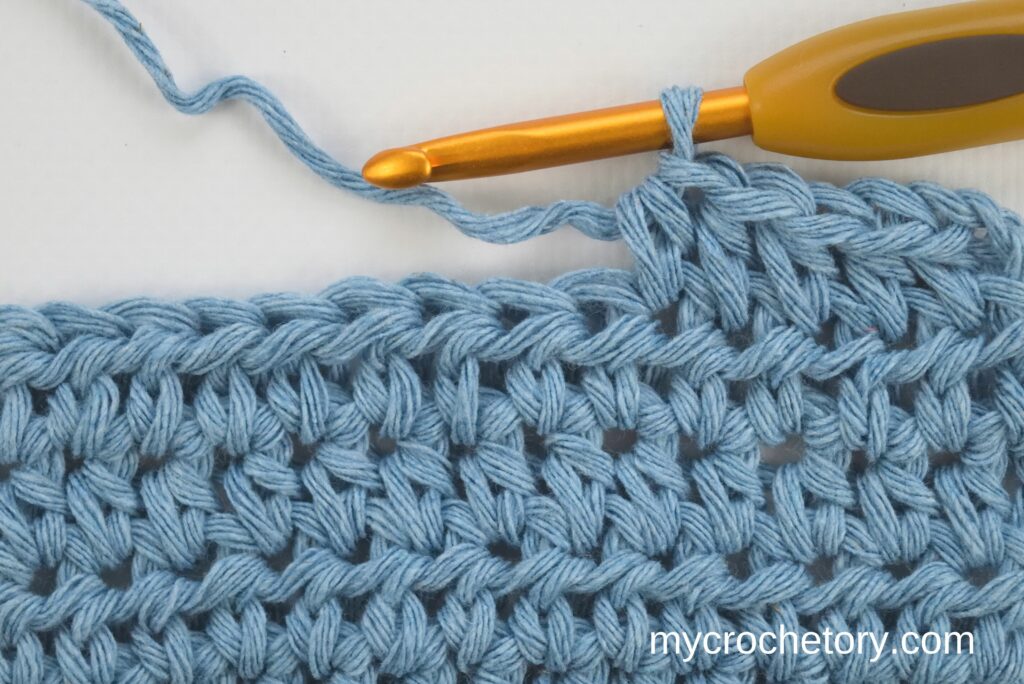
Double Crochet (DC): yarn over, insert hook, pull up a loop (3 loops). Yarn over, pull through 2, yarn over again, pull through the last 2.
Open, lacy, gorgeous, great for shawls and summer tops. Full tutorial here.
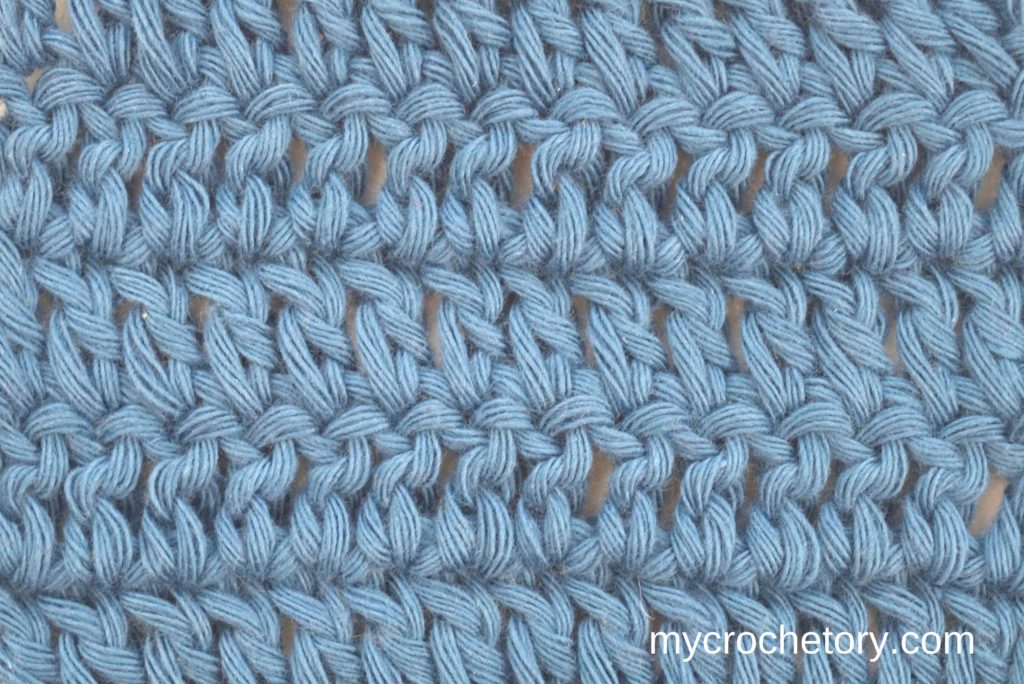
Treble Crochet (TR): yarn over twice, insert hook, pull up a loop (4 loops). Yarn over, pull through two loops, then twice more.
Tall, lacy, kind of dramatic honestly, I love it. Guide’s here.
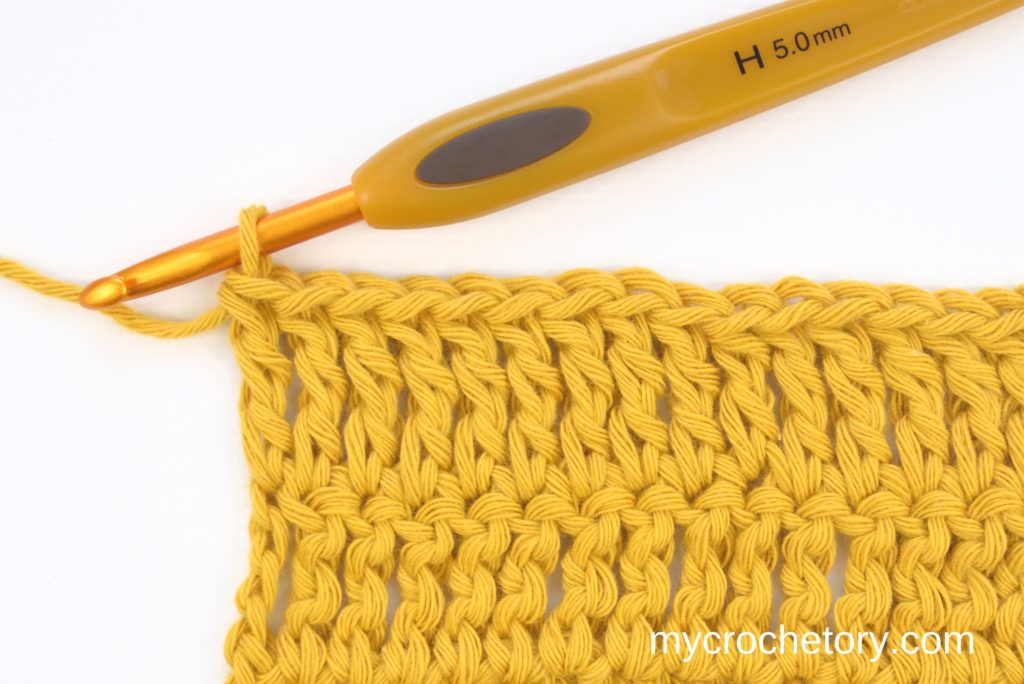
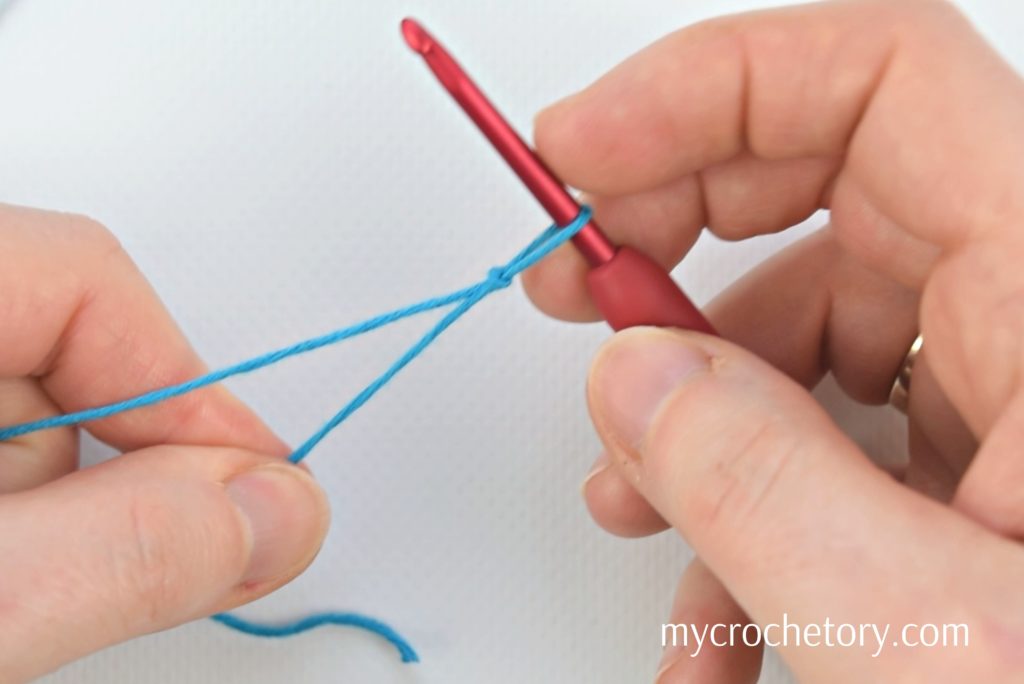
Slip Knot and Slip Stitch: your slip knot is that little adjustable loop that sets your tension for row one. Three ways to tie it here.
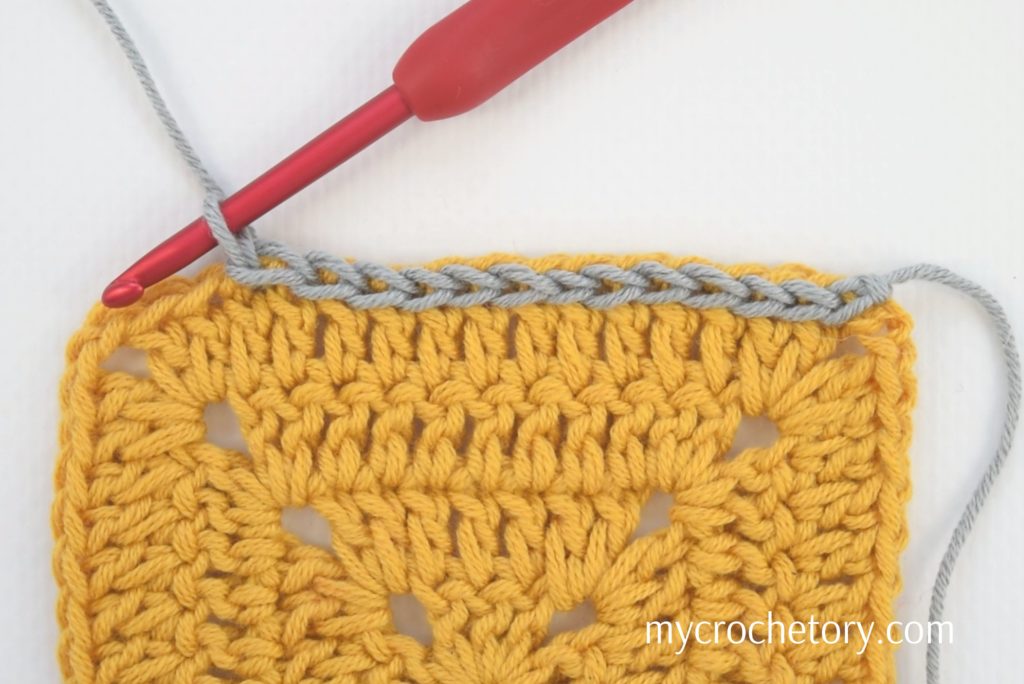
Slip stitches aren’t just for joining though, use them for clean edges, decorative bits, and quick seams too. Full tutorial here.
Creative Crochet Stitches
Okay these ones are just plain fun. They give your crochet that extra spark, you know?
Moss (Linen) Stitch
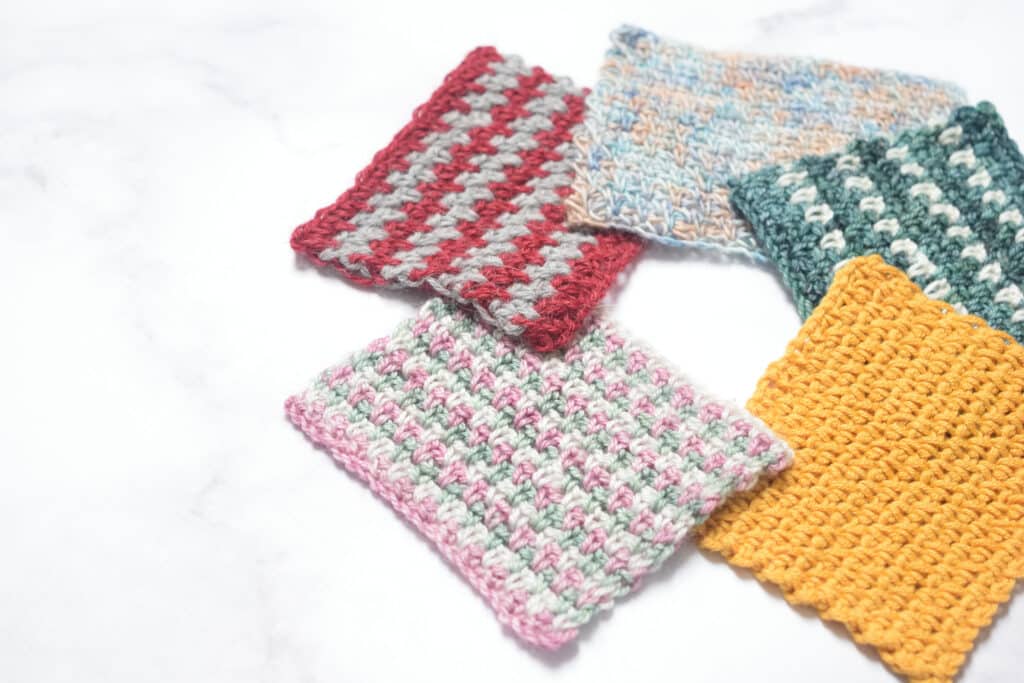
Single crochets and chains team up into this cozy reversible fabric, so good for scarves, cowls, blankets. More here.
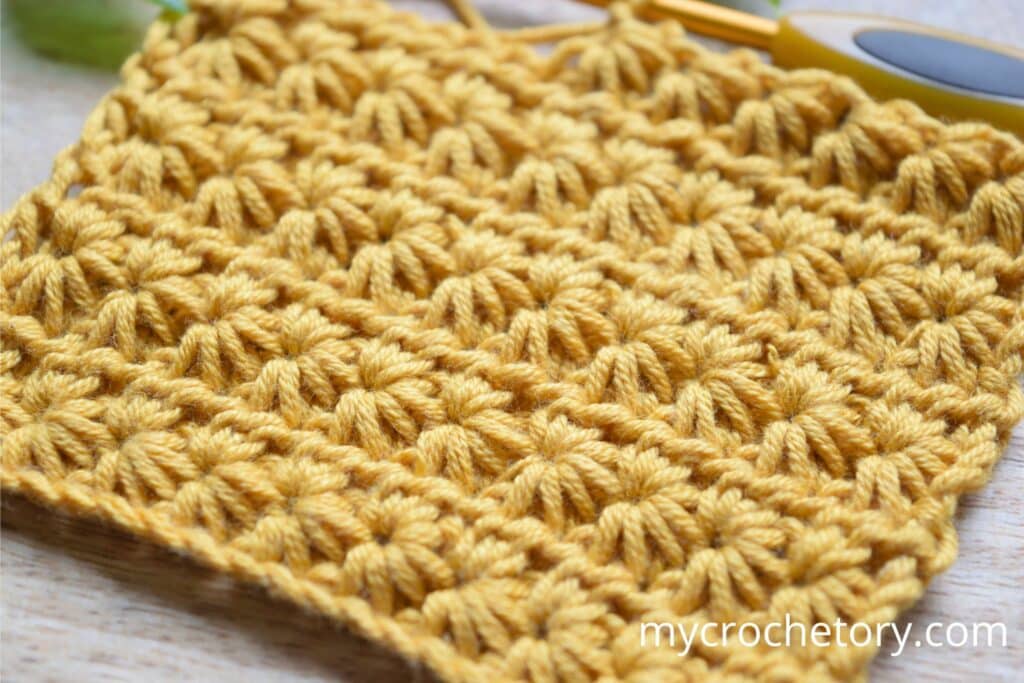
Star Stitch
Clusters of single crochets turn into this adorable little starburst. Instant personality, hardly any extra effort. More here.
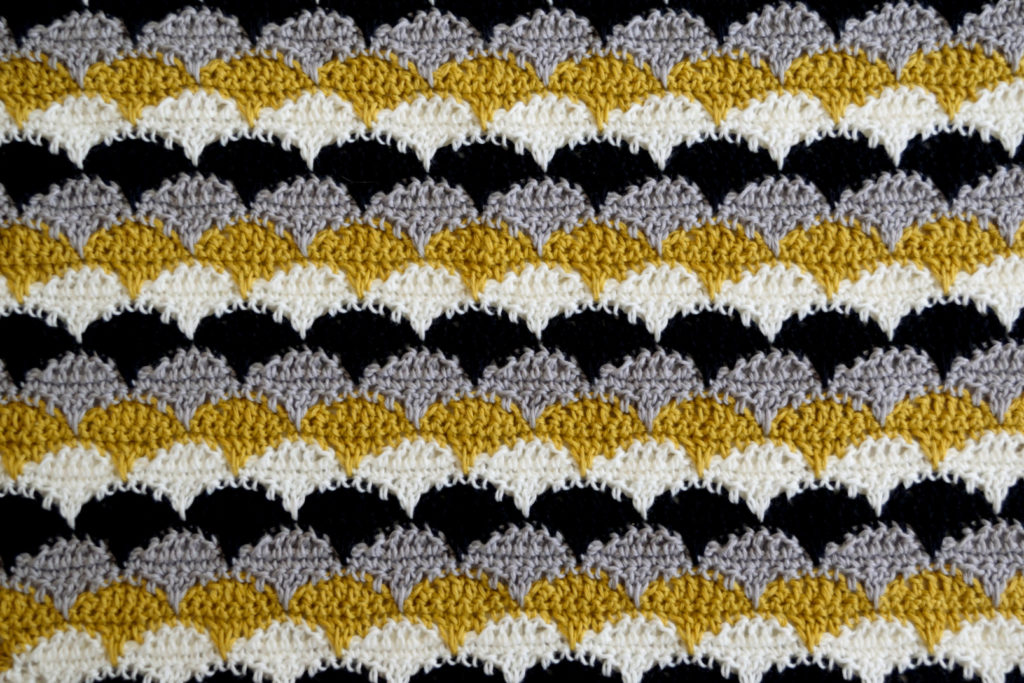
Clamshell Stitch
Layered shells of double crochet, such elegant scallops. Perfect for a fancy edge or a whole motif. More here.
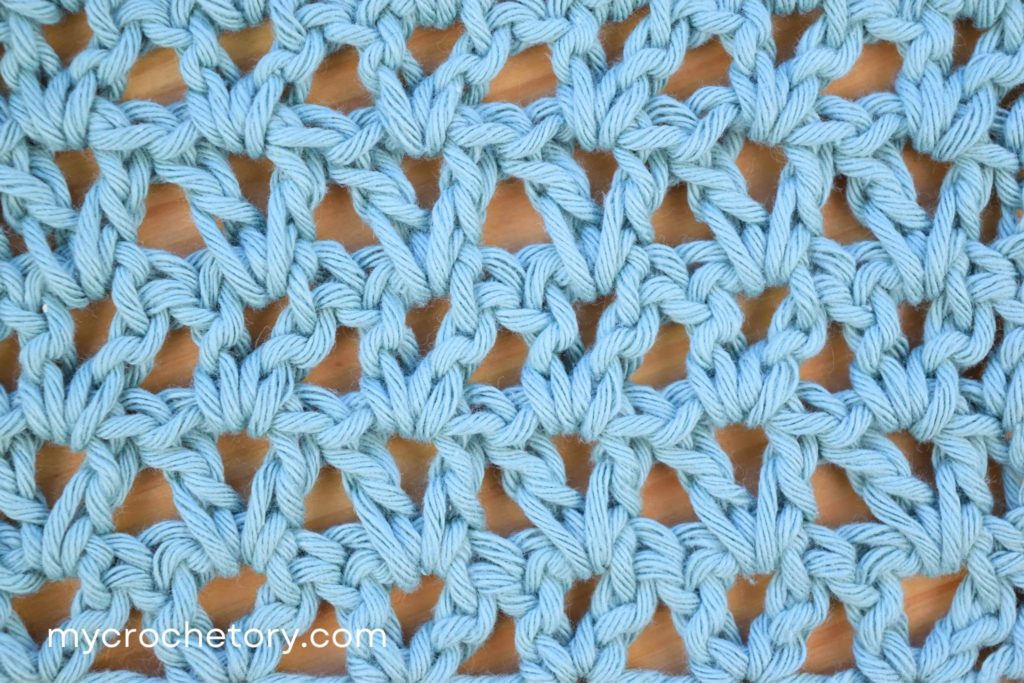
V‑Stitch
Double crochets plus chains give you this airy, open look. Works so well for wraps and shawls. More here.
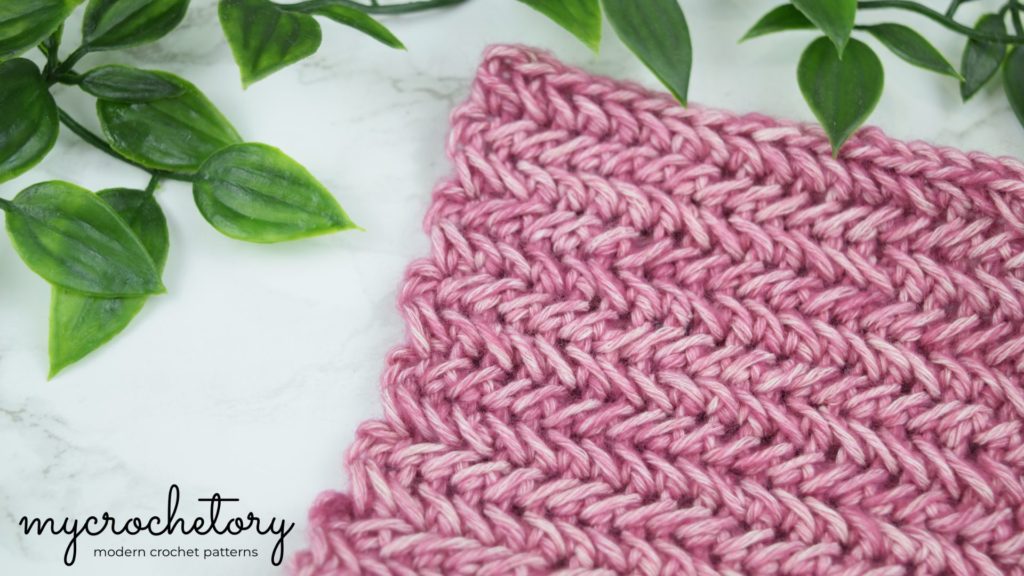
Herringbone Stitch
This chic zigzag texture kind of looks knit, it genuinely fools people. Nice pick for accessories and home decor. More here.
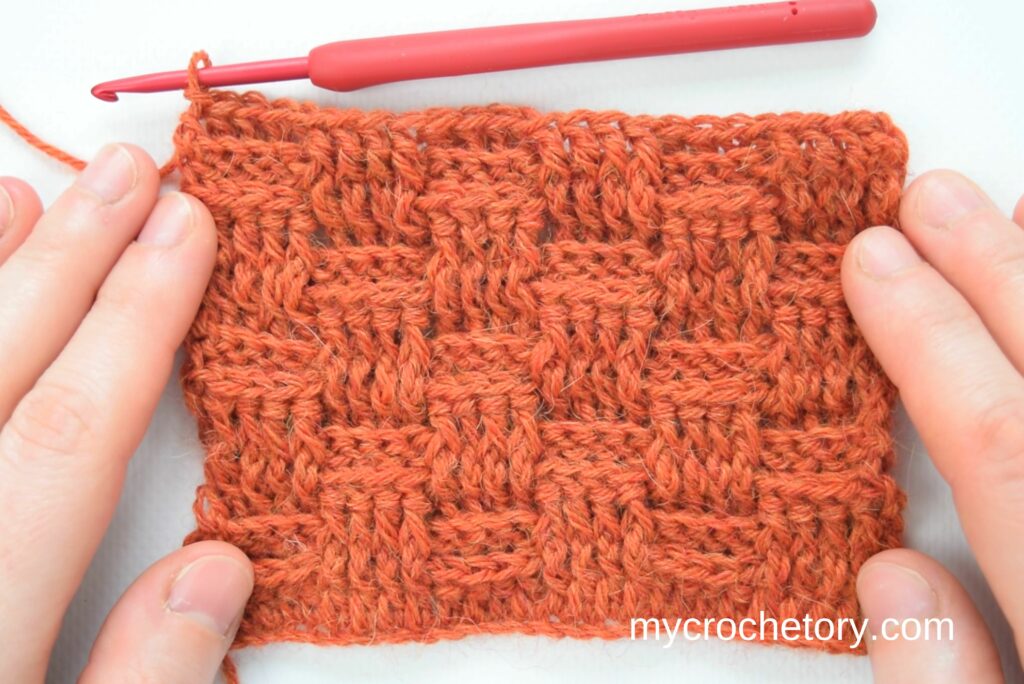
Basketweave Stitch
Front-post and back-post double crochets woven together, thick and rich. Lovely for blankets and pillows. More here.
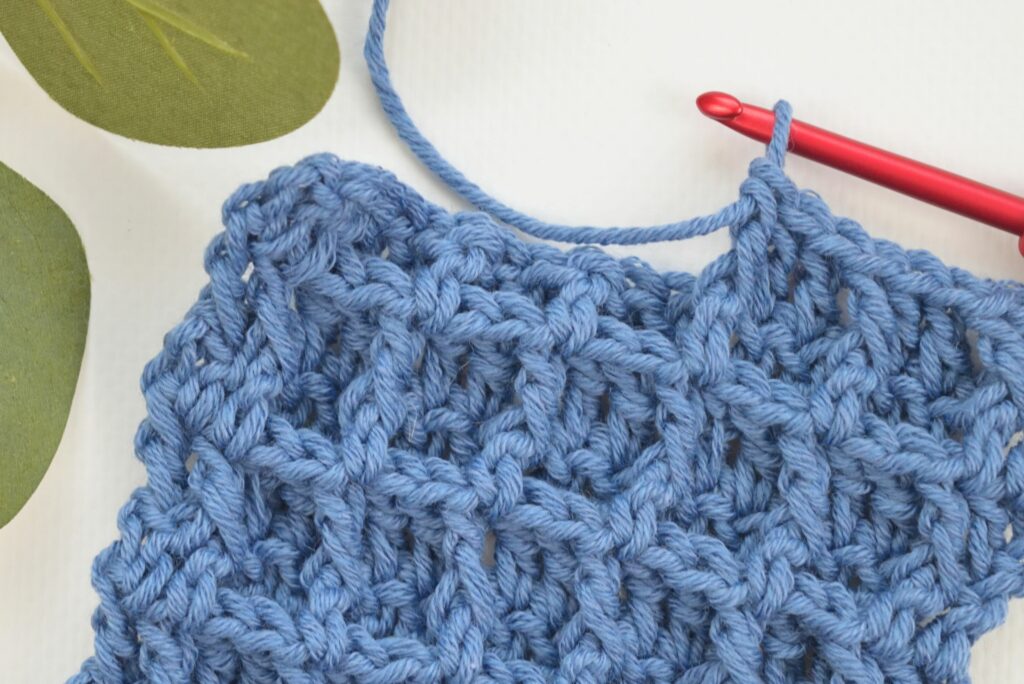
Waffle Stitch
Double crochets and post stitches stacked into this thick, grid-like texture. Works well for throws and kitchen cloths. More here.
Advanced & Colorwork Techniques
Feeling brave? These take your blankets and hats from basic to genuinely impressive, for real.
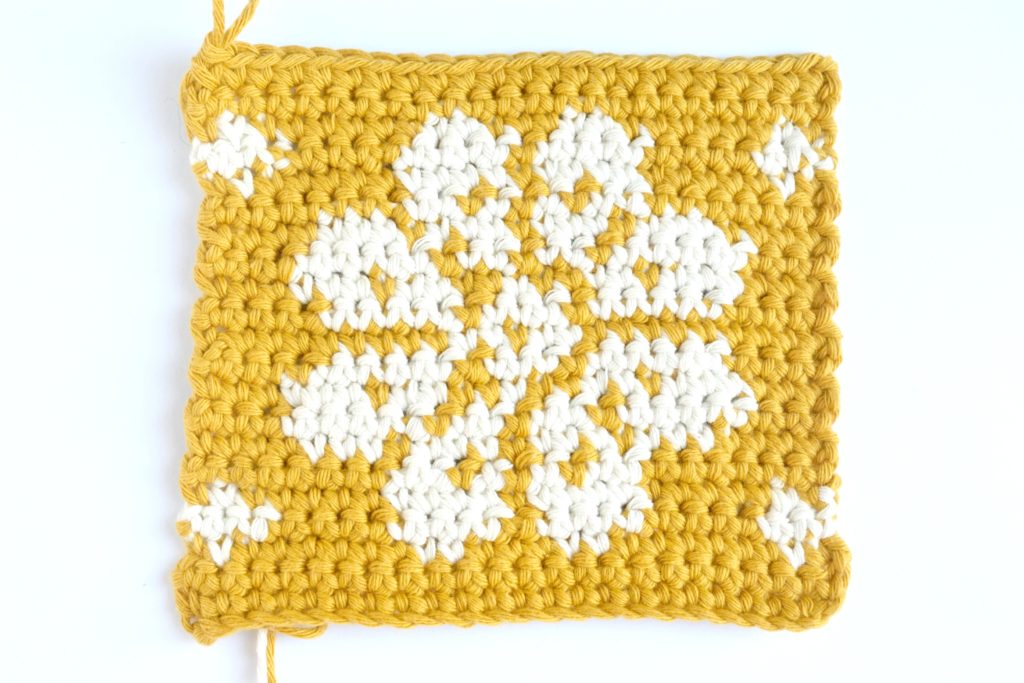
Intarsia Crochet
Color-blocked designs, think a mustard pillow with a flower motif or bold geometric shapes. Each color section gets its own yarn, unused strands just float along the back, no dragging colors across the whole row like in tapestry crochet. Keeps your fabric flat and light. Full tutorial here, video and a free PDF diagram included.
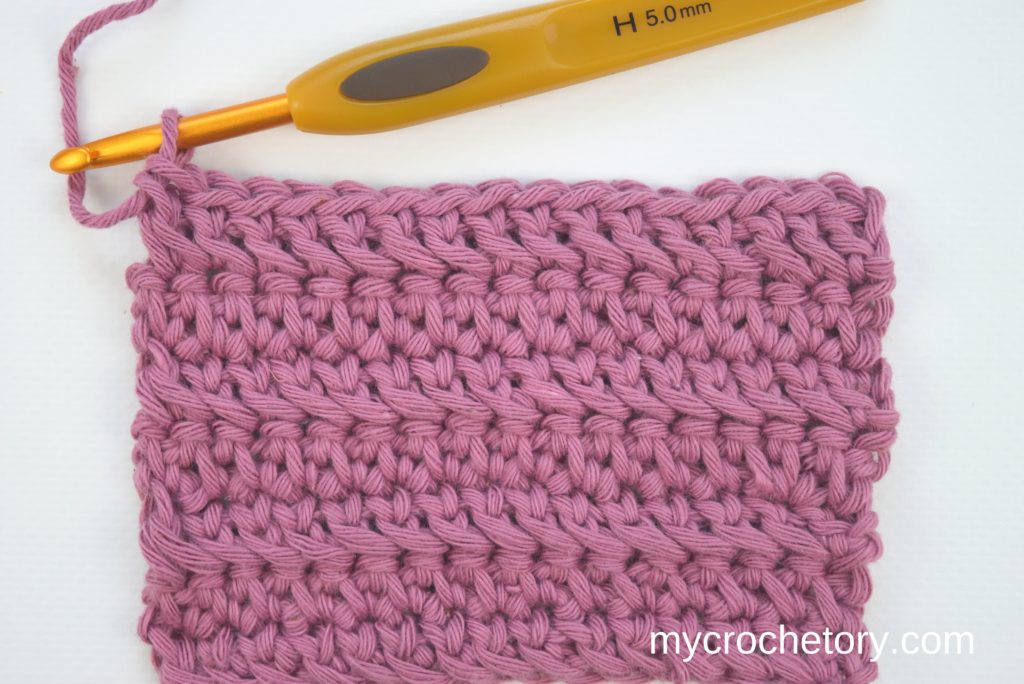
Two‑Row Single Crochet
Want to blow through scarves and blankets way faster? Work two rows of SC at once, no extra turning chains, straighter edges too. Get the scoop here on hooking points, stitch counts, and a mini blanket pattern.
Mosaic Crochet
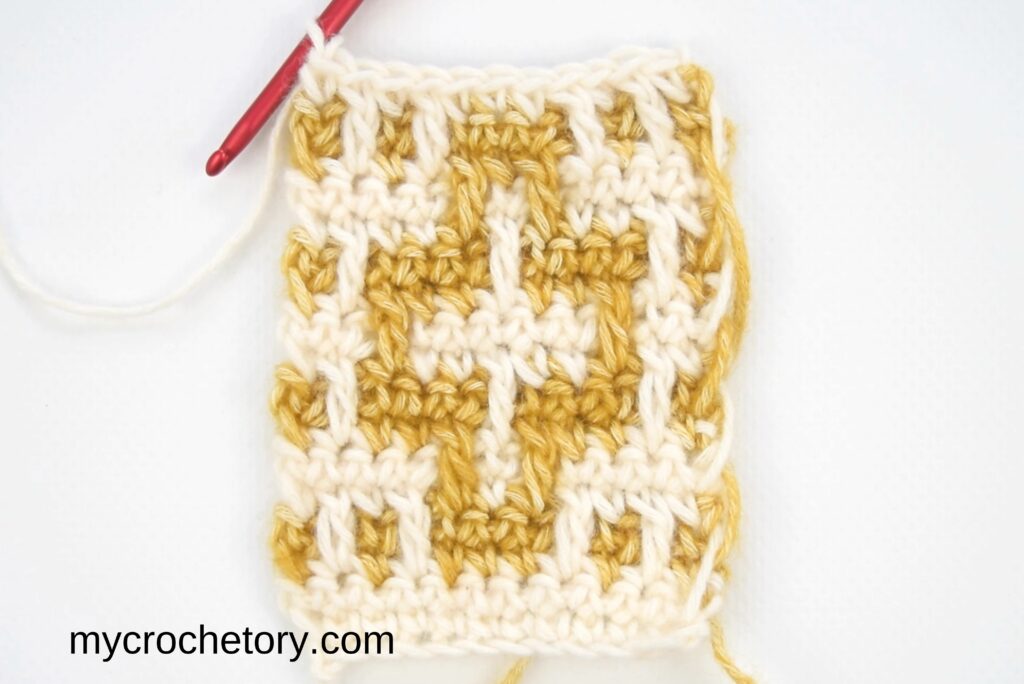
It feels like painting with yarn. Alternate two colors every two rows and you get these stunning geometric designs, much easier than they look. Learn to read charts here, plan your color combos, try the free blanket pattern.
Perfect Circle
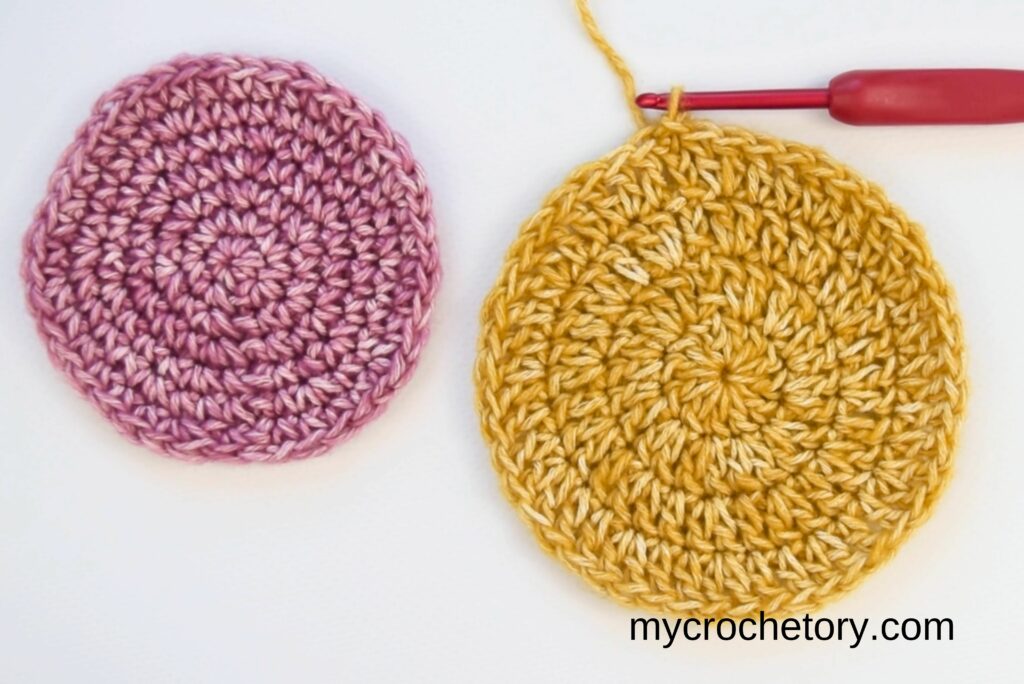
Flat, perfectly round circles, simpler to make than you’d guess. Start with a magic circle or a chain loop, and this tutorial walks you through your increases and closing the center invisibly. Nice for coasters, granny squares, motifs. Full guide here.
Shaping, Edging & Joins
Want your crochet to look like it came from a store? These finishing tricks are basically the secret sauce.
Straight Edges Every Time
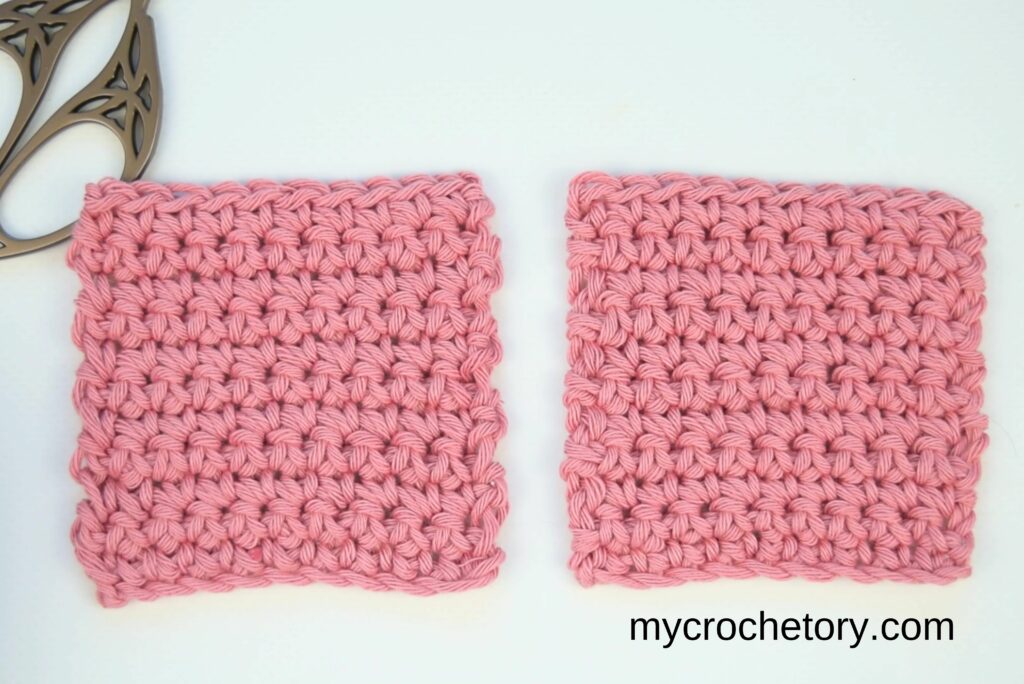
No more wavy borders, ever. It’s really just about your turning chain length and edge stitches. Learn the trick here.
Invisible Decreases
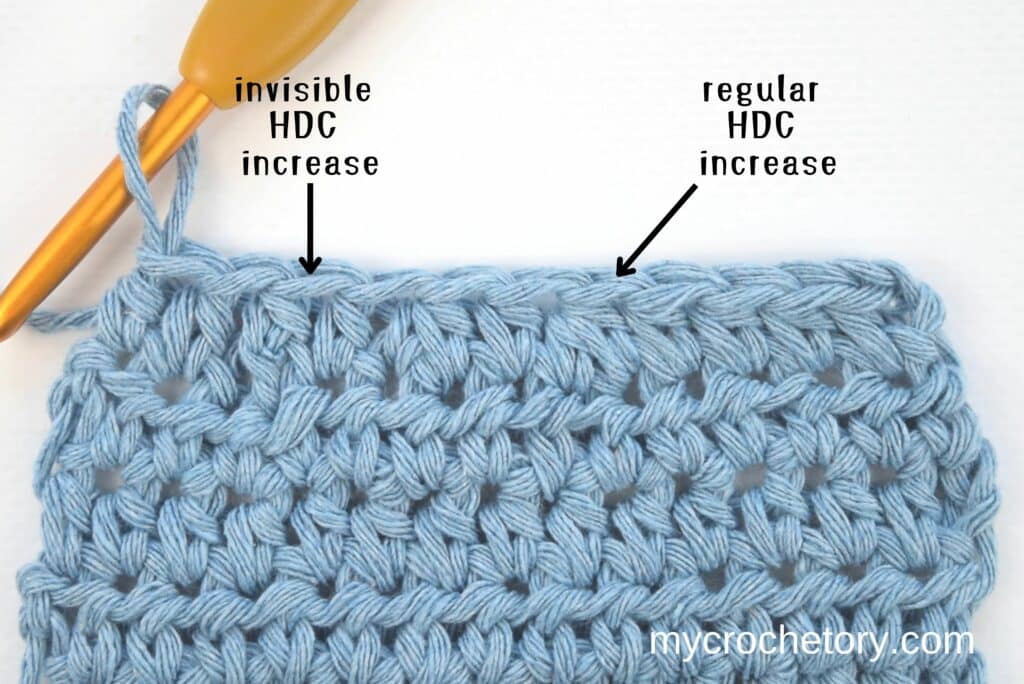
Smooth, gap-free shaping that makes anything look seamless. Works well for hats, sleeves, curves. Master it here.
Hidden Seams with Mattress Stitch
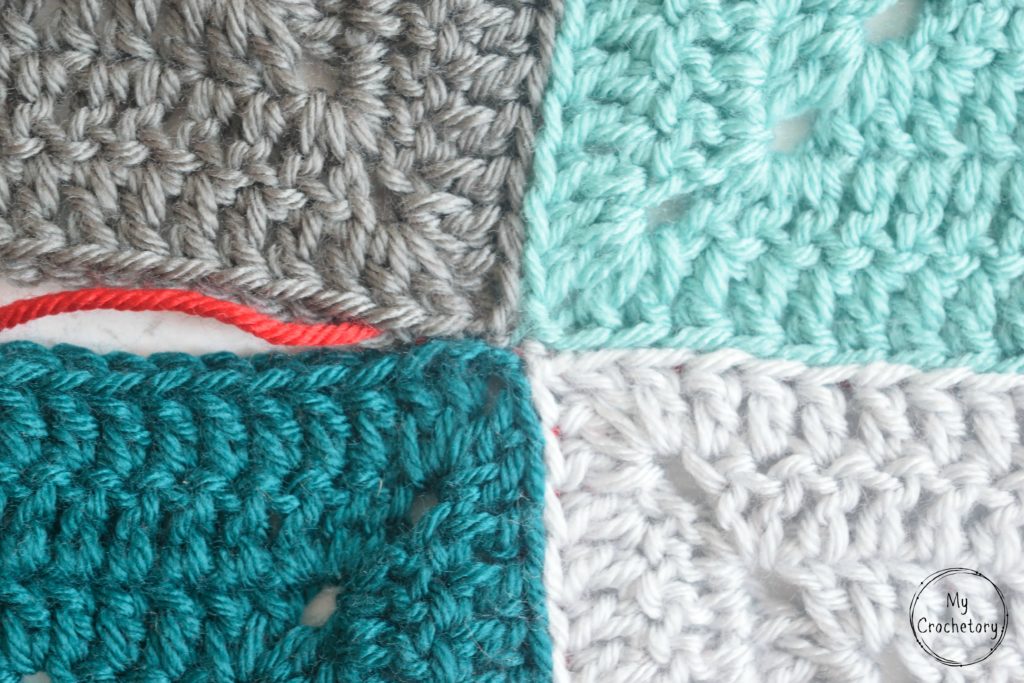
Say goodbye to bulky joins, this one just disappears right into your work for a flat, clean seam. Check it out here.
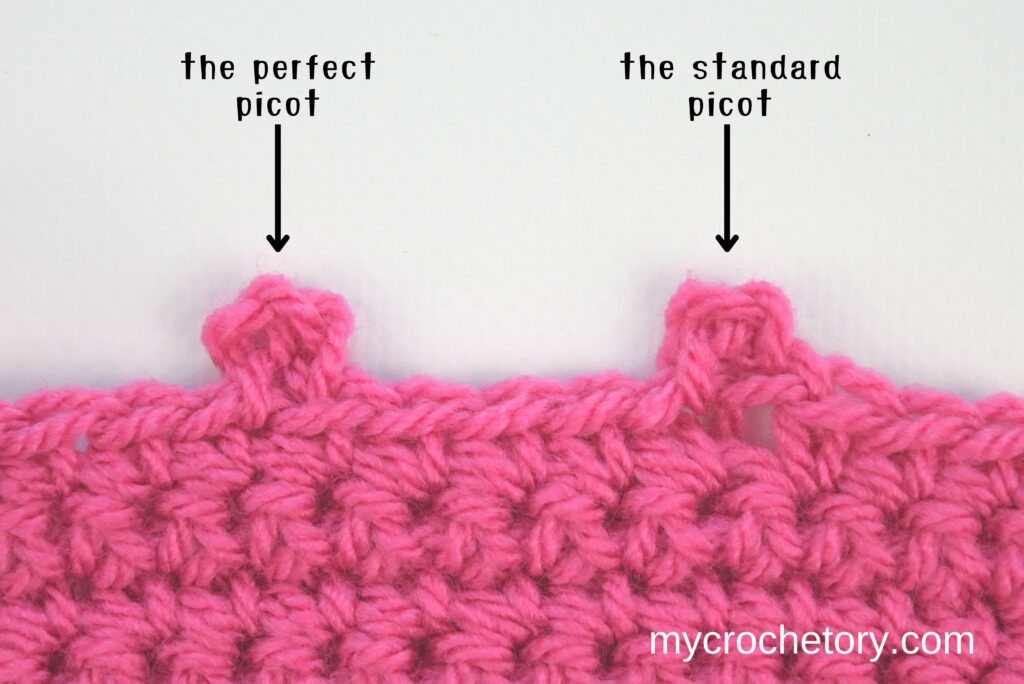
Picot Edging
Tiny loops that look super fancy but crochet up fast. Cute, playful trim for blankets or shawls. Here’s how.
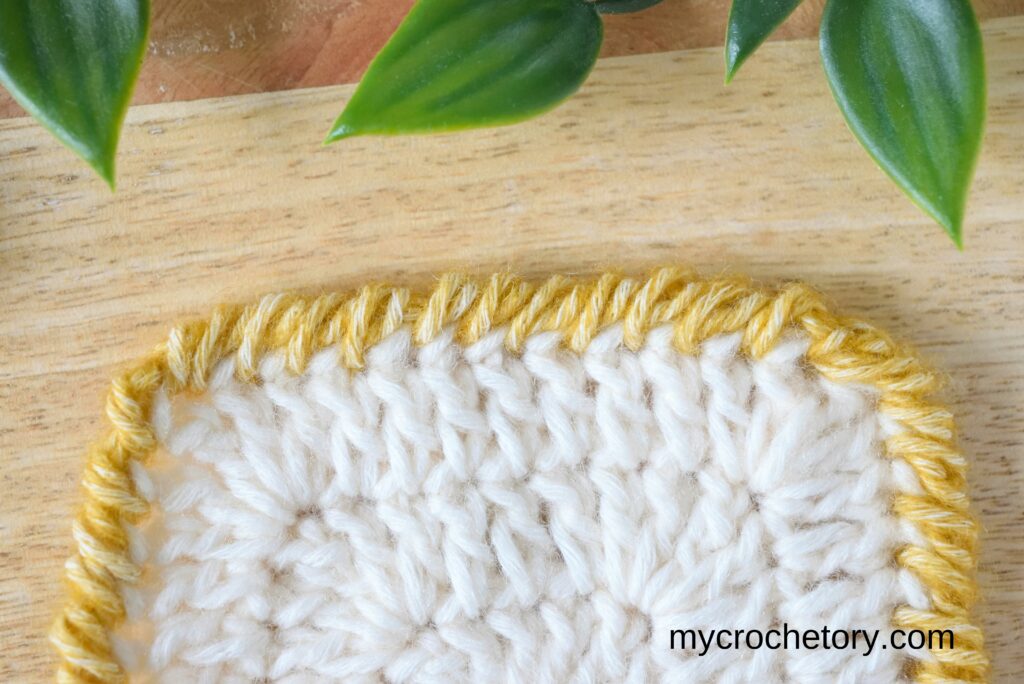
Crab Stitch Edging
Also called reverse single crochet, it wraps your work like a little rope. Strong, stylish, and way less complicated than it sounds. Tutorial’s here.
Project Inspiration
Ready to actually use everything you just learned? This is where it gets exciting.
Scarves & Cowls
- Tonnta Lightweight Scarf: Whip up a breezy, 4‑row wave scarf that’s perfect for spring yarns. Super satisfying and eye-catching! Try it here
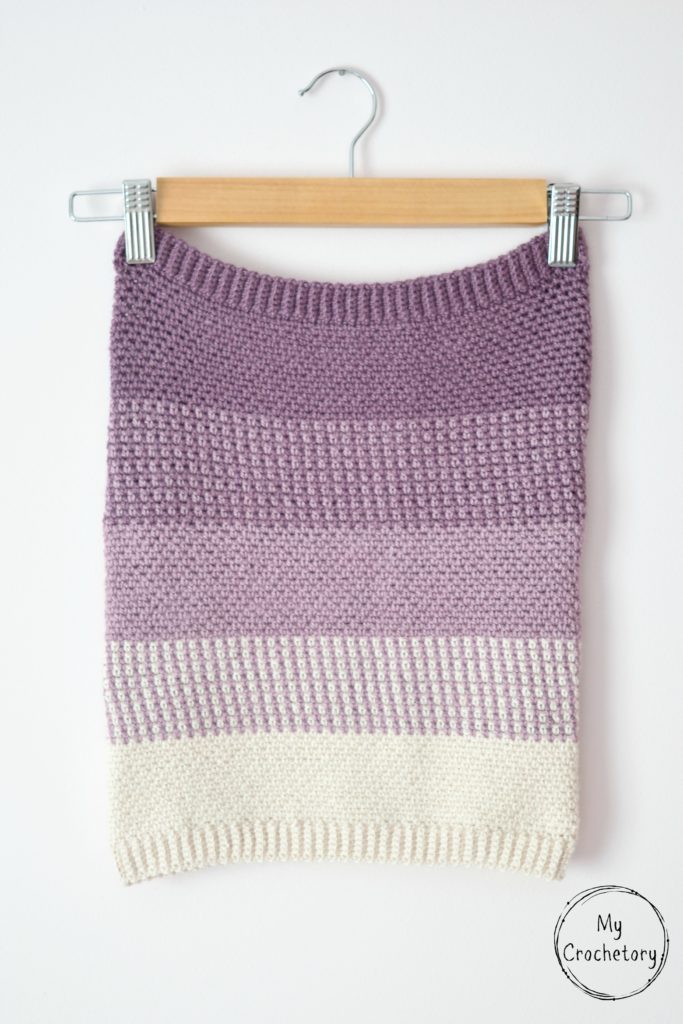
- Ombre Moss Stitch Cowl: Double‑sided moss stitch in gorgeous gradients – modern, reversible, and a great way to practice color changes. Give it a go
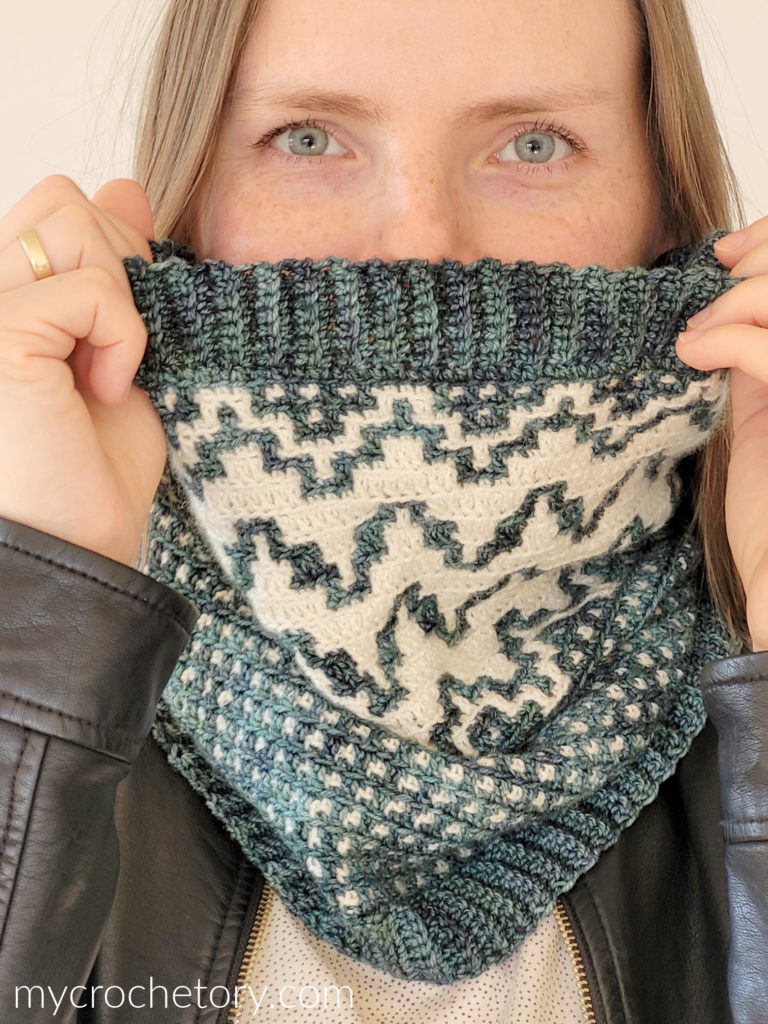
- Namari Mosaic Cowl: Turn leftover scraps into a chic two‑color mosaic cowl. Great for testing your color combo chops. Start mosaic magic
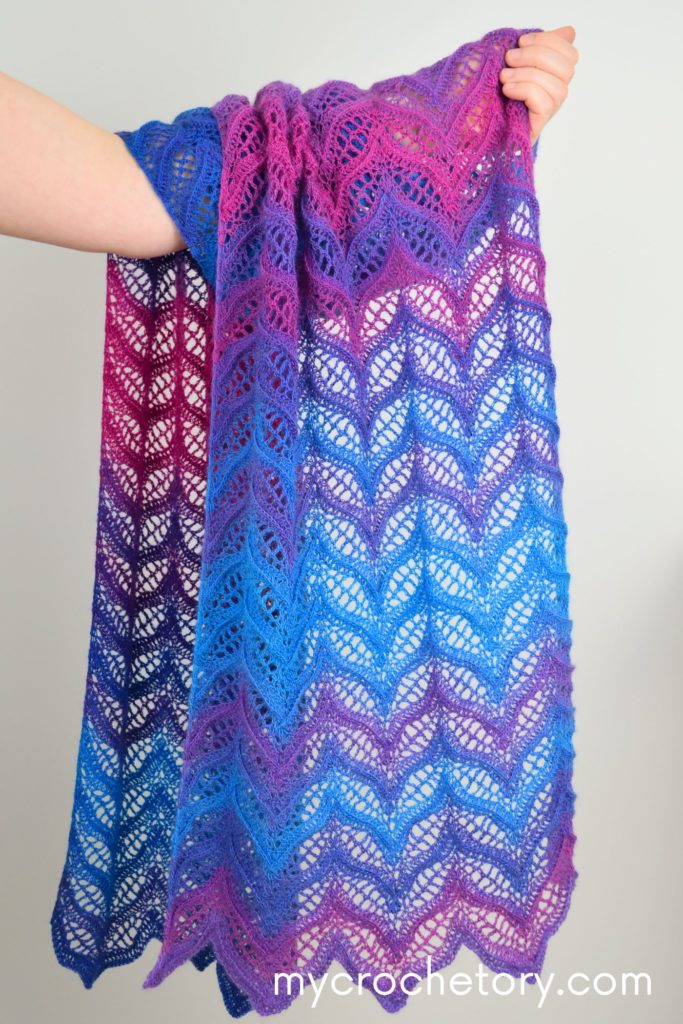
Shawls & Wraps
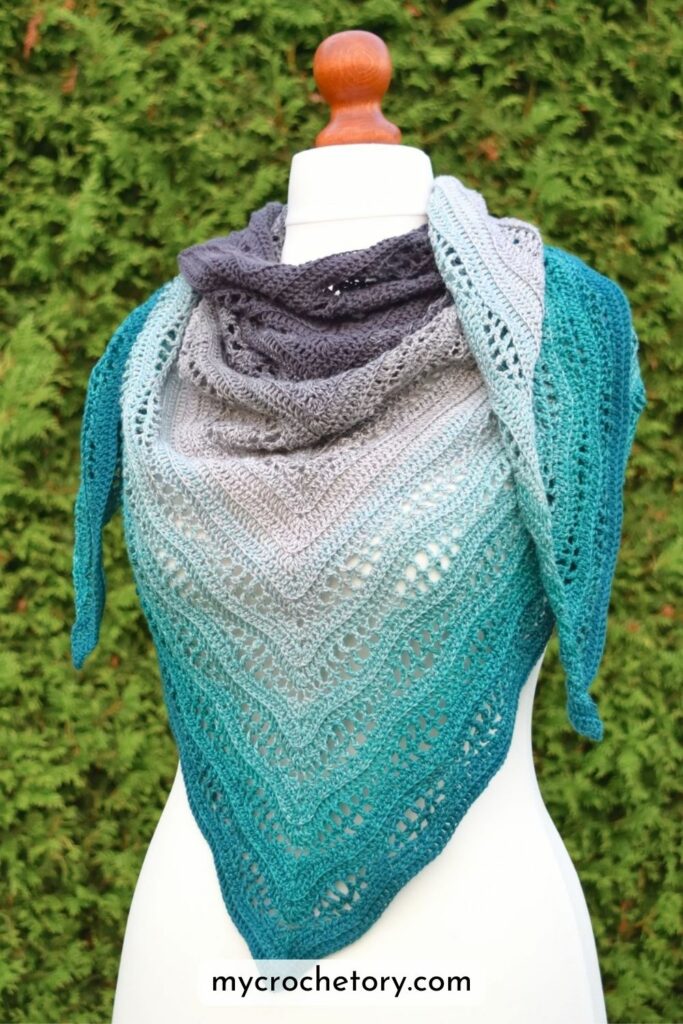
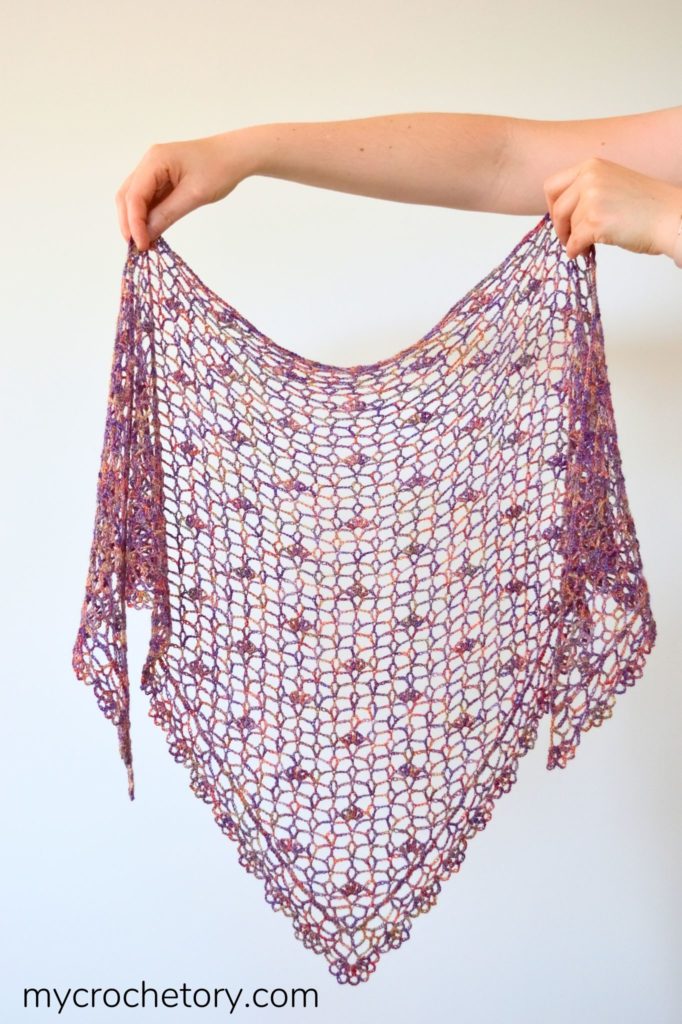
- Kalinda Triangular Shawl: From magic circle (aka magic ring) to block‑worthy shawl, use gradient cakes for seamless color flow and a simple weave repeat. Make Kalinda yours
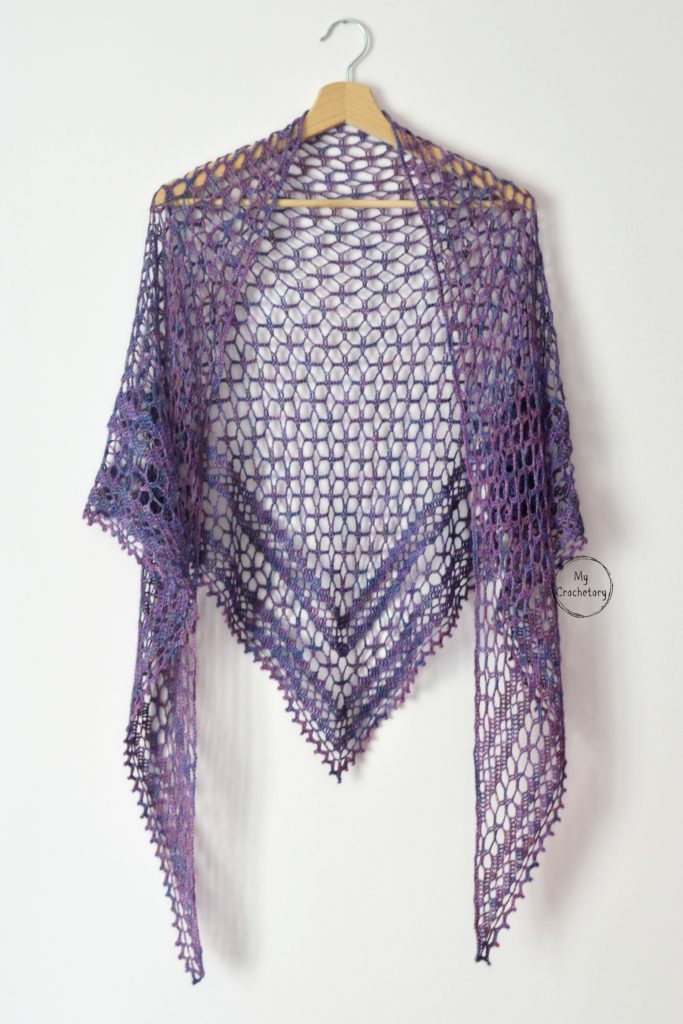
- Nightfall Lace Shawl: Explore a dreamy lace pattern with a simple two‑row repeat and beautiful border – a lightweight treat you’ll love to drape over your shoulders. Learn lace magic
- Greta Lace Triangle Shawl: Charted eyelet motifs open up into a spring meadow of stitches – blocking tips included for that perfect drape. Get Greta’s pattern
Hats
- Duende Mosaic Hat: Bold geometric blocks meet cozy warmth in this beanie – no messy floats, thanks to neat color carries on the wrong side. Crochet your hat
Blankets & Throws
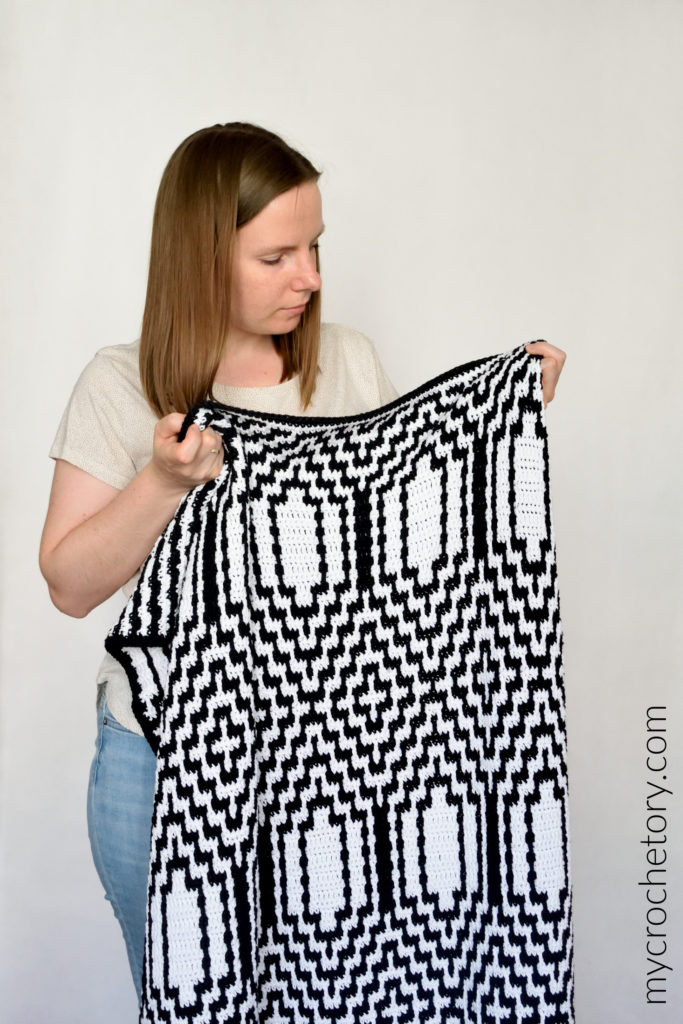
- Thassos Mosaic Blanket: Transform simple rows into stunning mosaics – chart-driven color changes make you feel like a yarn artist. Wrap up in Thassos
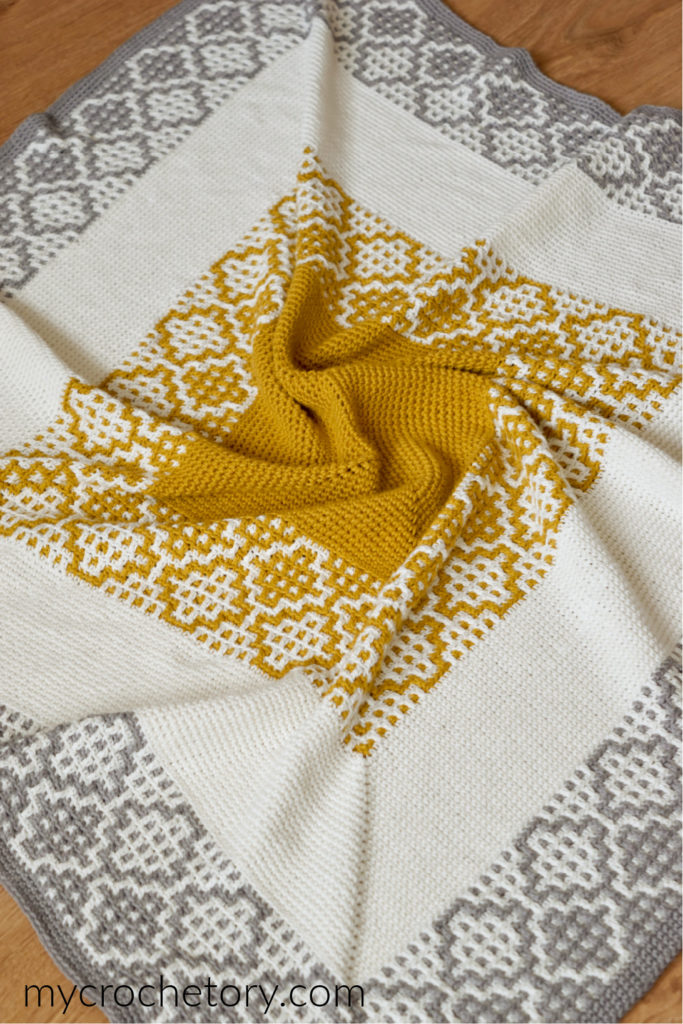
- Carina Rectangle Blanket: Worked from the centre out into a stylish rectangle using easy mosaic chart repeats – endlessly customizable for any color palette. Cozy up with Carina
Bonus Resources
Okay, a couple quick extras before we wrap this up.
Freebie Vault: sign up and get instant access to cheat-sheets, stitch cards, and printable mini-patterns. Basically your own secret stash of crochet goodies.
Pattern Shops & Bundles: want even more? Check out my pattern bundles and extras on Etsy and Ravelry.
FAQ
Don’t forget to save this Pin for easy reference: 📌
How do I get started with crochet? Grab a medium-weight yarn and a 4mm hook, find a comfy spot, and try a simple chain and single crochet. My beginner’s guide walks you through it step by step.
What hook and yarn should I use? A 4mm-5mm hook with worsted (medium) yarn is super forgiving. As you practice, you’ll figure out what combos give you the look and drape you actually love.
How is crochet different from knitting? Crochet uses one hook and works stitch by stitch, so mistakes are easy to fix and patterns build up fast. Knitting uses two needles and can make finer fabrics, but crochet is usually quicker to pick up.
How do I read a crochet pattern? Patterns use abbreviations (SC for single crochet, stuff like that) plus stitch counts per row or round. Match the abbreviations first, then count as you go. My stitch glossary can help decode anything confusing.
How do I fix a mistake mid-project? It happens to absolutely everyone. Pull back to the last good stitch, insert your hook, keep going. Tangled ends or messed-up floats? My tutorials on invisible joins and magic knots have your back.
How long does a project take? Depends on size and how complex it is. Simple scarves or coasters, an hour or two. Blankets and shawls, maybe a few weekends. No rush, just enjoy it.
Why do my edges look wavy or uneven? Usually your turning chain or tension just needs a tweak. My straight-edges tutorial will get you crisp, clean lines fast.
Where can I find more free patterns? Head over to my free patterns archive for hundreds of no-cost designs, accessories to home decor. Go find your next project.
I’d really love to see what you’re making. Drop a comment below, ask a question, share a tip, or just say hi, I read every single one.
Found this helpful? Share it with a crochet friend, or save the pin so you can find your way back anytime.
Want more tutorials, patterns, and tips straight to your inbox? Subscribe to the newsletter, no spam, just good stuff.
Happy crocheting, and may your yarn always stay tangle-free. Come hang out in my Facebook Group or Ravelry Group if you’ve got questions or want to show off what you made. You can also find me on Instagram, Facebook, and Pinterest.
Leave a Reply