Updated: 9 July 2026 by Sylwia (MyCrochetory)
There’s something really satisfying about seeing a crochet project look truly finished. It’s more than just getting to the end; it’s about making sure everything looks neat and complete. That last edge is more important than most people think, because it changes how the whole piece sits, looks, and feels in your hands.
That doesn’t mean every project needs a dramatic border with lots of texture, color changes, or fancy stitches. I love those too, since they can be beautiful and really eye-catching. But sometimes the best finish is much simpler. A neat single crochet round, a soft shell edge, or even a delicate picot border can be enough to make everything feel complete.
That’s why I put together these easy crochet border patterns. Some are simple, some are decorative, some are fun, and some are perfect when you just want a neat finish that doesn’t distract from the main project. In this post, you’ll find border ideas for blankets, baby items, throws, scarves, and other crochet pieces that need that final touch.
Why the Last Edge Really Matters
The edge gives your project its final shape. Even with my favorite yarn and stitches, a messy edge can make the whole piece look off. The last border brings everything together and makes it look finished.
To me, a border is part of the whole design, not just an afterthought. It frames the stitches, balances the look, and gives your project a neat outline. On blankets and scarves, that outer line is often the first thing I notice.
A border can really change how the whole piece feels. A ribbed edge looks neat and modern. A shell border feels softer. A picot edge adds a little decoration without taking over. Even a small border can make a big difference.e more confident, you can try more complex stitches and even create your own edging patterns.
How to Choose the Right Crochet Border for Your Project
When I choose a border, I think about the whole project, not just the fanciest option. Yarn, stitches, colors, and style all matter. The border should fit naturally, not feel like something added just to finish it off.
If my project already has a lot happening, like texture, lace, or color changes, I usually keep the edge simple. A neat round of single crochet, a thin moss stitch, or a small picot works well. Too much at the edge can make it look messy.
If the project is plain, I like to have fun with the border. Shells, bobbles, puffs, ribbing, or scallops add interest when the main part is simple. Before I start, I check how much yarn I have left, if the project feels heavy, and whether I want the border to stand out or stay subtle.
What to Check Before You Add a Border
Before adding a border, I think about what the project can handle. Some edges need to stay simple, while others can have more texture or decoration. I’ve learned it’s easy to be attracted to a pretty border photo and then realize halfway through it doesn’t fit this project.
First, I check how much yarn is left. If the yarn ball is small, I stick with a narrow single crochet, crab stitch, or small picot. If there’s plenty, I can choose shells, ribbing, puffs, or a wider border without worrying about running out before finishing.
Then I look at the style. A light baby blanket usually needs a soft border. A plain throw can handle more texture. A lacy scarf often looks better with a gentle, delicate edge instead of something heavy. I want the border to fit the project, not take all the attention.
Before you add the border, you may also like my tutorial on how to keep crochet edges straight.
Best Easy Crochet Borders by Project Type
Some borders are beautiful, but they don’t fit every project. A border that looks great on a thick blanket might feel too heavy on a soft baby blanket. A small picot can get lost on a big, textured throw.
For blankets, I like borders that give a clear frame. Single crochet, moss stitch, ribbing, shells, and simple textures all work well. They add enough shape without making the blanket feel too much.
For baby blankets, I keep the finish soft and comfortable. Smooth borders, gentle shells, and simple rounds work better than long loops or open edges. For scarves and shawls, I pick borders that move with the fabric. A delicate picot, small scallop, or light lace edge finishes the piece without making it stiff.
When I use leftover yarn, I keep it simple. A one-row border, crab stitch, picot edge, or thin scallop still looks nice, and I don’t have to worry about running out of yarn halfway.
List of 40+ Easy Crochet Border Patterns
Choosing a border is easier when you know how you want your project to end. Some need a clean frame, others need a bit of texture. Sometimes, a small decorative edge is enough to make it feel finished without changing the whole project.
Below you will find easy crochet border patterns for blankets, baby projects, scarves, shawls, and other handmade items. Some are simple and quick, like single crochet, crab stitch, or picot borders. Others add more detail with shells, puff stitches, bobbles, ribbing, fringe, or lace.
As you look through these ideas, think about the project you’re working on. The border should match the yarn, stitches, and overall feel of your work. The fanciest border isn’t always the best. Sometimes a simple edge works better.
The Crochet Crab Stitch Border
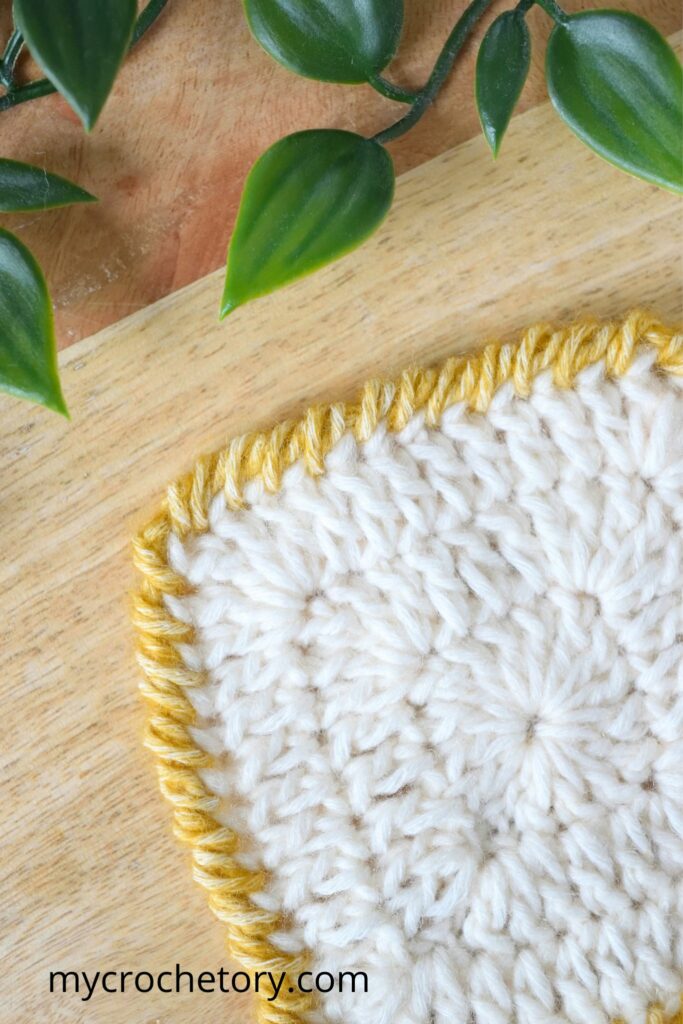
The crab stitch border is one I use when I want the project to look finished but not busy. Its twisted, cord-like texture gives the edge a clean snap. I use it on blankets, washcloths, or simple scarves where the main fabric already has enough detail. It feels neat, confident, and a bit playful.
Camel Stitch Blanket Border
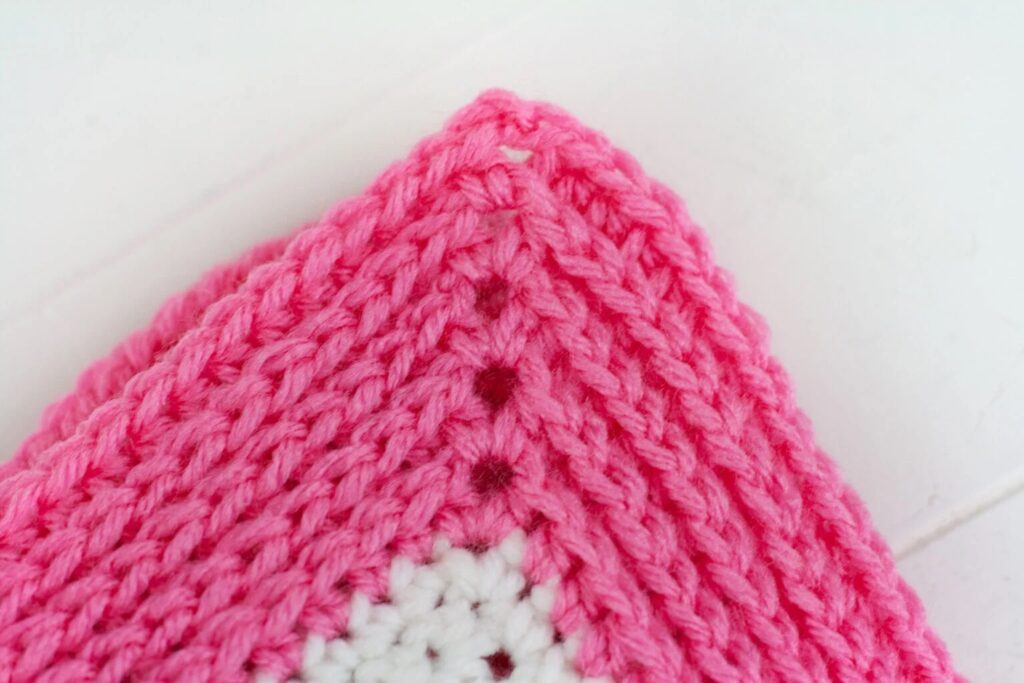
The camel stitch border has a gentle texture I really like. The soft raised line almost looks knitted and gives the edge a neat finish. I use it when I want some texture but don’t want the border to stand out too much. It’s a good fit for simple throws or baby blankets that need a cozy frame.
Single Crochet Border Edge
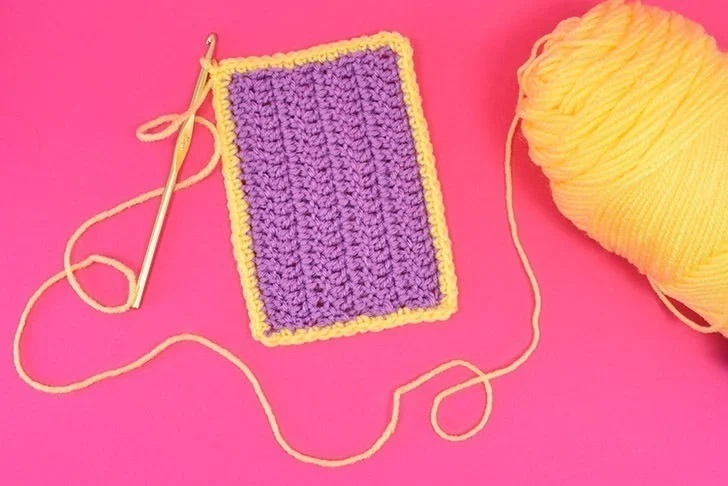
A single crochet border is simple, but never boring. It’s the one I trust when a project needs a clean, neat edge. Sometimes that’s all it takes to make a blanket or scarf feel finished. If you want an edge that looks neat and calm, this is a good choice.
Moss Stitch Border
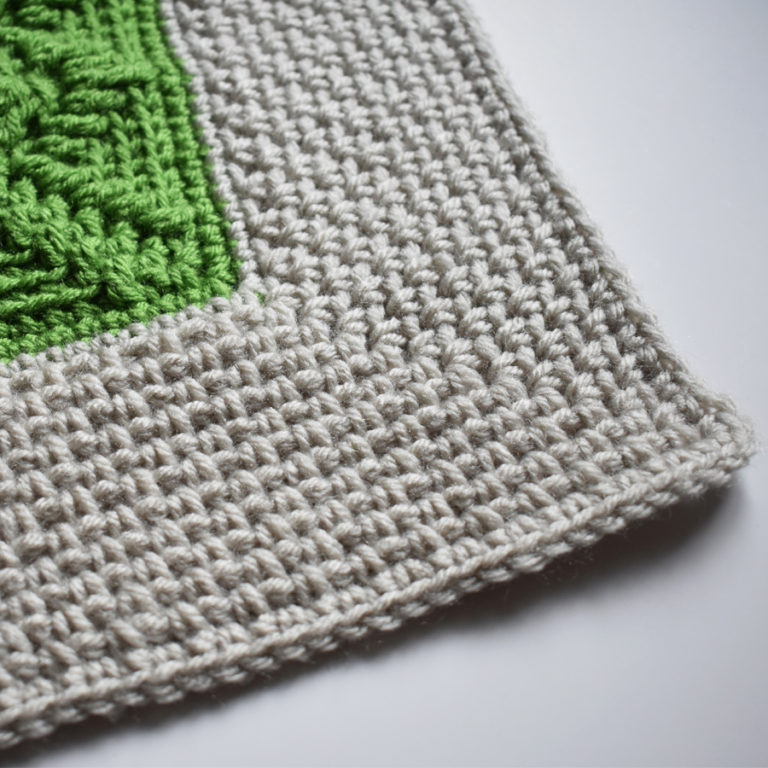
The moss stitch border has a soft, even look I like on blankets. It adds texture gently, so the edge doesn’t feel heavy or stiff. This border is great for someone who wants a border that looks careful without trying too hard. I’d use it when the project needs a relaxed finish with more charm than plain single crochet.
The Double Crochet Post Ribbing Border
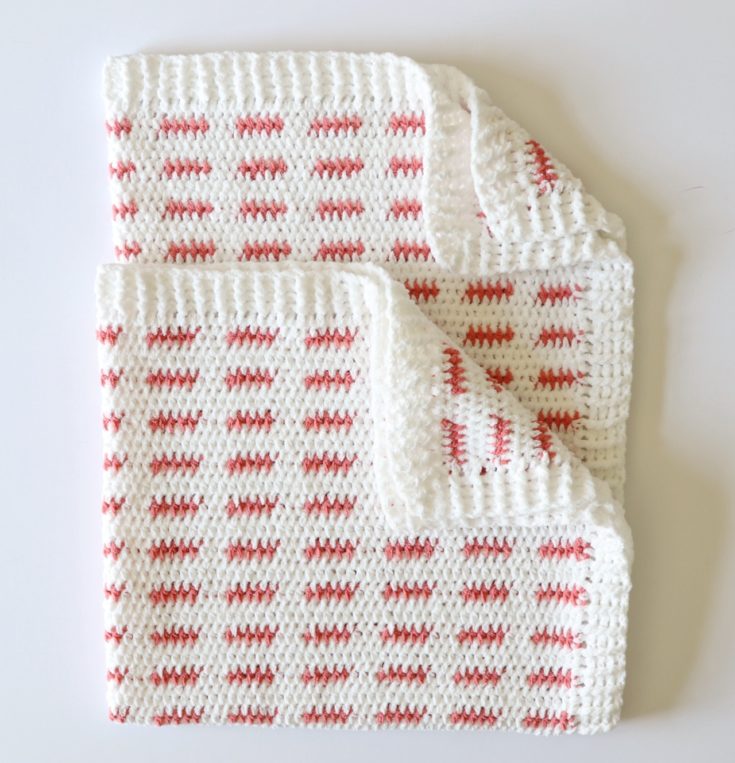
This ribbed border is a good choice when the edge needs to stand out more. The raised post stitches give the project a cozy, shaped finish, which works well on blankets that feel too soft around the edges. I recommend it for someone who likes a border that looks warm, neat, and solid. It feels like a finished blanket on the couch.
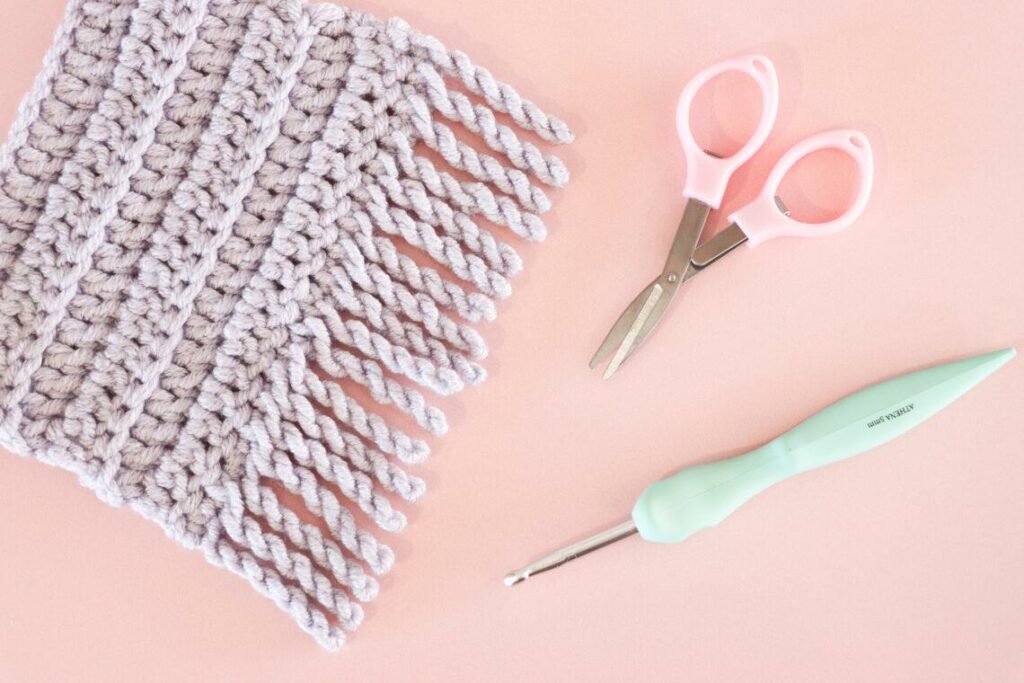
Modern Crochet Fringe Border with a Twist
This twisted fringe border is for projects that need a bit of character at the edge. It feels more relaxed than a stitched border and gives the piece some movement, which is nice on scarves, wraps, and casual blankets.
I would choose it when a clean border feels too serious. It adds fun without making the project look childish.
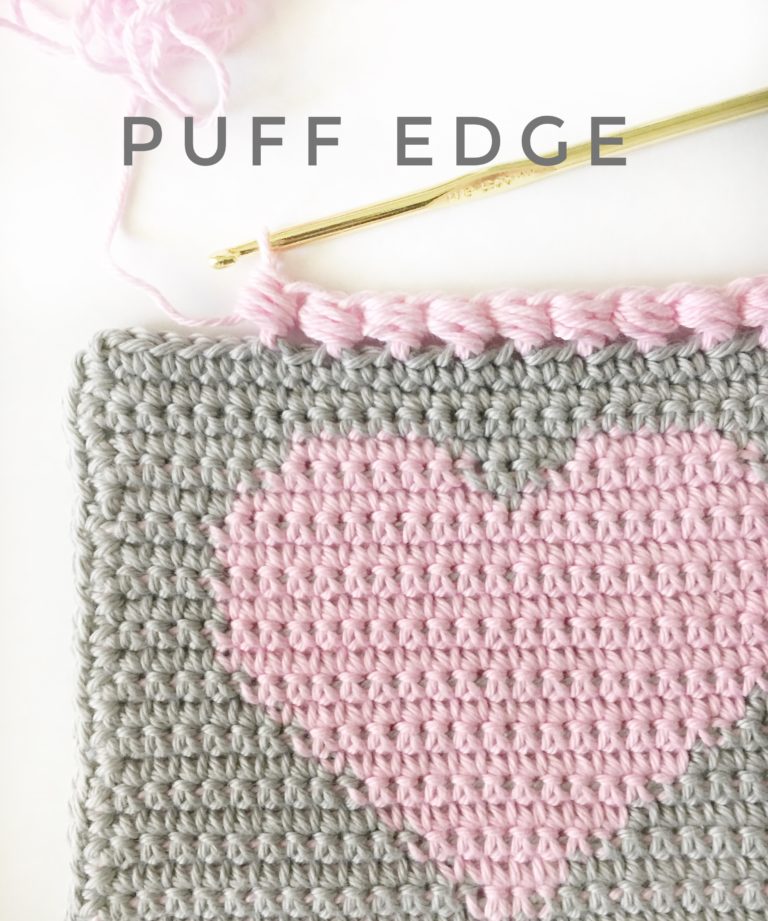
The Crochet Puff Edge
The puff edge gives a sweet finish, especially when a project feels plain. The soft puffs add texture but keep things gentle. This border is great for baby blankets, cozy gifts, or anything that needs a softer, more touchable edge. It’s cute without being too strong.
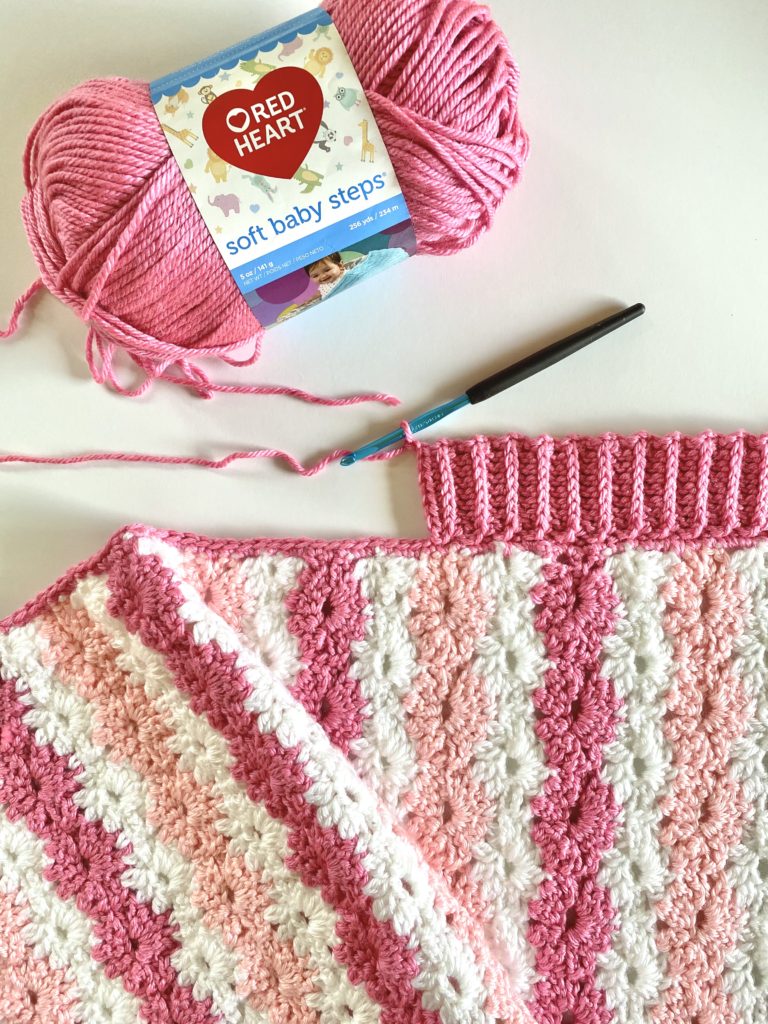
The Crochet Front Bottom Loop Half Double Crochet Border
This border is good for anyone wanting something simple but different from the usual edge. The stitch placement gives a clean, raised texture that feels careful. It’s great for blankets where a plain round feels too basic, but a big decorative border is too much. The finish is neat and modern without being dramatic.
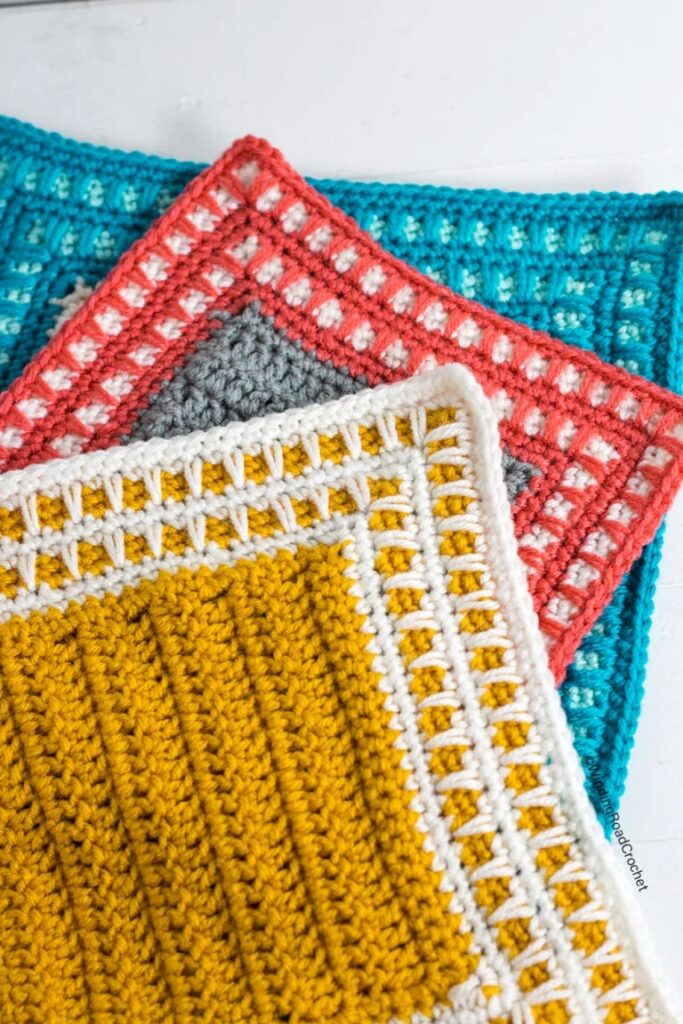
The Spike Stitch Crochet Edging
The spike stitch edging is great when the edge needs a stronger visual line. The longer stitches add contrast and bold detail, which can brighten up a simple blanket. I use this when the project needs more energy around the outside. It’s especially fun with color, as the border gets to stand out.
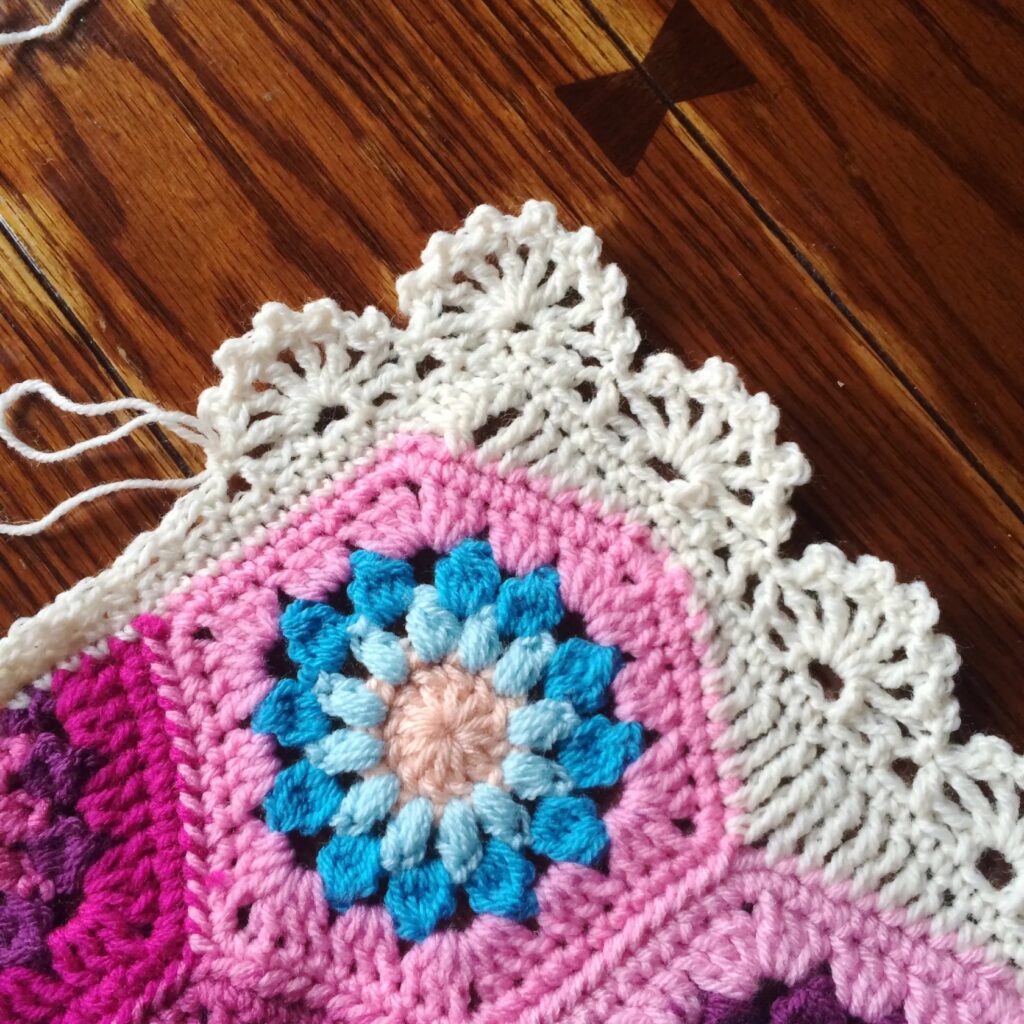
The Treble Scallop Edging
The treble scallop edging gives a project a pretty rounded finish that feels special. I like this border for blankets, shawls, and smaller pieces where the edge can be decorative without feeling too heavy. It’s a good choice for someone who wants a softer, prettier finish but still wants the project to be practical. The scallops add charm without taking over the piece.
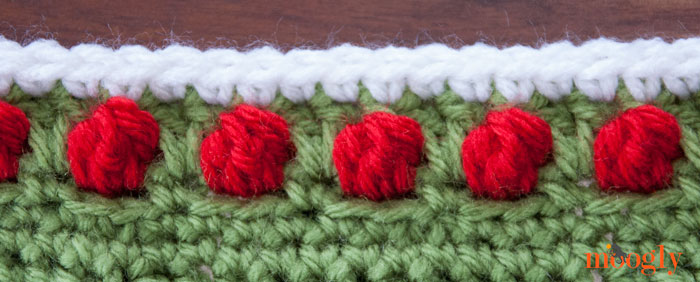
Polka Dot Border
The polka dot border is a fun finish for a project that needs more character. The small raised dots make the edge playful without making the whole piece too busy. I use it on baby blankets, colorful throws, or gift projects where a plain border feels too serious. It’s a sweet choice for someone who wants the edge to feel cheerful and handmade.
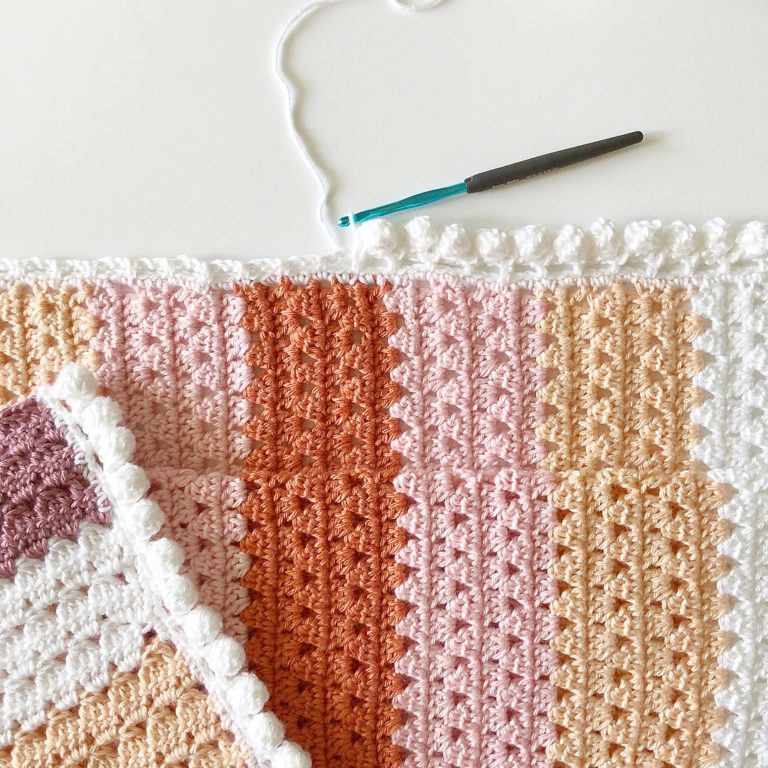
The Crochet Pom Pom Border
The pom pom border brings instant joy to any project. Its bouncy, playful look makes a blanket feel more fun right away. This border stands out, making it perfect for baby blankets, kids’ throws, or cozy gifts. It’s not a quiet choice, but that’s what makes it unique.
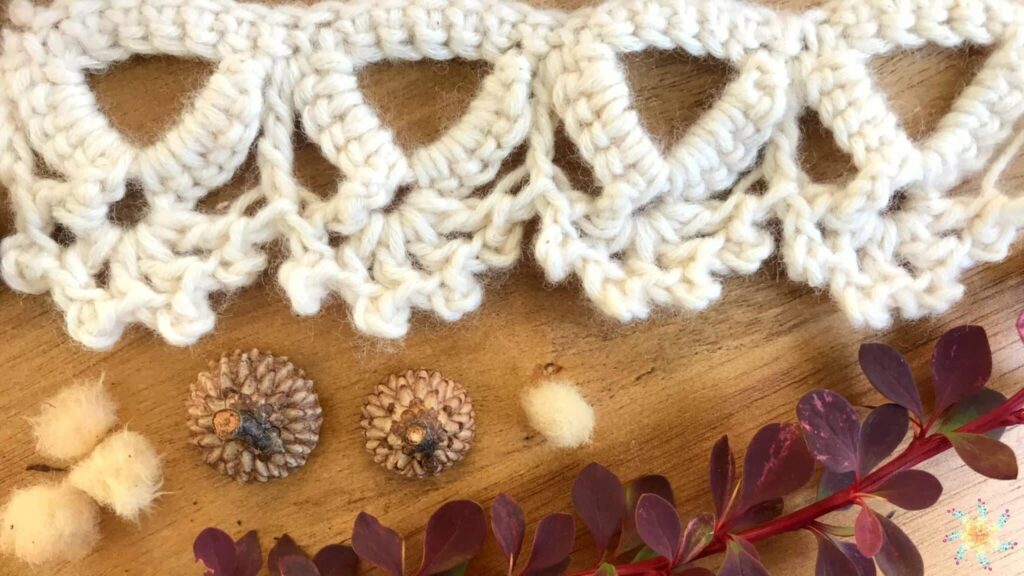
The Coronet Lace Trim
The Coronet Lace Trim has a delicate look without feeling too precious. It’s a great choice for anyone wanting a border that’s more elegant but still uses easy stitches. I can see it working well on table runners, light blankets, scarves, or boho-style projects. This trim gives the edge a softer, more dressed-up finish.
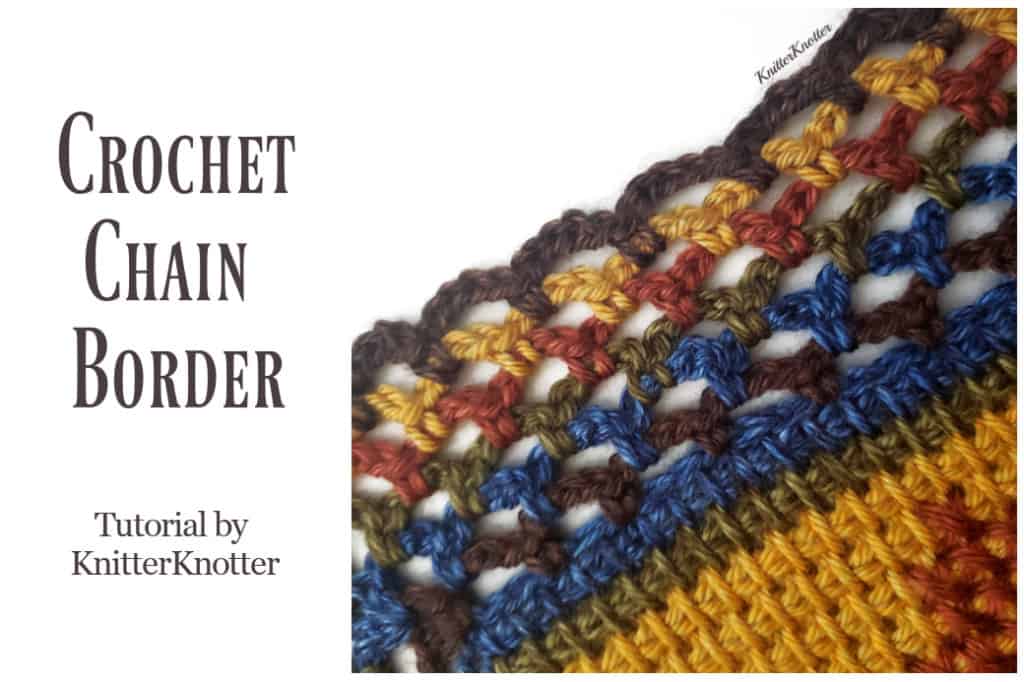
Crochet Chain Border
The crochet chain border shows that a border doesn’t need much to look pretty. This edge has a light, open feel and uses easy stitches, which is great when a project needs a border that won’t weigh it down. It’s simple, airy, and lets the main fabric stand out.
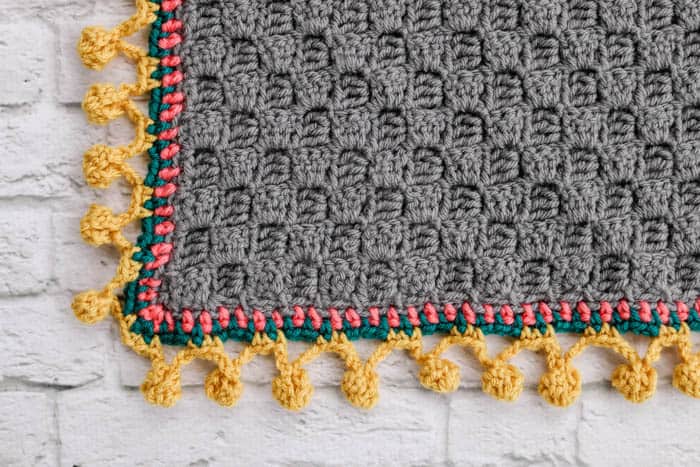
The Bobble Stitch Border
The bobble stitch border is perfect when a flat edge feels too plain. The little bobbles add texture, color, and a bit of attitude. It’s playful but still practical, great for brightening up simple blankets or fun gift projects.
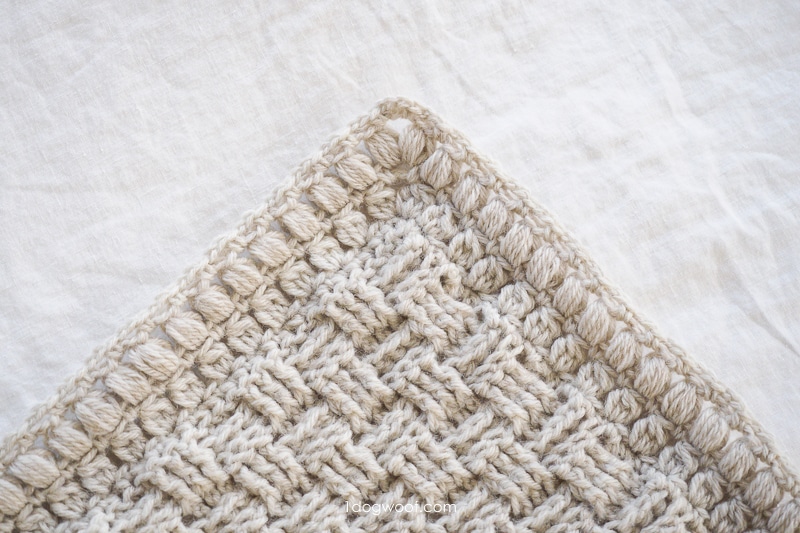
Puff and Cluster Crochet Border
The puff and cluster border adds textured detail that makes a simple project feel richer. It’s a great option for anyone wanting the edge to have softness, weight, and more interest. It works well on blankets that look too plain with just a narrow border. This cozy finish stands out without being overwhelming.
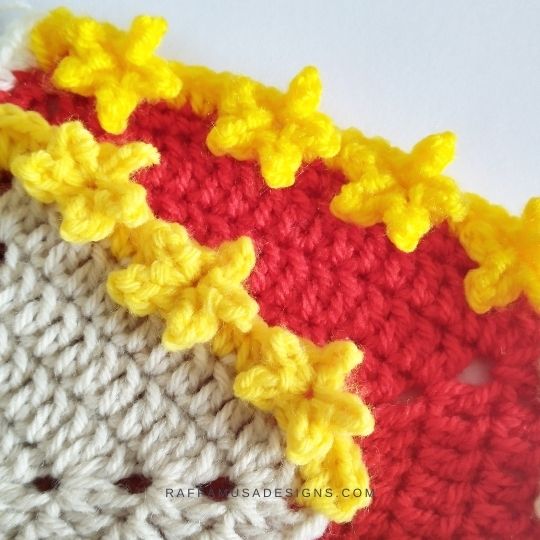
Little Star Border
The little star border is adorable but still feels thoughtful. It’s a lovely choice for baby blankets, themed projects, or handmade gifts that need a sweet detail around the edge. I’d use it when the project can handle a bit of charm and doesn’t need to be too serious. The tiny stars make the border feel special without taking over.

Crochet Candy Cane Border
The candy cane border is a cute idea for holiday crochet projects. It gives the edge a striped, festive look without needing a complicated finish. I’d use it on Christmas blankets, gift bags, placemats, or small seasonal projects. It’s great for someone who wants the border to look festive without adding too much extra work.
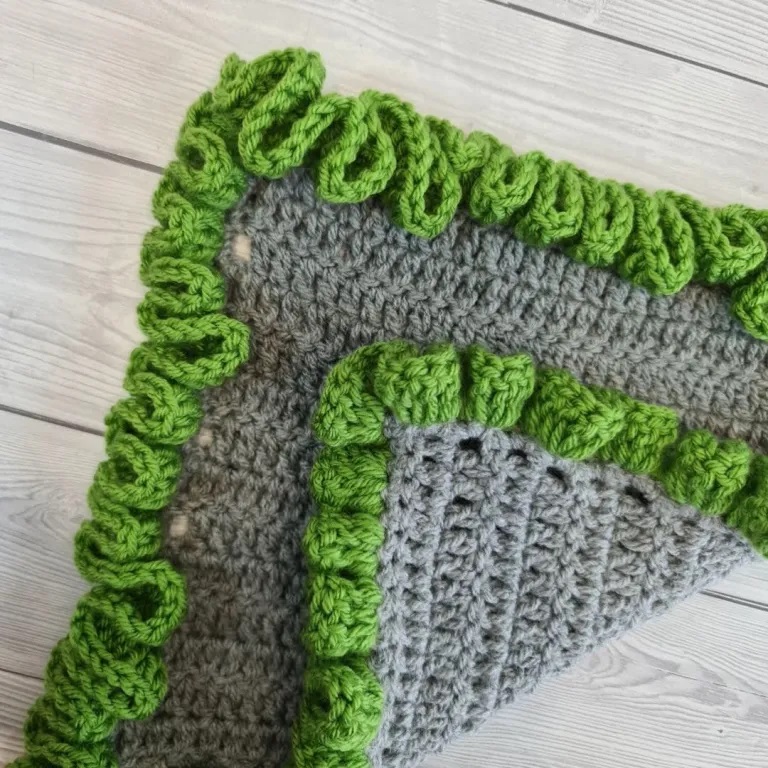
Ruffled Edge Blanket Border
A ruffled edge is great when you want the border to feel soft, full, and a bit romantic. It adds movement around the project, which can be beautiful on blankets, shawls, or scarves. I’d use it when a straight edge feels too plain and the project needs more shape. It has a pretty finish, but it needs the right project so it doesn’t feel too bulky.
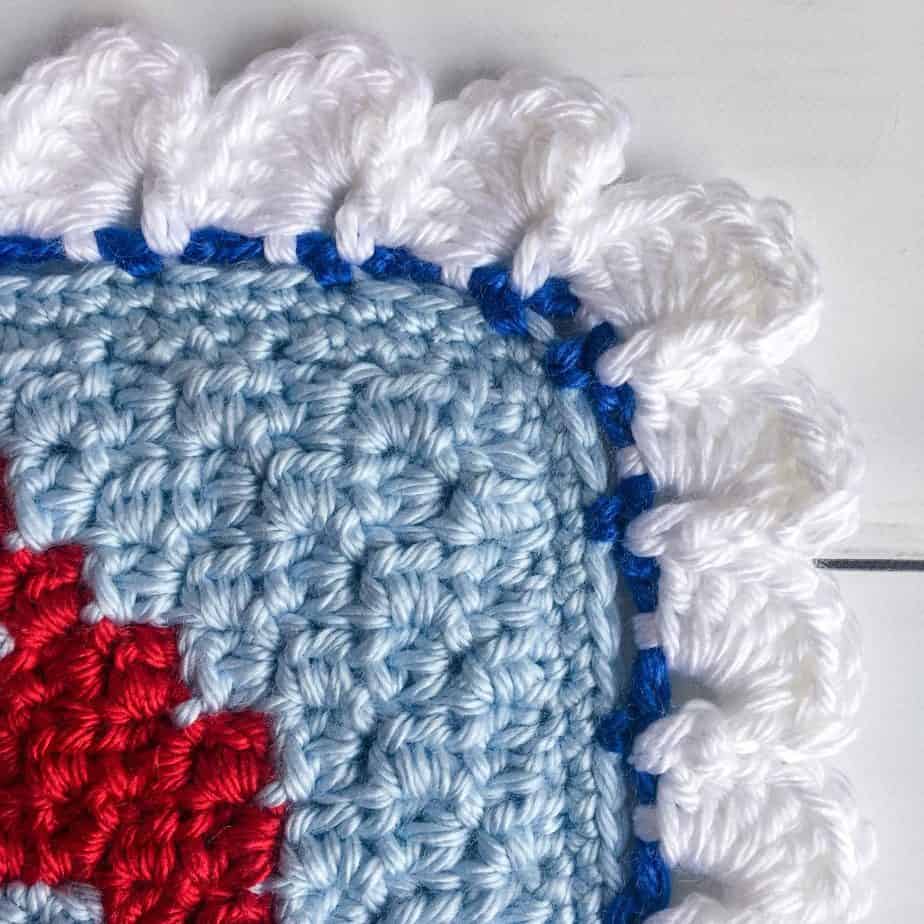
Curling Waves Crochet Border
The curling waves border has a gentle, wavy look that makes an edge feel more relaxed. It’s a nice choice for baby blankets, beachy projects, or simple throws that need a softer outline. I pick this when the project feels too square or stiff and needs some movement. The shape adds interest without making the border feel heavy.
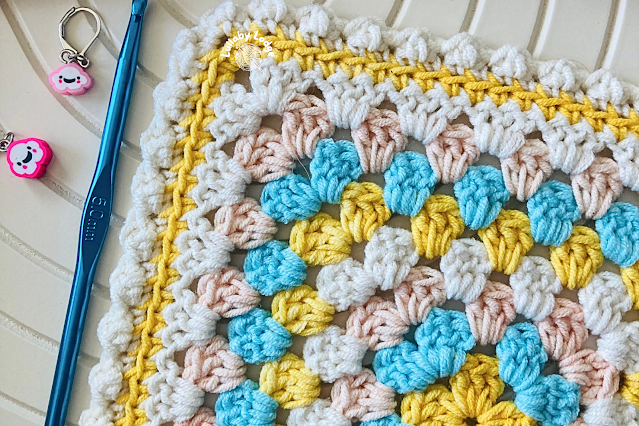
Crochet Bobble Border Pattern
The crochet bobble border is great when a project needs some texture around the edge but not a dramatic finish. The small bobbles add a fun raised detail that works well on blankets, scarves, and cozy handmade gifts. I pick this for someone who wants the border to feel playful but still easy to use every day.
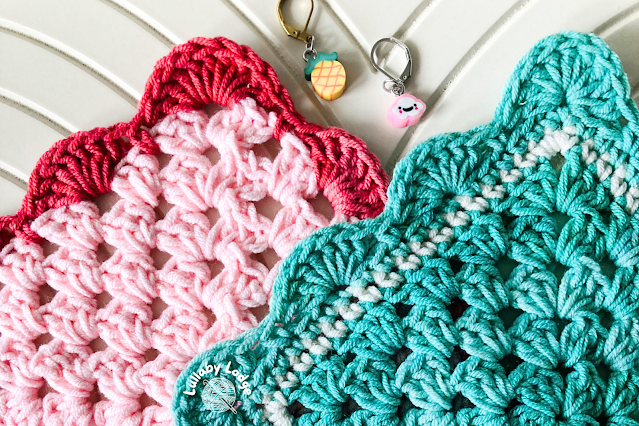
Crochet Shell Border
A shell border always feels pretty without being fussy. The scalloped shape gives blankets and shawls a softer edge, which is nice when the main project feels plain. It’s a good pick for someone who wants a sweet, classic border that’s still easy to use.
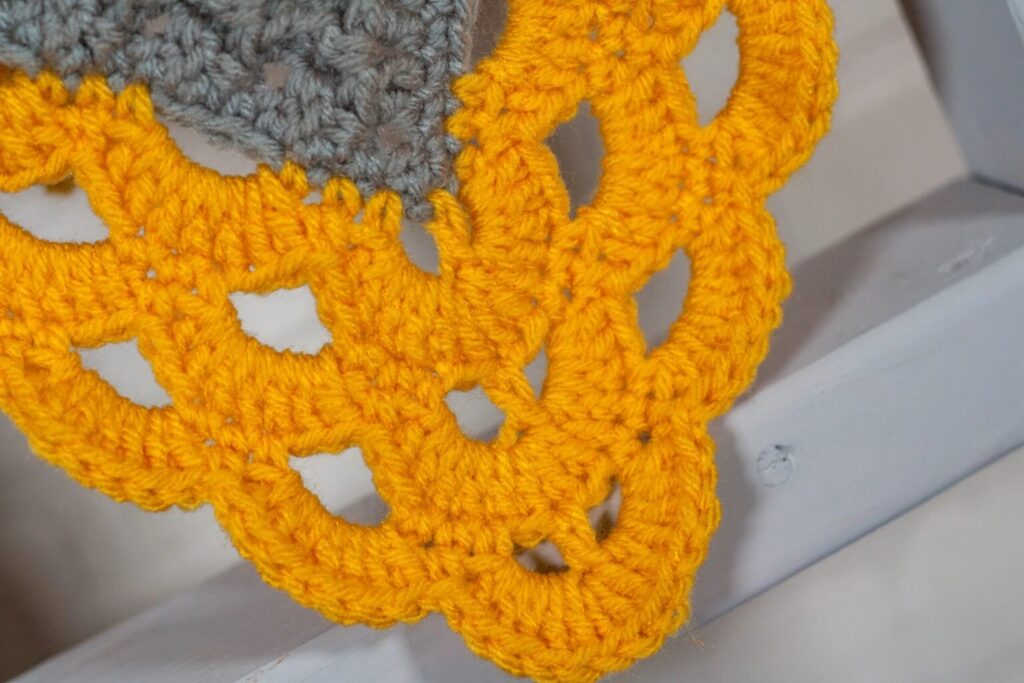
Arcade Crochet Blanket Border
The arcade border is for projects that can handle a more decorative edge. The arches give the blanket a stronger frame, making the border part of the design instead of just a small finish. I use it when a simple edge feels too quiet and the project needs more presence.
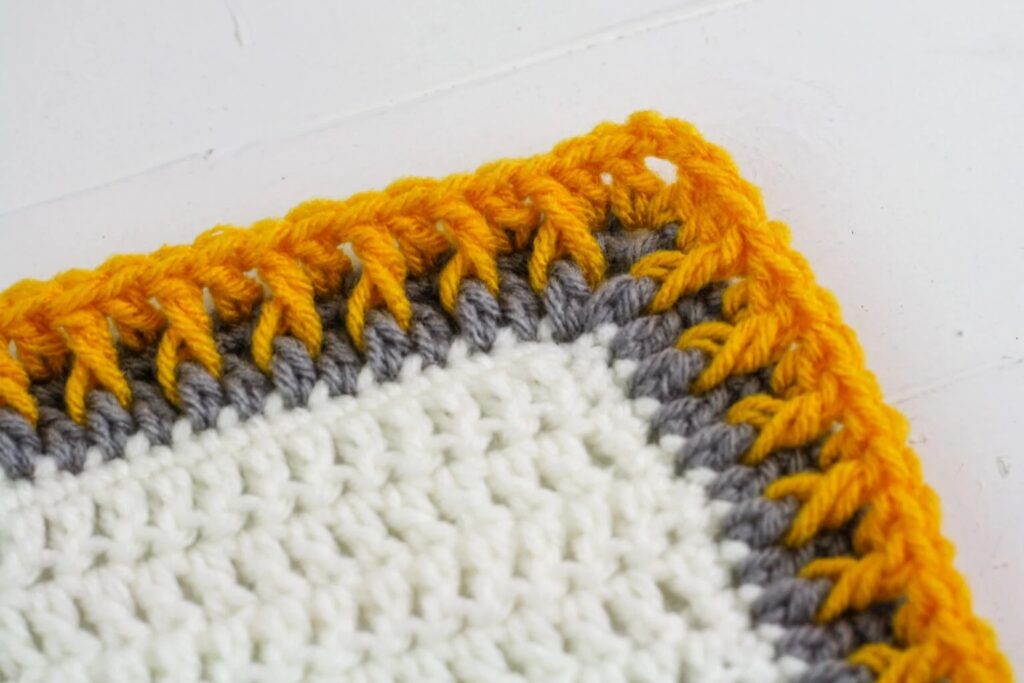
The Alpine Stitch Crochet Blanket Border
The alpine stitch border has a rich texture that makes a blanket feel extra cozy. It’s a good choice for someone who wants the edge to look warm, chunky, and full without adding a frilly finish. This border is beautiful on solid blankets, striped blankets, or throws that need a more textured frame.
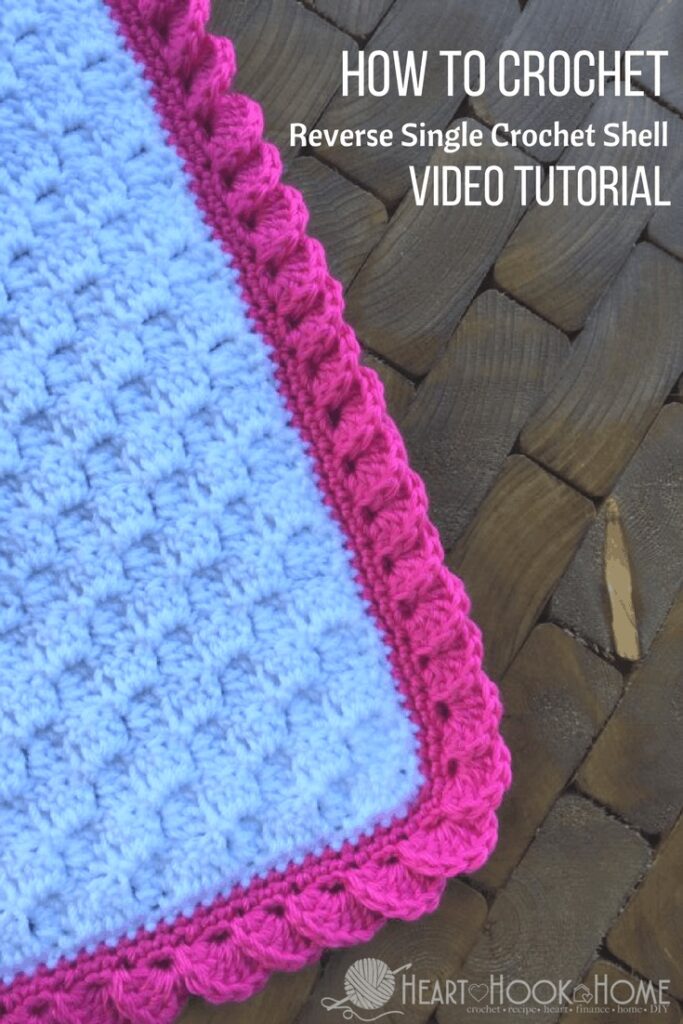
The Reverse Shell Crochet Border
The reverse shell border has a softer wavy look compared to a straight edge. It uses basic stitches, but the result is much more decorative. I recommend it for blankets that need a pretty finish without making the border feel too delicate.
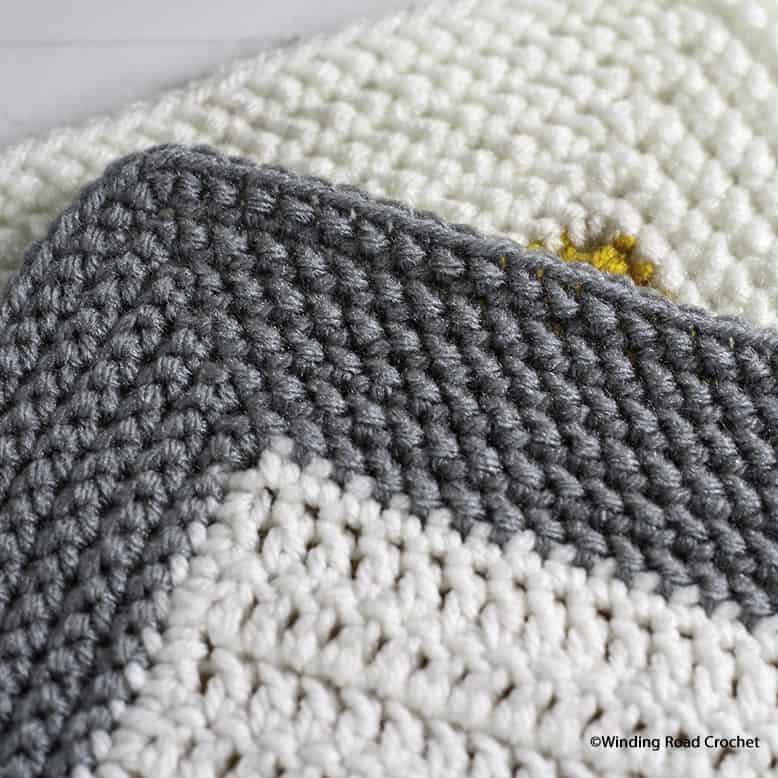
The Herringbone Crochet Border
The herringbone border is a great option when you want a light texture that doesn’t take over the project. It has a clean, slightly angled look that feels modern and tidy. This border works well for someone who wants a one-row repeat that fits almost any blanket style.
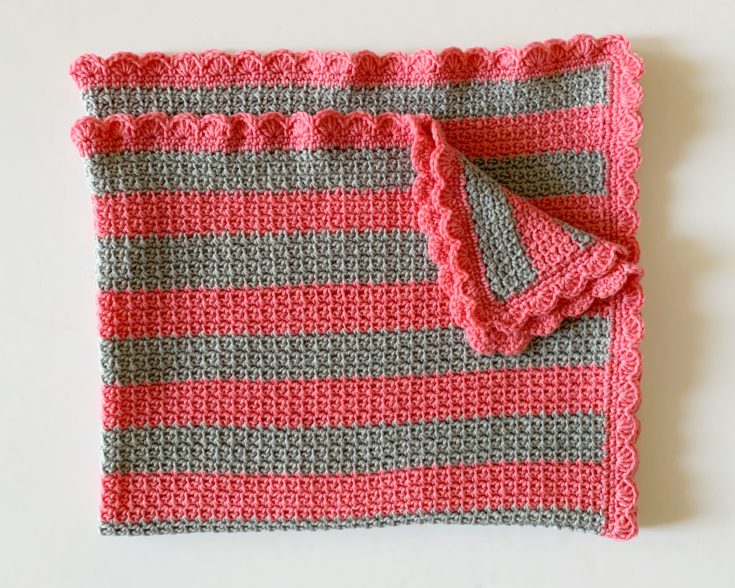
The Crochet Simple Shell Border
The simple shell border is a favorite for a reason. It gives the edge a soft scallop using basic stitches, so the finished project looks polished without feeling overworked. I use it on baby blankets, throws, or shawls where the border needs to be pretty but still relaxed.
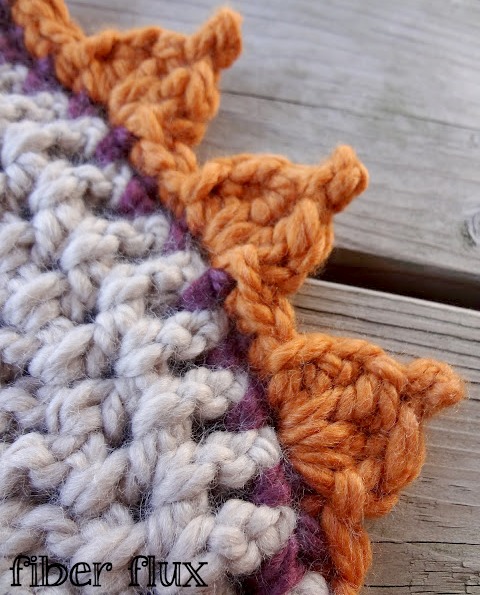
The Pumpkin Patch Edging
The pumpkin patch edging is a fun choice for fall crochet projects. It adds a row of little pumpkins around the edge, making the border the highlight of the season. I use it for autumn blankets, scarves, or gift projects where a plain edge would feel like a missed opportunity.
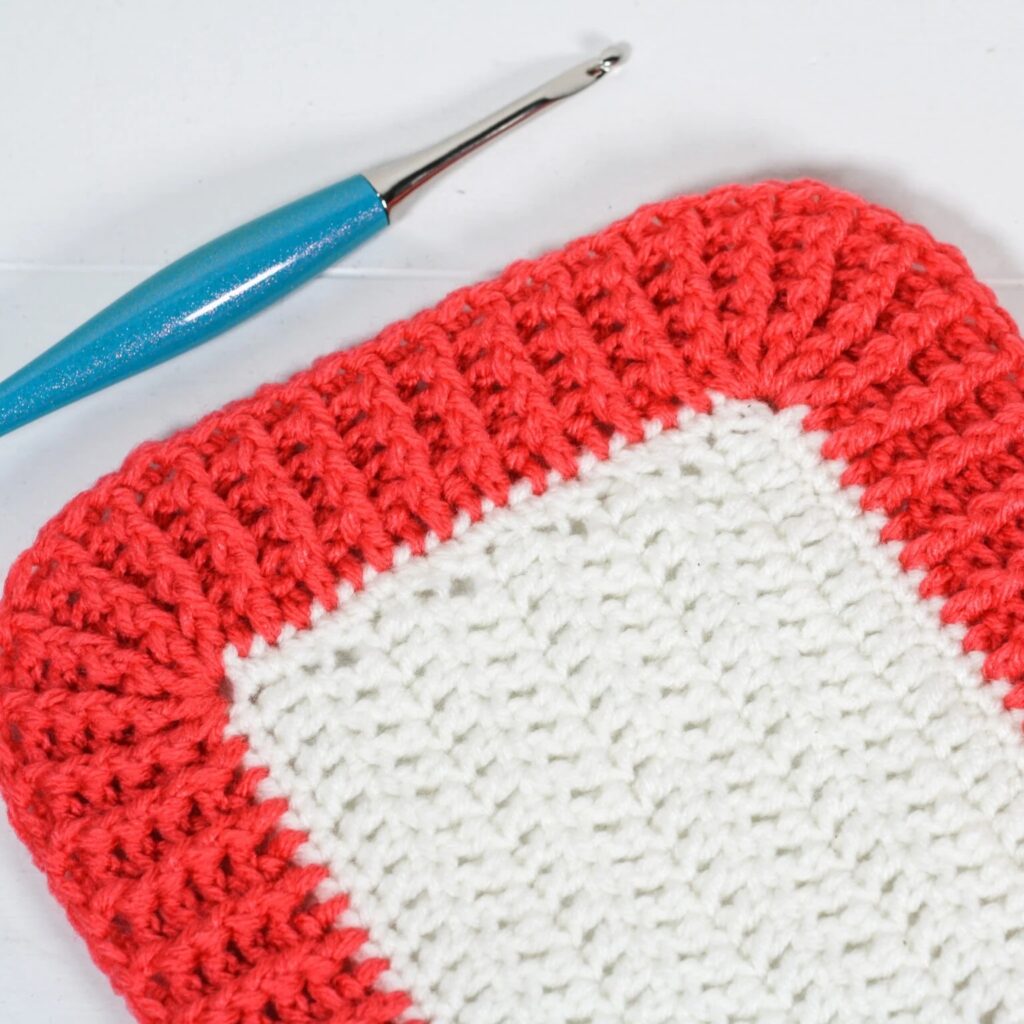
The Rib Crochet Border
The rib crochet border gives a blanket a cozy, classic finish that always feels right. The ribbed texture adds structure and makes the edge look more substantial. It’s a great pick for someone who wants a border that feels warm, simple, and a bit more traditional.
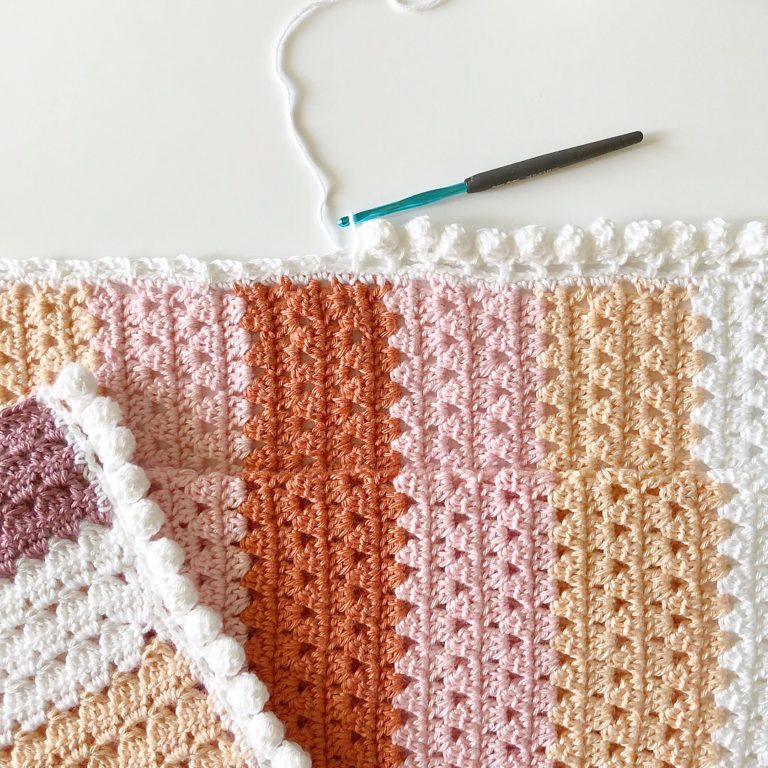
The Crochet Dot Border
The crochet dot border is a cute way to add small pops of texture without using pom poms. It feels playful but still neat enough for blankets and kids’ projects. I choose it when the project needs a little charm around the edge but not a border that takes all the attention.
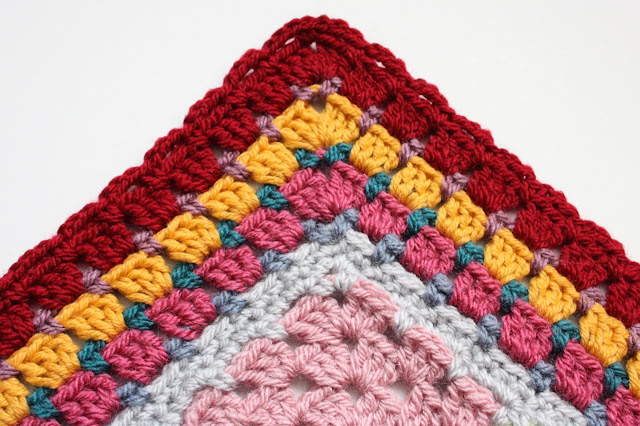
The Grannie Patches Border
The Grannie Patches Border has a nostalgic granny-square feeling in the best way. It’s great for someone who wants color, charm, and a border that feels more patchwork-inspired. I use it on a simple blanket that needs more personality around the edge. It’s also a fun way to use color without reworking the whole project.
Working with squares? You may also like my mattress stitch joining tutorial.
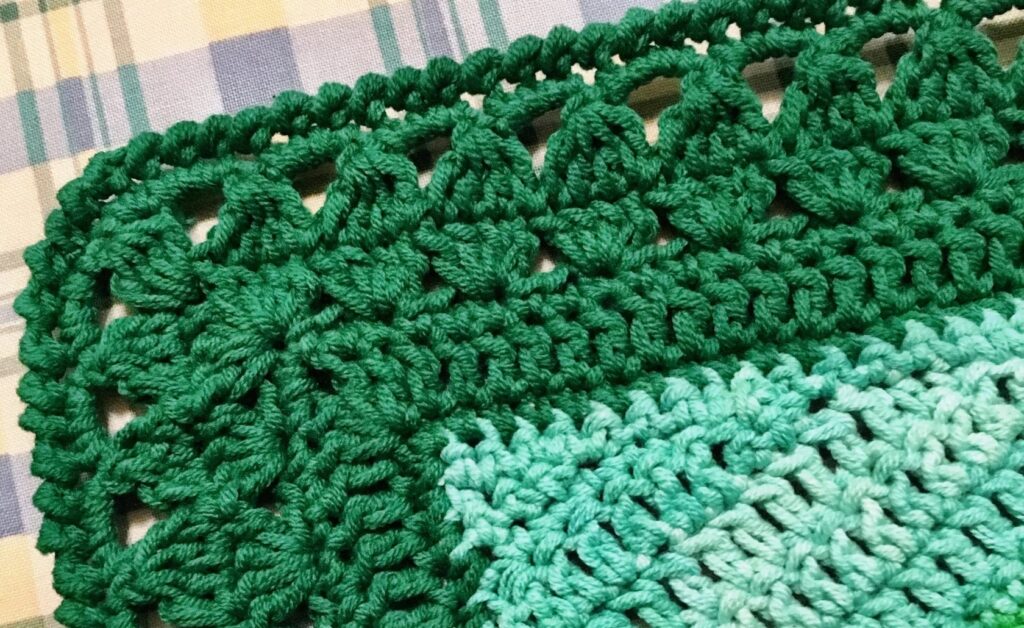
The Big Leaf Border
The Big Leaf Border is a pretty choice for nature-inspired crochet projects. The connected leaf shapes make the edge feel special, so I use it for blankets where the border can be part of the design. It’s great for someone who wants something more eye-catching than shells or ribbing. This border feels fresh, decorative, and a bit unexpected.
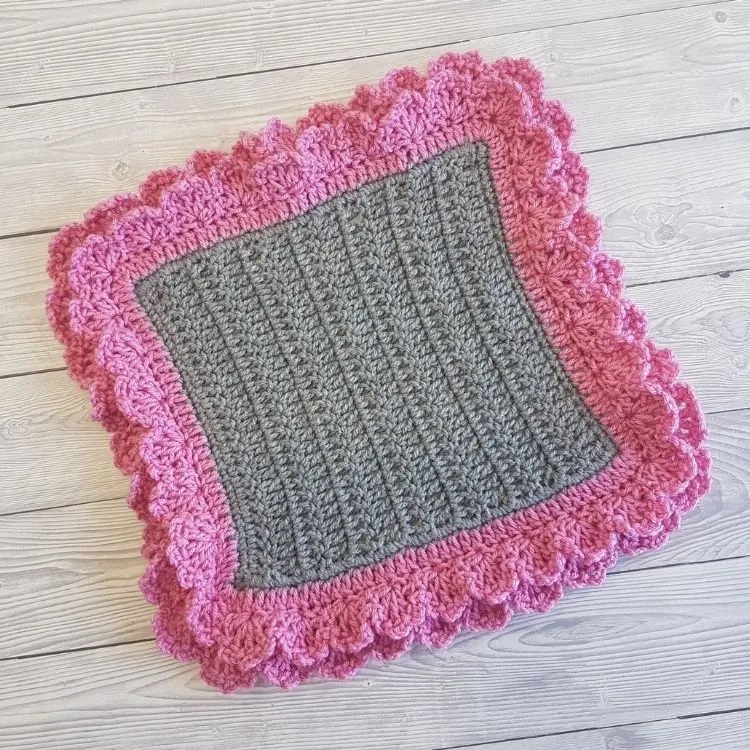
The Layered Scallops Border
The layered scallops border is for projects that can handle a fuller, frillier edge. It adds movement and softness, making a plain blanket feel more dressed up. I use it when a small border feels too shy and the project needs more shape. It’s pretty, but works best when the border is meant to stand out.
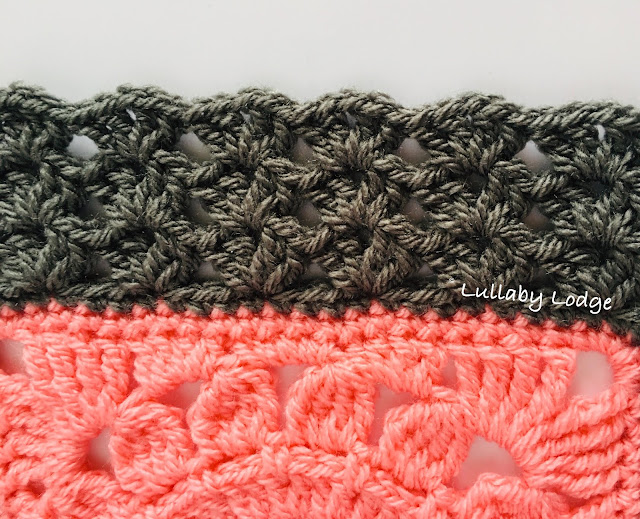
The Iris Stitch Edging
The iris stitch edging has a delicate look that feels more elegant than a basic border. It’s a nice option for blankets that need something pretty but not bulky. I recommend it for someone who wants a softer decorative finish with a touch of lace. It adds detail without making the project feel heavy.
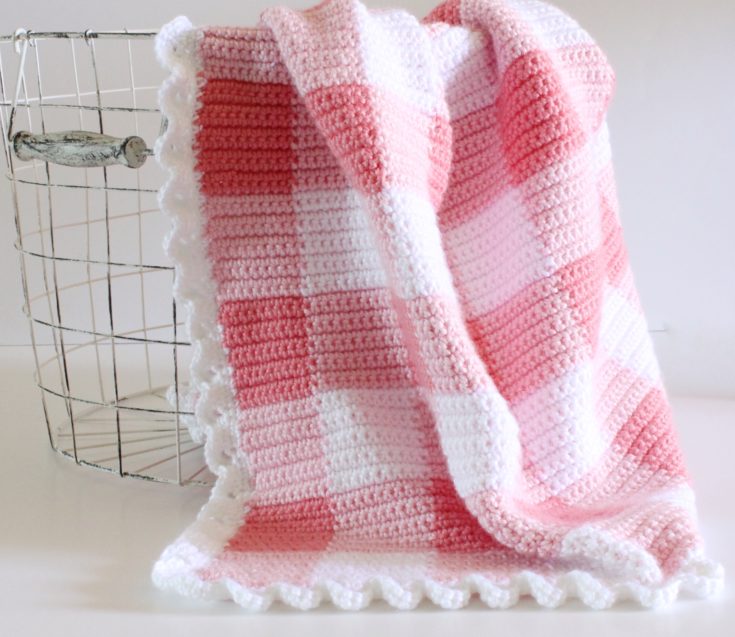
The Crochet Eyelet Border
The crochet eyelet border is great when a plain blanket needs a lighter finish. The small openings give the edge a soft, airy look, which works well on simple or delicate projects. I use it when I want the border to feel pretty but still clean. It adds detail without making the edge look crowded.
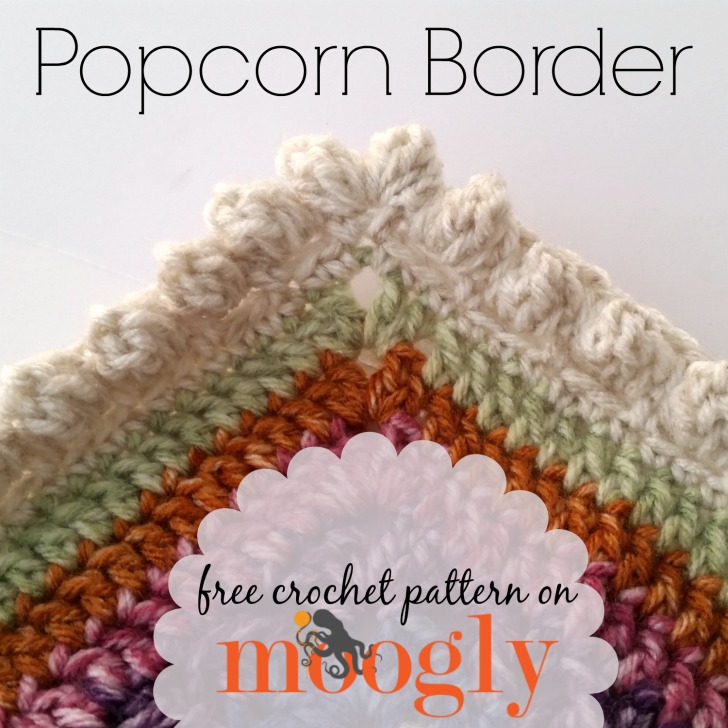
The Popcorn Border
The popcorn border is a good choice when the edge needs visible texture. The raised stitches add a playful, bumpy finish that works well on blankets and gift projects. I choose it for someone who wants more personality than a flat edge but not a big frilly border. It feels fun, cozy, and very touchable.
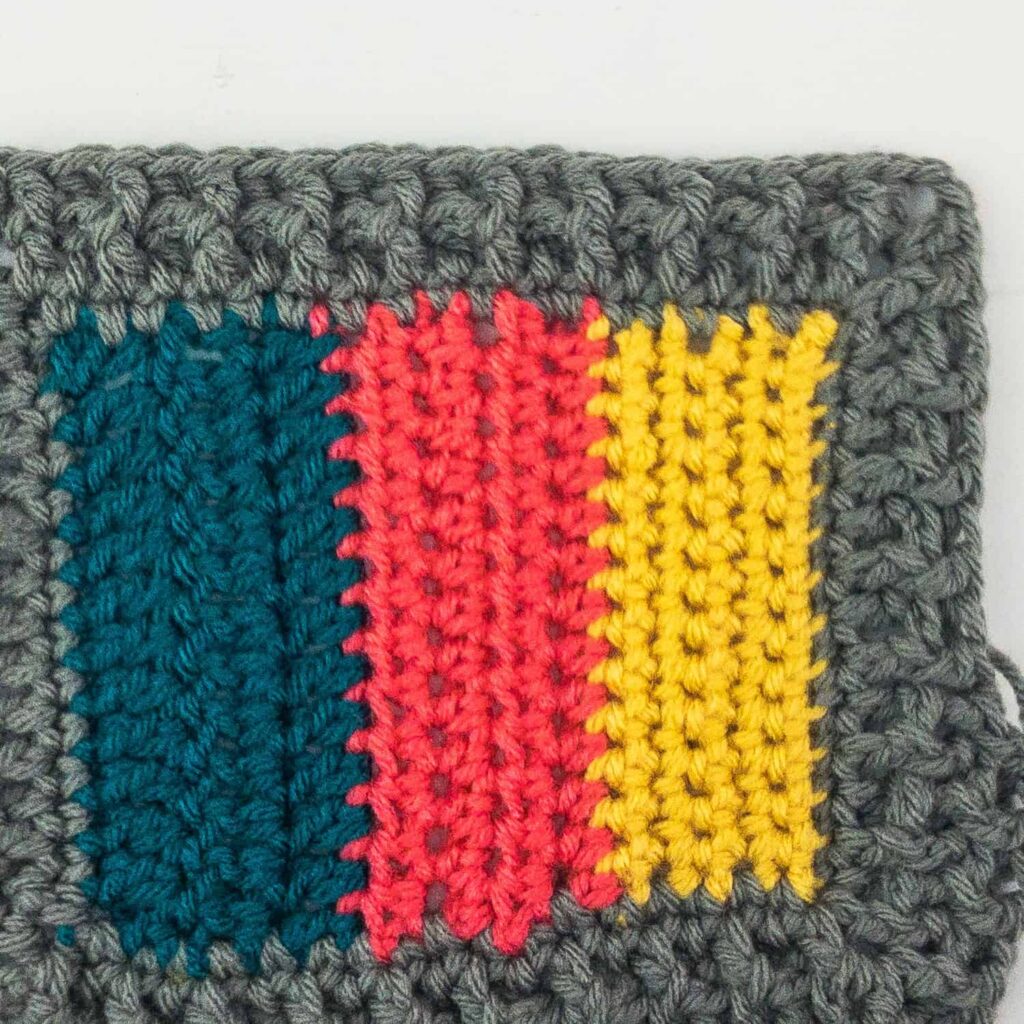
This Mini Basketweave Border
The mini basketweave border is a great choice when a blanket needs texture that feels more polished. Its woven look makes the edge feel thicker, cozier, and more finished. I use it on a simple blanket where the border can add quiet structure. It feels neat and warm without being fussy.
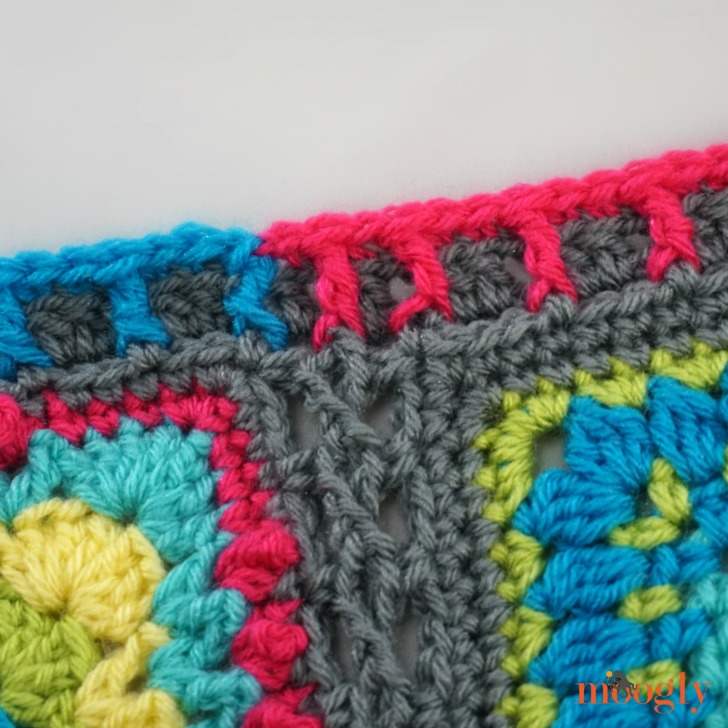
Windows Border
The Windows Border has a clean graphic look that feels fresh and modern. The mix of double crochet and front post treble crochet gives the edge framed spaces that make it stand out. It’s a good choice for someone who wants a border with shape but not a frilly finish. I use it on blankets that need a stronger, more defined edge.
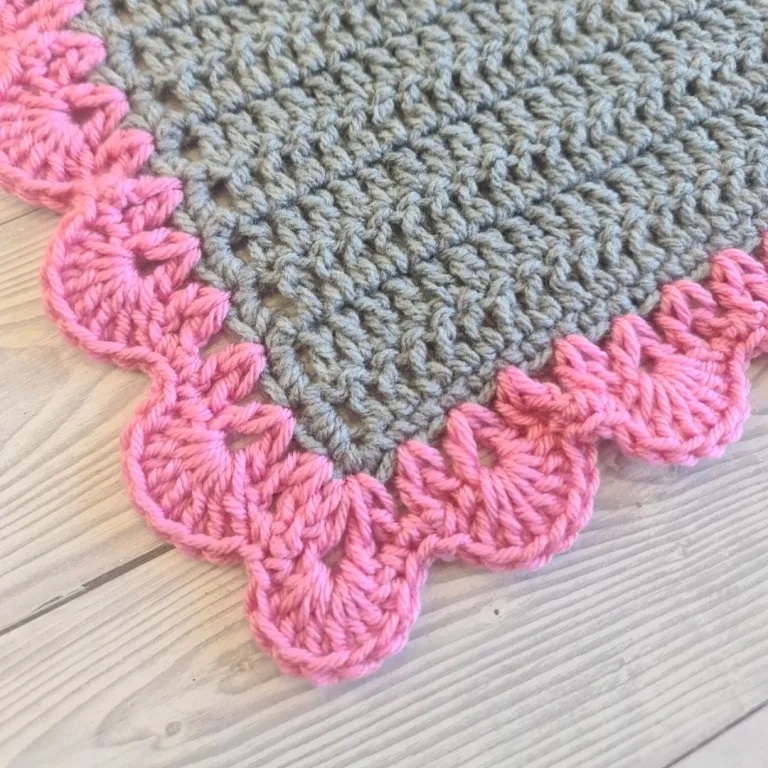
V-Stitch Shells Border
The V-Stitch Shells Border has a pretty open look that works well when a project needs a softer edge. The shells and V-stitches give it a light scalloped shape without making the border feel heavy. I recommend it for blankets, shawls, or scarves that can use a little lace detail. It feels decorative but still easy to use.
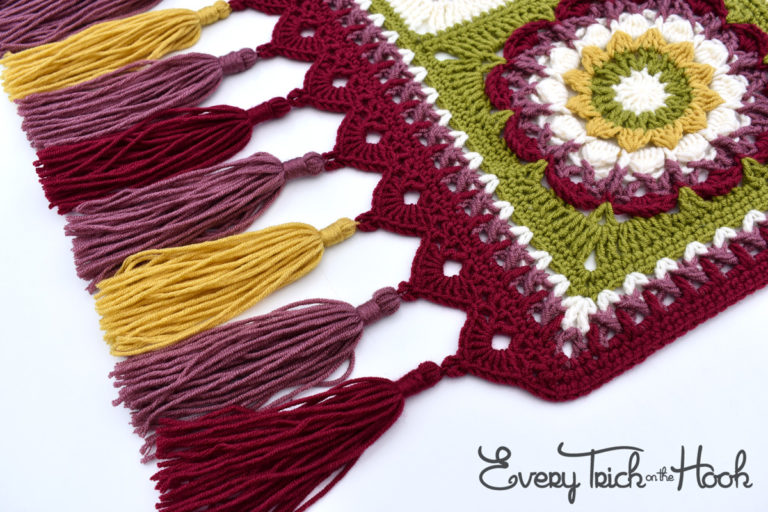
Magic Carpet Edge
The Magic Carpet Edge is a fun option when the border becomes part of the project’s personality. It has a decorative look and works well with tassels or wall-hanging style pieces. It’s great for someone who wants something less basic and more artistic. I use it when a plain edge would make the project feel unfinished.
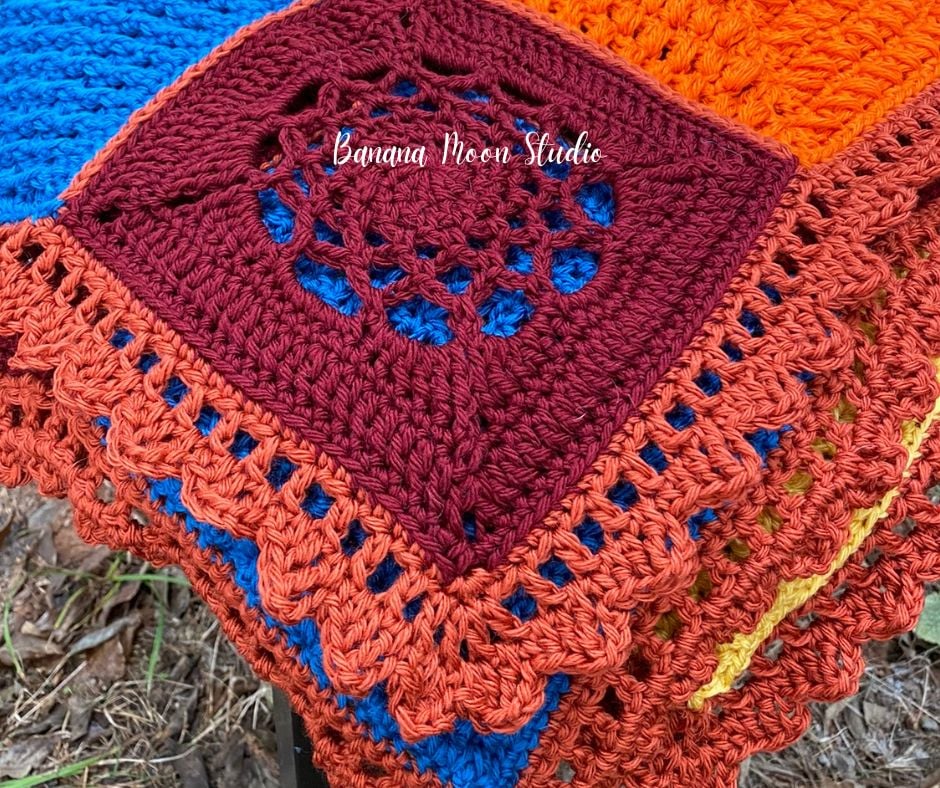
Sawtooth Crochet Edging
The sawtooth edging is perfect when you want a sharper, more graphic finish. The zigzag shape gives the edge movement, making a simple blanket look more interesting. I pick this for someone who wants a border that feels clean, bold, and not too sweet. It adds detail without being soft or frilly.
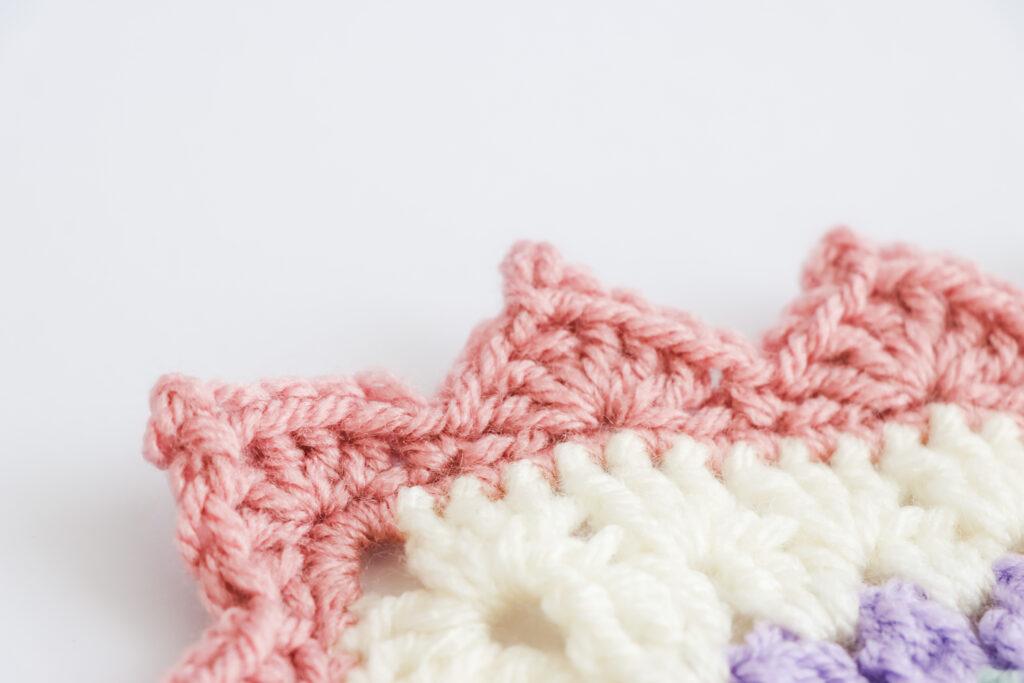
Triangle Picot Edge
The triangle picot edge has a cute pointed finish that feels playful but tidy. It adds more detail than a tiny picot border, so the edge stands out without being too much. I use it on blankets or smaller projects that need a decorative lift. It’s nice when you want the border to feel cheerful and crisp.
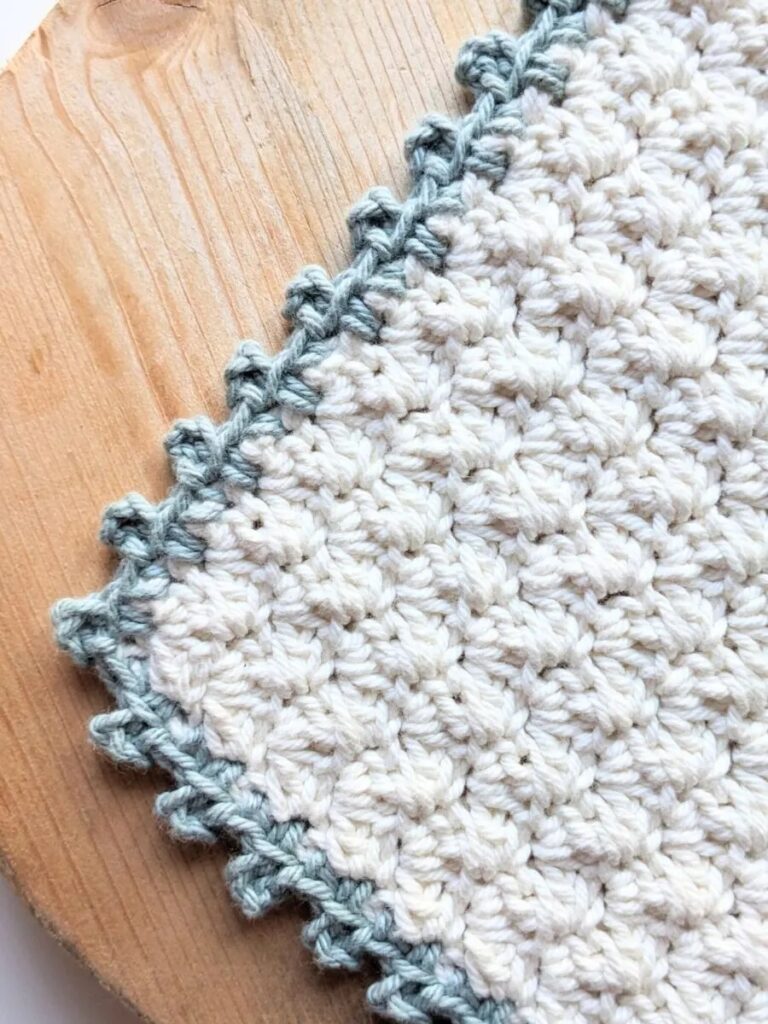
Crochet Picot Stitch Border
A picot stitch border is one of my favorite small finishes because it doesn’t need much space to look pretty. It gives the edge tiny points that make the project feel more delicate and thoughtful. It’s a great choice for someone who wants a simple border with a sweet detail. I use it when a wide border would feel too heavy.
Quick Tips for Borders That Lay Flat
A border that waves or pulls in can make the whole project feel off, even if the stitch pattern looks great. The good news is the problem is usually not the border itself. It’s often the stitch spacing, hook size, or how the corners are made.
If the border starts to ruffle, there may be too many stitches along the edge. If it pulls inward, there may be too few stitches or the hook may be too small. Corners need enough room, especially on blankets, because tight corners can pull the whole border out of shape.
Check the first round before adding more. Lay the project flat and see how the edge sits. Fixing one round is annoying, but fixing four rounds is much worse.
MORE CROCHET INSPIRATIONS
If you found this crochet post helpful, you might also like posts:
- Stunning Crochet Shawl Free Patterns
- 20+ Scrubby Yarn Ccrochet Pattern For You
- The Best Animal Free Crochet Patterns
- Crochet V-Stitch Free Patterns
- Star Stitch Free Patterns
- Mosaic Crochet Free Patterns
- Top 10 Free Crochet Pillow Patterns
Frequently Asked Questions About Crochet Borders
What is the easiest crochet border for a blanket?
A single crochet border is usually the easiest place to start. It gives the blanket a clean edge, works with many stitch patterns, and doesn’t require much extra thought once you get into the rhythm.
It’s also a good first round before adding something more decorative. I often think of it as the border that gets everything under control, especially when the blanket already has color, texture, or a busy stitch pattern.
How do I choose the best crochet border for my project?
Start with the project, not the border photo. Consider the yarn, stitch pattern, size, and how much attention you want the edge to get.
A simple blanket can handle shells, bobbles, puff stiA simple blanket can handle shells, bobbles, puff stitches, or ribbing. A project with lots of texture or color usually looks better with a cleaner edge, such as single crochet, moss stitch, crab stitch, or a small picot.ing usually means the border is pulling too tightly or the hook size is too small. Ruffling usually means there are too many stitches along the edge.
Check the first round before going further. It’s much easier to fix the spacing early than to rip back several decorative rounds later.
What crochet border works best for baby blankets?
For baby blankets, I stick with borders that feel soft, secure, and comfortable. Smooth rounds, gentle shells, moss stitch, and small picot edges are all good options.
I avoid very long loops or anything that feels too open and snaggy. Baby blankets get used, washed, folded, dragged around, and loved, so the border needs to be pretty but practical.
Final Thoughts on Choosing a Crochet Border
A crochet border doesn’t need to be complicated to look good. That’s probably my favorite thing about this topic. A tiny picot, a clean single crochet edge, or one thoughtful round can be enough when it matches the project.
The best border is the one that makes the piece feel settled—not louder, not heavier, not covered in details just because the pattern looked pretty online. It should be finished in a way that makes sense with the yarn, stitch pattern, and the kind of project you made.
Browse the ideas, save your favorites, and trust the simpler options too. Fancy borders are lovely, but a simple edge with good proportions can be just as satisfying.
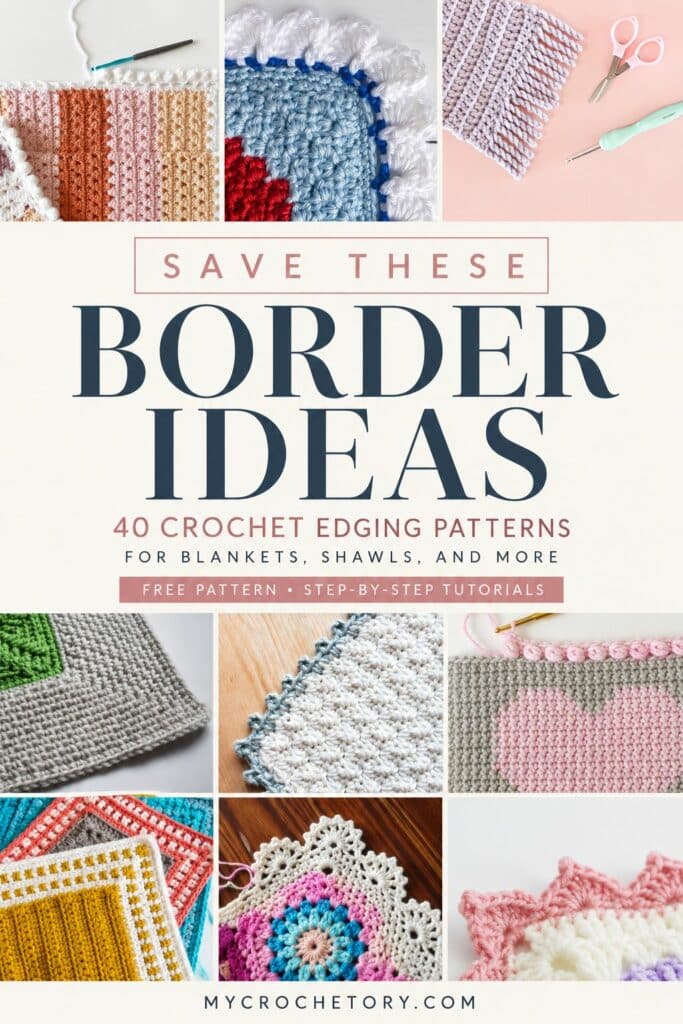
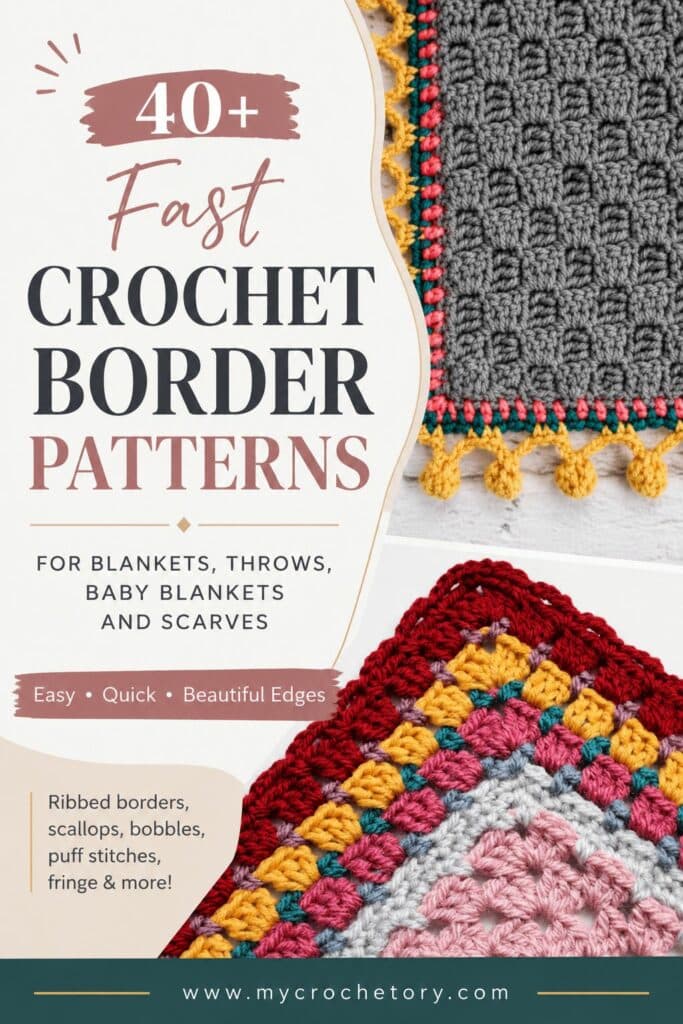
Don’t forget to save this Pin for easy reference: 📌
Leave a Reply