
Updated: 23 October 2026 by Sylwia (MyCrochetory)
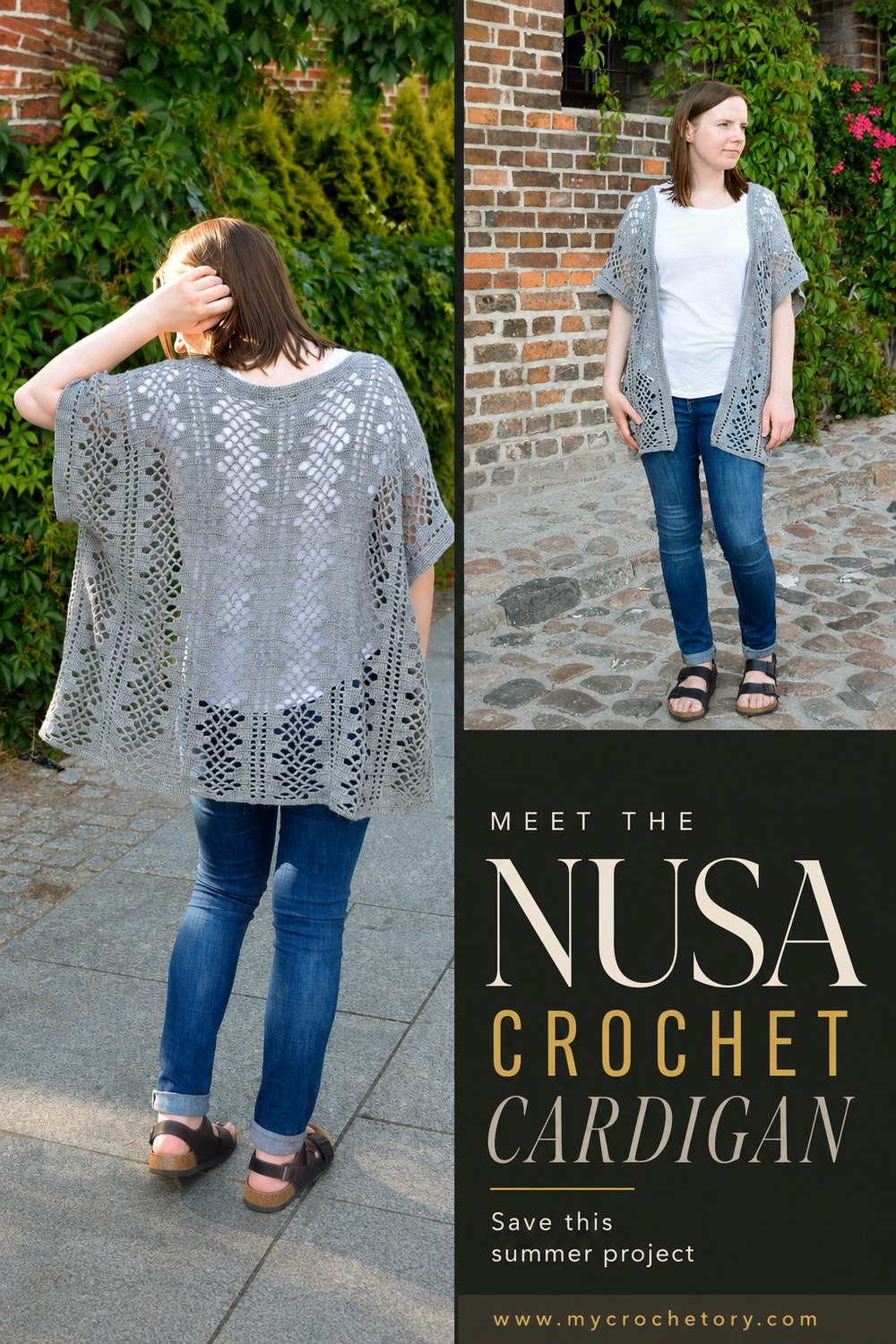
I designed this lightweight crochet cardigan in the summer of 2020, and believe it or not, in my head it was a kimono.
Somewhere along the way it turned into Nusa, a cardigan with open lace, short sleeves and a long, loose shape. It’s my answer to those summer evenings when a T-shirt is suddenly not enough, but a sweater feels like a punishment.
Keep reading for the whole story and my yarn tip for hot days, or jump straight to the free pattern.
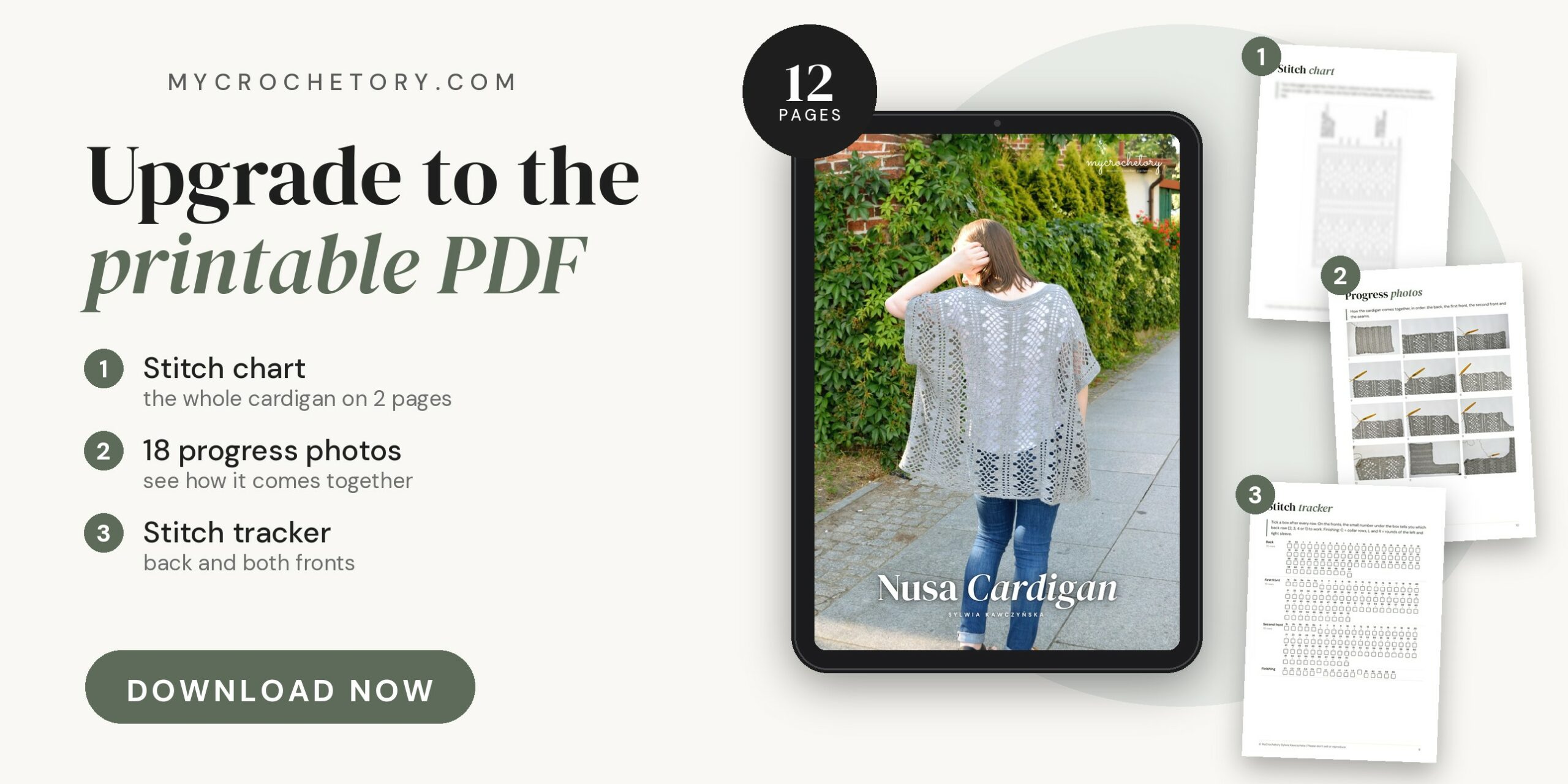
Prefer a printable version? Get the ad-free PDF with the stitch chart HERE on Etsy or HERE on Ravelry.
Join my Facebook Group and Official Ravelry Group, where you can ask questions and share your finished projects. You can also follow me on Instagram, Facebook and Pinterest.
From Lace Kimono to Lightweight Crochet Cardigan
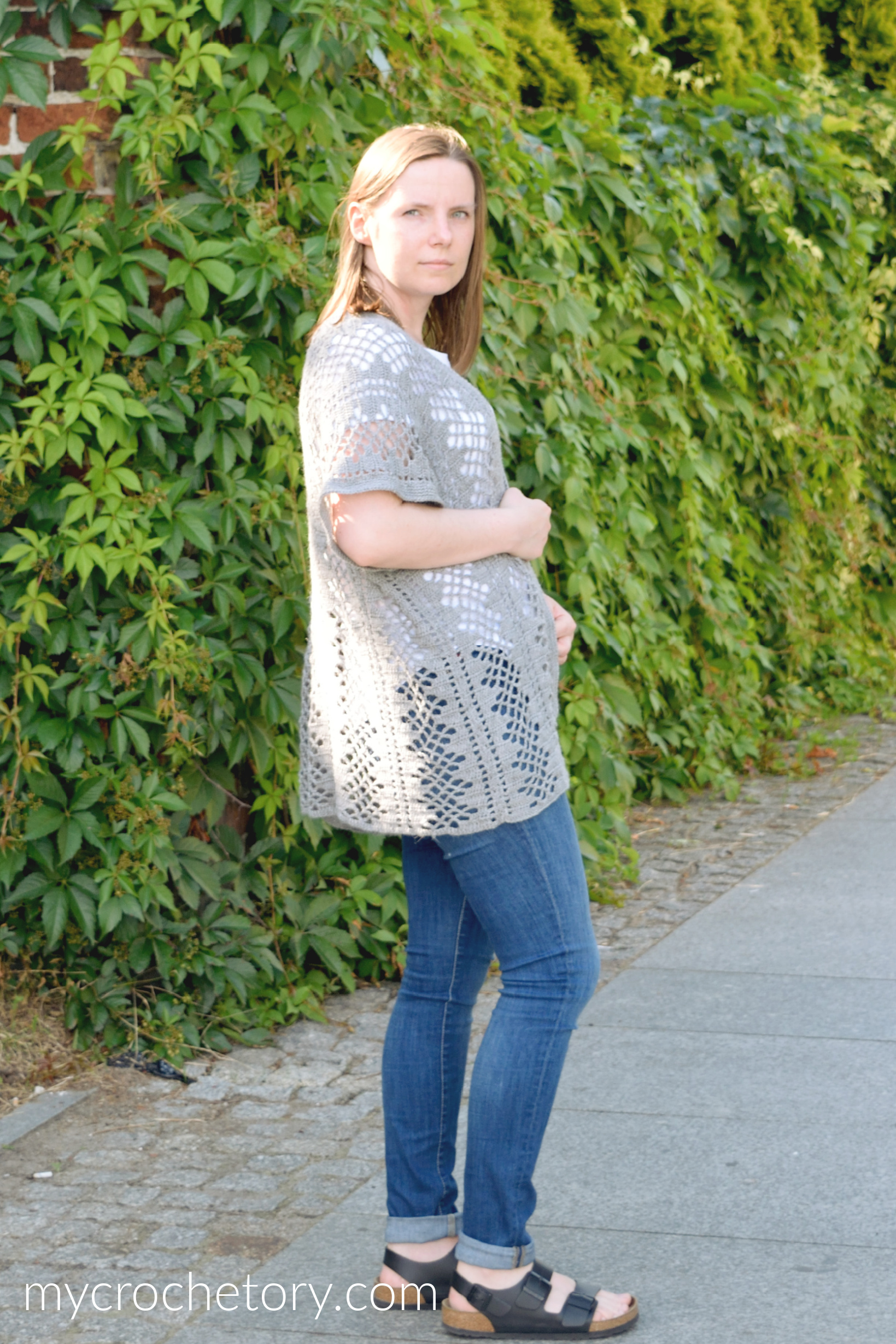
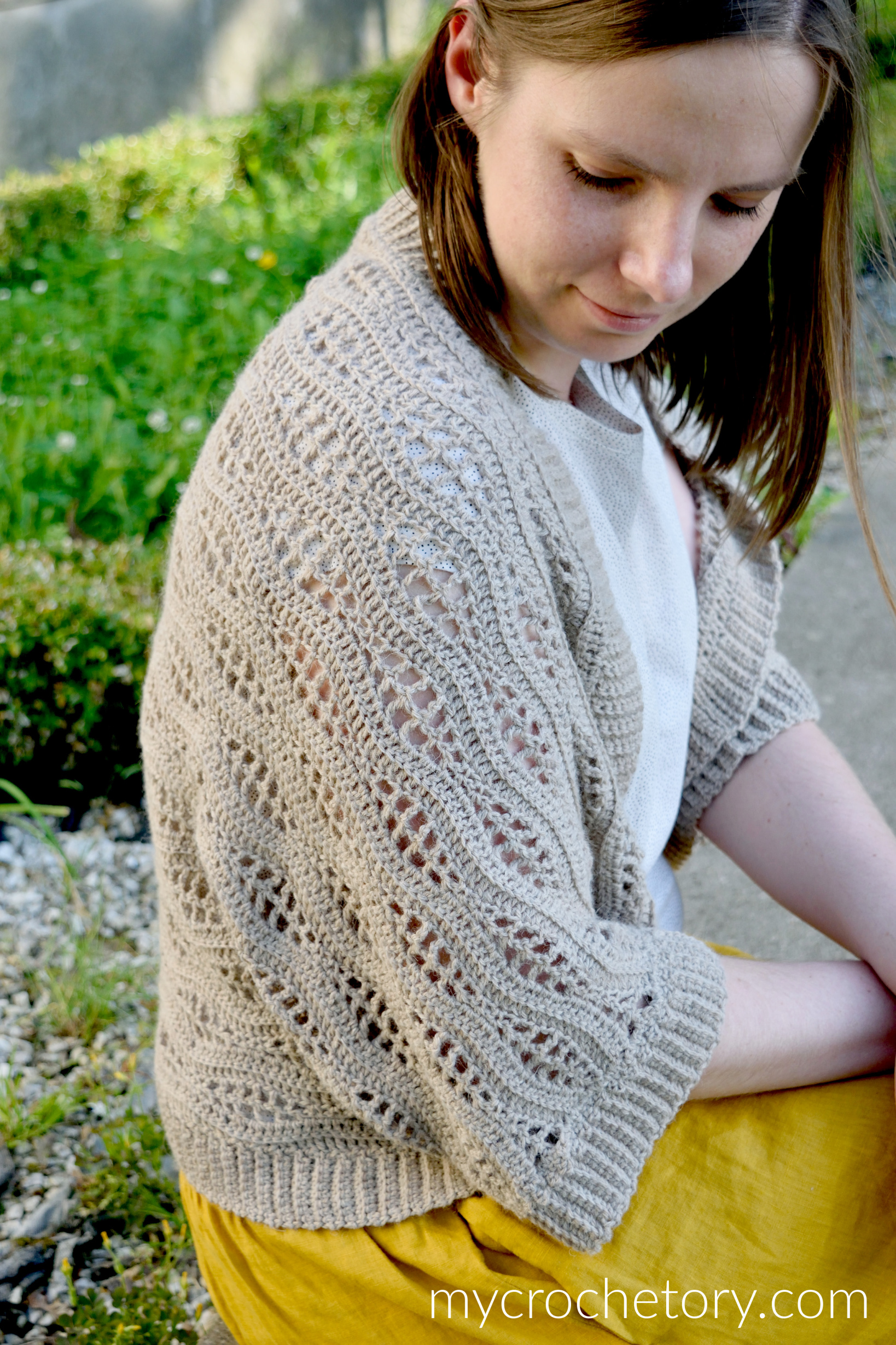
So how does a kimono turn into a cardigan? I kept the lacy, flowy feel I had in mind and gave it short sleeves and an open front.
It still has that kimono feel. It’s long, loose and open in front, so you can throw it on and go.
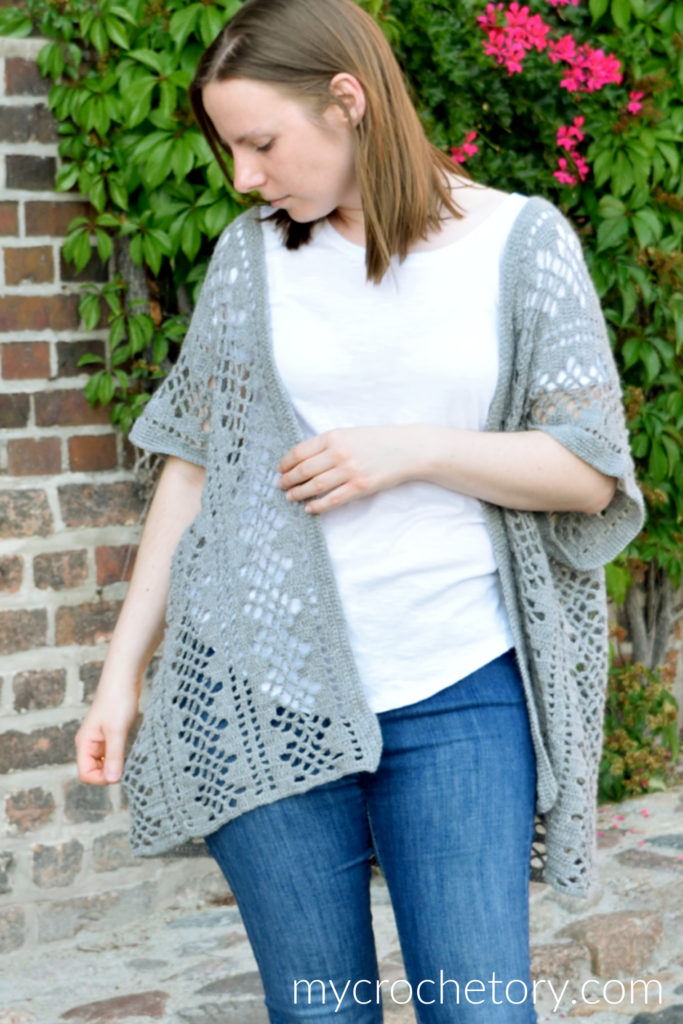
That’s also why there are no buttons. The front stays open, and a simple single crochet collar runs from one hem, around the neck and down to the other.
The length is all yours too. Nusa is long by design, but you can add or remove pattern repeats before the top of the neck, as long as both front panels end up with the same number of rows.
Why a Gray Lightweight Crochet Cardigan?
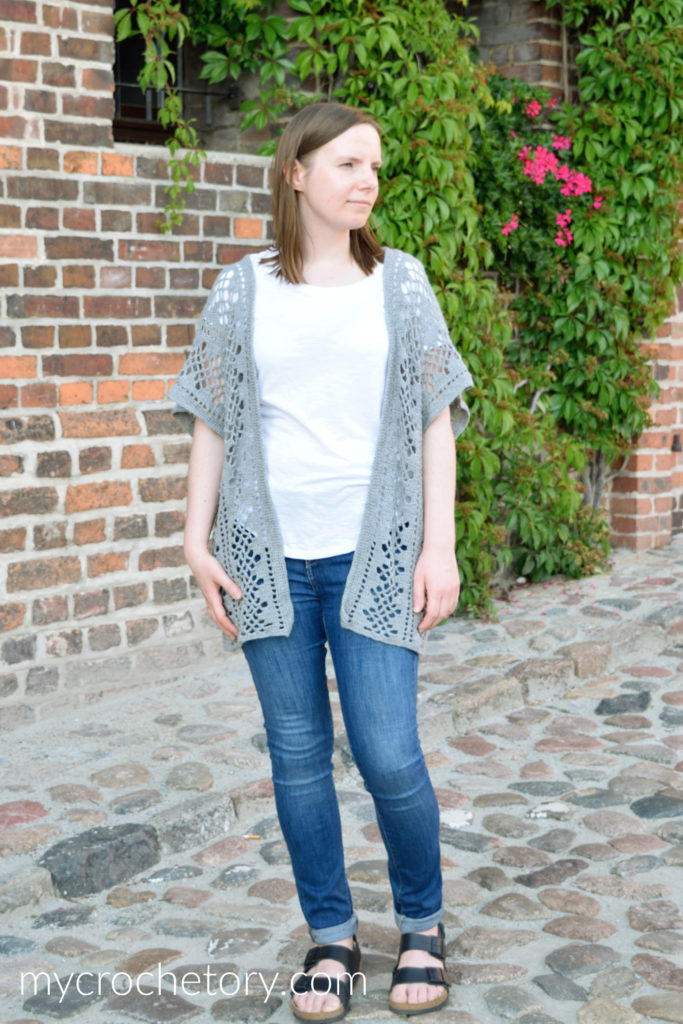
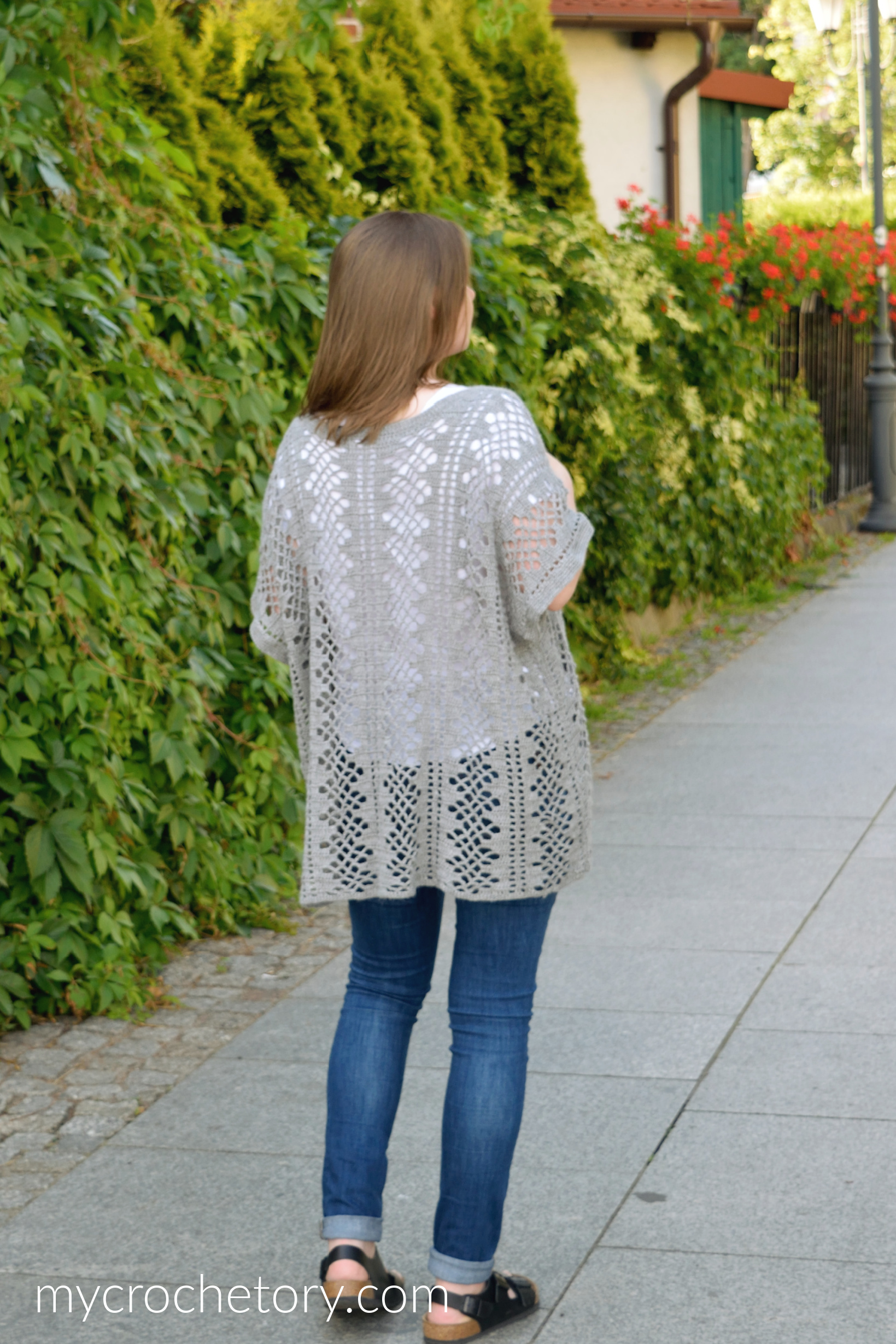
Gray might sound boring, but it goes with almost everything. That’s exactly why I chose it for Nusa.
Wear it with a white T-shirt and jeans, or over a summer dress. It also makes a nice beach cover up.
On a cooler day, layer it over a long-sleeve top. And if gray really isn’t your thing, the pattern works in any color, so pick the shade you’ll actually wear.
How This Lightweight Crochet Cardigan Is Made
Hate sewing seams? You only have two short ones here, one on each side.
You start with the back and work it bottom up as a simple rectangle. Then you split for the two front panels and work each one down from the shoulder.
Fold the piece in half, seam the sides and leave openings for the arms. A single crochet collar and five rounds of sc around each armhole finish it off.
The back is one big rectangle of 176 stitches, and the lace repeats every 4 rows. After a few repeats you’ll know it by heart.
At the top you fill the lace with solid stitches for the neck and place a marker. The first front starts from one side, and the second one starts right in that marked stitch.
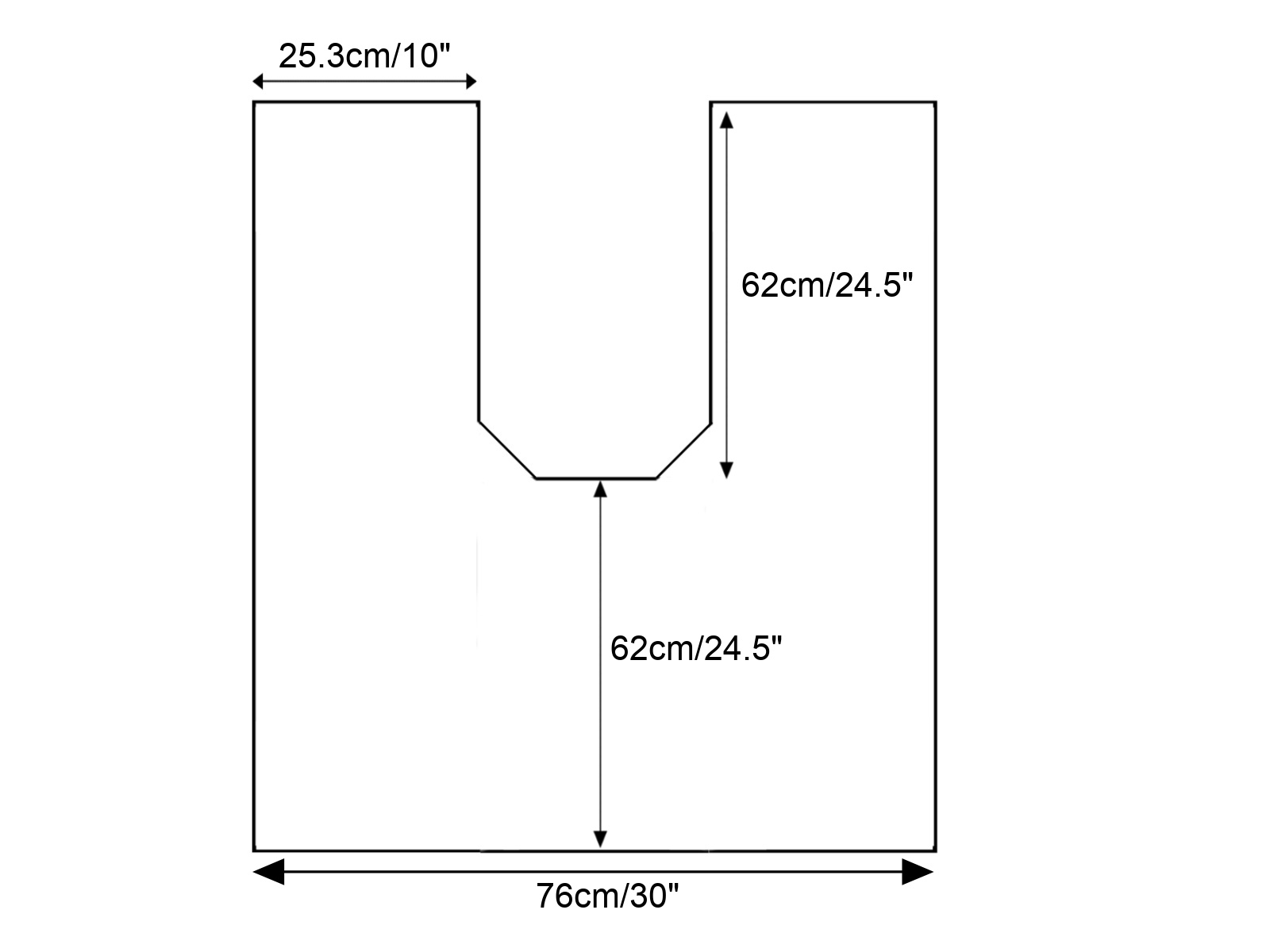
Block the whole piece before you seam it. Then fold it in half and leave about 9.75 inches (25 cm) open for each armhole.

Yarn for a Lightweight Crochet Cardigan
My rule for summer layers is simple. Pick a yarn that keeps you cool when it’s warm out.
I made Nusa in DROPS Nord, and I still recommend it. You need 7 skeins, about 1,300 yards (1,190 m).
Want to try a different weight? Go for it, just remember the width will change with your gauge.
DROPS Nord is a fingering weight blend of alpaca, wool and polyamide. Looking for something even cooler? Cotton, linen or bamboo blends in a similar weight are worth a try.
Whatever you choose, make a swatch first. Wash and block it the same way you’ll treat the cardigan, because lace can grow a lot after blocking.
Is the Nusa Cardigan Beginner Friendly?
Does all that lace look scary? Don’t let it fool you.
This lightweight crochet cardigan is for adventurous beginners and intermediate crocheters. You only need chains, single crochet, double crochet and two simple decreases, and every row is written out.
The lace is made of chain-5 arches and little groups of double crochet that move a bit every row. If you can read a written row and count to six, you’re halfway there.
Take it slow at the neck. That’s where the decreases happen, and a stitch marker makes the second front panel much easier to start.
The PDF also has stitch charts if you like to see the lace. Not starting today? Pin this lightweight crochet cardigan pattern so it’s ready for your next summer project.
Nusa Free Lightweight Crochet Cardigan Pattern
- Buy the ad-free, printable PDF with stitch charts here on ETSY or here on Ravelry.
- Add this pattern to your Ravelry Queue HERE.
- Pin it for later.
Copyright 2020 – 2026 MyCrochetory. All rights reserved. This pattern is property of Sylwia Kawczyńska @MyCrochetory. Please DO NOT sell the pattern and claim this pattern as your own. The pattern is for personal use only and may not be translated or reproduced in another language. Please respect my rights, DO NOT share or publish this pattern anywhere without my permission.
The cardigan you make following this pattern is yours, and you are free to sell it, as long as you credit MyCrochetory as the original designer. For more information, please read the Terms Page.
As a bonus, the ad-free, printable PDF includes stitch charts. If you’re a visual learner, or you just want to support my work, you can buy it HERE on Etsy or HERE on Ravelry. Thank you!
Materials for the Lightweight Crochet Cardigan
- Yarn: DROPS Nord, 50 g = 170 m (186 yd), 45% Alpaca, 30% Polyamide, 25% Wool, 7 skeins.
- Hook size 3 mm and 3.5 mm. Adjust hook size if necessary to obtain the correct gauge.
- Tapestry needle (to weave in yarn ends).
- Scissors.
- Stitch marker.
Level: Adventurous beginner / Intermediate
Lightweight Crochet Cardigan Size (One Size)
Length from top of neck to bottom of cardigan is 62 cm / 24.5” (it stretches slightly downward when worn).
You can make this cardigan as long as you like by adding or subtracting pattern repeats before the top of the neck.
Width is 76 cm / 30” from end of sleeve to end of sleeve.
This pattern fits S – L. It’s a one size fits most pattern. For a larger or smaller fit, work it with a larger or smaller crochet hook.
For reference, my measurements are 92 cm / 36” bust and I am 5’6” tall.
Gauge After Blocking
For a swatch of 34 chains and 12 rows, the length is 10.5 cm / 4.1” and the width is 13.5 cm / 5.3”.
If necessary, adjust hook size to obtain the correct gauge.
Before you measure, please take the time to wash and block your swatch in the same manner that you will wash and block your cardigan.
Notes for This Lightweight Crochet Cardigan
- The pattern uses US crochet terminology.
- First, the back is worked from the bottom up. When the desired length is reached, then both front panels are worked top down.
- Next, the sides are seamed to create armholes.
- You can also use yarn in different weights, but just know that the width will be different depending on your gauge.
- dc in last dc means work double crochet stitch in top of beginning chain3, unless otherwise stated.
- Stitch marker placement: When instructed to place your marker, place on the last st worked unless otherwise instructed. It should lie on a stitch, not between stitches.
- Instructions in square brackets […] are worked as many times as indicated.
- The pattern includes the stitch charts.
Stitches & Abbreviations (US Terms)
st(s) – stitch(es)
yo – yarn over
dc2tog (double crochet 2 together) – [yo, insert hook in indicated st, yo, draw up a loop, yo, pull through 2 loops] twice, yo, pull through all 3 loops on hook.
dc3tog (double crochet 3 together) – [yo, insert hook in indicated st, yo, draw up a loop, yo, pull through 2 loops] three times, yo, pull through all 4 loops on hook.
sp – space
sk – skip
prev – previous
beg – beginning
Back of the Lightweight Crochet Cardigan
Read the Notes before you start.
With 3.5 mm hook, ch179.
Setup Row 1: dc in 4th ch from hook*, dc in each ch to end. Turn. (176dcs)
*the first ch3 counts as dc.
Setup Row 2: ch3 (counts as dc), dc in next dc, [ch2, sk 2dcs, dc in next 9dcs, ch5, sk 3dcs, sc in next dc, ch5, sk 3dcs, sc in next dc, ch5, sk 3dcs, dc in next 3dcs, ch2, sk 2dcs, dc in next 2dcs] rep to end. Turn.
Row 1: ch3 (counts as dc), dc in next dc, [ch2, sk ch-2sp, dc in next 3dcs, 3dc in first ch-5sp, ch5, sc in next ch-5sp, ch5, sc in next ch-5sp, ch5, sk 3dcs, dc in next 6dcs, ch2, sk ch-2sp, dc in next 2dcs] rep to end. Turn.
*the last double crochet stitch is worked in top of beginning chain3 here and throughout (unless otherwise stated).
Row 2: ch3 (counts as dc), dc in next dc, [ch2, sk ch-2sp, dc in next 3dcs, ch5, sk 3dcs, sc in first ch-5sp, ch5, sc in next ch-5sp, ch5, 3dcs in next ch-5sp, dc in next 6dcs, ch2, sk ch-2sp, dc in next 2dcs] rep to end. Turn.
Row 3: ch3 (counts as dc), dc in next dc, [ch2, sk ch-2sp, dc in next 6dcs, ch5, sk 3dcs, sc in first ch-5sp, ch5, sc in next ch-5sp, ch5, 3dcs in next ch-5sp, dc in next 3dcs, ch2, sk ch-2sp, dc in next 2dcs] rep to end. Turn.
Row 4: ch3 (counts as dc), dc in next dc, [ch2, sk ch-2sp, dc in next 6dcs, 3dc in first ch-5sp, ch5, sc in next ch-5sp, ch5, sc in next ch-5sp, ch5, sk 3dcs, dc in next 3dcs, ch2, sk ch-2sp, dc in next 2dcs] rep to end. Turn.
Repeat Rows 1 – 4 15 more times or until desired length.
Then, repeat Rows 1 – 3 one time.
Next Row: ch3 (counts as dc), dc in next dc, [ch2, sk ch-2sp, dc in next 6dcs, 3dc in first ch-5sp, ch5, sc in next ch-5sp, ch5, sc in next ch-5sp, ch5, sk 3dcs, dc in next 3dcs, ch2, sk ch-2sp, dc in next 2dcs] rep 2 times in total, ch2, sk ch-2sp, dc in next 6dcs, 2dc in first ch-5sp, PM, dc in same ch-5sp, dc2tog (first leg over first ch-5sp and second leg over next ch-5sp), 3dc in second ch-5sp, dc2tog (first leg over second ch-5sp and second leg over third ch-5sp), 3dc in last ch-5sp, dc in next 6dcs, ch2, sk ch-2sp, dc in next 2dcs, ch2, sk ch-2sp, dc in next 6dcs, 3dc in first ch-5sp, dc2tog (first leg over first ch-5sp and second leg over next ch-5sp), 3dc in second ch-5sp, dc2tog, 3dc in last ch-5sp, dc in next 6dcs, ch2, sk ch-2sp, dc in next 2dcs, [ch2, sk ch-2sp, dc in next 6dcs, 3dc in first ch-5sp, ch5, sc in next ch-5sp, ch5, sc in next ch-5sp, ch5, sk 3dcs, dc in next 3dcs, ch2, sk ch-2sp, dc in next 2dcs] rep 2 times in total. Turn.
First Front Panel
Row 1a: ch3 (counts as dc), dc in next dc, [ch2, sk ch-2sp, dc in next 3dcs, 3dc in first ch-5sp, ch5, sc in next ch-5sp, ch5, sc in next ch-5sp, ch5, sk 3dcs, dc in next 6dcs, ch2, sk ch-2sp, dc in next 2dcs] rep 2 times in total, ch2, sk ch-2sp, dc in next 5dcs, dc3tog. Turn.
Row 2a: ch3 (doesn’t count as dc), dc3tog, dc in next 3dcs, ch2, sk ch-2sp, dc in next 2dcs, [ch2, sk ch-2sp, dc in next 3dcs, ch5, sk 3dcs, sc in first ch-5sp, ch5, sc in next ch-5sp, ch5, 3dcs in next ch-5sp, dc in next 6dcs, ch2, sk ch-2sp, dc in next 2dcs] rep to end. Turn.
Row 3a: ch3 (counts as dc), dc in next dc, [ch2, sk ch-2sp, dc in next 6dcs, ch5, sk 3dcs, sc in first ch-5sp, ch5, sc in next ch-5sp, ch5, 3dcs in next ch-5sp, dc in next 3dcs, ch2, sk ch-2sp, dc in next 2dcs] rep 2 times in total, ch2, sk ch-2sp, dc in next 1dc, dc3tog. Turn.
*the third leg of dc3tog is worked in top of beginning chain3.
Row 4a: ch3 (doesn’t count as dc), dc2tog, ch1, sk ch-2sp, dc in next 2dcs, [ch2, sk ch-2sp, dc in next 6dcs, 3dc in first ch-5sp, ch5, sc in next ch-5sp, ch5, sc in next ch-5sp, ch5, sk 3dcs, dc in next 3dcs, ch2, sk ch-2sp, dc in next 2dcs] rep to end. Turn.
Row 5a: ch3 (counts as a dc), dc in next dc, ch2, sk ch-2sp, dc in next 3dcs, 3dc in first ch-5sp, ch5, sc in next ch-5sp, ch5, sc in next ch-5sp, ch5, sk 3dcs, dc in next 6dcs, ch2, sk ch-2sp, dc in next 2dcs, ch2, sk ch-2sp, dc in next 3dcs, 3dc in first ch-5sp, ch5, sc in next ch-5sp, ch5, sc in next ch-5sp, ch5, sk 3dcs, dc in next 6dcs, ch2, sk ch-2sp, dc in next dc, dc3tog (first leg in next dc, second leg in ch-1sp and third leg in last st). Turn.
Next, repeat sequence of Rows 2, 3, 4, 1 16 times or until desired length.
Work one row of dc placing 1dc in each dc, 2dc in each ch-2sp, 3dcs in each ch-5sp and dc2tog between ch-5sps.
Fasten off yarn.
Second Front Panel
Attach yarn in marked stitch.
Row 1b: ch3 (doesn’t count as dc), dc3tog (first leg in marked st), dc in next 5dcs, ch2, sk ch-2sp, dc in next 2dcs, [ch2, sk ch-2sp, dc in next 3dcs, 3dc in first ch-5sp, ch5, sc in next ch-5sp, ch5, sc in next ch-5sp, ch5, sk 3dcs, dc in next 6dcs, ch2, sk ch-2sp, dc in next 2dcs] rep to end. Turn.
Row 2b: ch3 (counts as dc), dc in next dc, [ch2, sk ch-2sp, dc in next 3dcs, ch5, sk 3dcs, sc in first ch-5sp, ch5, sc in next ch-5sp, ch5, 3dcs in next ch-5sp, dc in next 6dcs, ch2, sk ch-2sp, dc in next 2dcs] rep 2 times in total, ch2, sk ch-2sp, dc in next 3dcs, dc3tog (last leg in last stitch). Turn.
Row 3b: ch3 (doesn’t count as st), dc3tog (first leg in first stitch), dc in next dc, ch2, sk ch-2sp, dc in next 2dcs, [ch2, sk ch-2sp, dc in next 6dcs, ch5, sk 3dcs, sc in first ch-5sp, ch5, sc in next ch-5sp, ch5, 3dcs in next ch-5sp, dc in next 3dcs, ch2, sk ch-2sp, dc in next 2dcs] rep to end. Turn.
Row 4b: ch3 (counts as dc), dc in next dc, [ch2, sk ch-2sp, dc in next 6dcs, 3dc in first ch-5sp, ch5, sc in next ch-5sp, ch5, sc in next ch-5sp, ch5, sk 3dcs, dc in next 3dcs, ch2, sk ch-2sp, dc in next 2dcs] rep 2 times in total, ch1, sk ch-2sp, dc2tog. Turn.
Row 5b: ch3 (doesn’t count as st), dc3tog (first leg in first st, second leg in ch-1sp, third leg in next dc), dc in next dc, [ch2, sk ch-2sp, dc in next 3dcs, 3dc in first ch-5sp, ch5, sc in next ch-5sp, ch5, sc in next ch-5sp, ch5, sk 3dcs, dc in next 6dcs, ch2, sk ch-2sp, dc in next 2dcs] rep to end. Turn.
Next, repeat sequence of Rows 2, 3, 4, 1 16 times or until desired length.
Work one row of dc placing 1dc in each dc, 2dc in each ch-2sp, 3dcs in each ch-5sp and dc2tog between ch-5sps.
Don’t break the yarn.
Collar
Now add a collar to the opening of the cardigan.
Change to 3 mm hook.
Turn a quarter, ch1 (doesn’t count as a st) and work with sc evenly along the length of the front panel, across the neck, and down the length of the other front panel.
Work 4 more rows of sc.
You can increase/decrease the width of your collar by adding more/less rows as you desire.
Fasten off yarn, weave in all ends and block the piece.
Armholes
Fold in half horizontally and using Mattress Stitch (or different joining method you like) seam the sides together leaving arm openings (approx. 25 cm / 9.75”).
Tie off and weave in ends.
Sleeves (Both Worked the Same)
Sleeves are worked in one continuous spiral of single crochet.
Use 3 mm hook and attach the yarn with slip stitch in any place of armhole opening and work with sc evenly around.
Work 5 rounds in total.
Don’t join the rounds with slip stitch, except the last round.
Tie off and weave in ends.
If you have any suggestions or have detected any mistakes, please feel free to email me at mycrochetory@gmail.com
Progress Pictures


More Crochet Tops and Cardigans to Try
Caught the garment bug? If you love your new lightweight crochet cardigan, these free patterns are next in line.
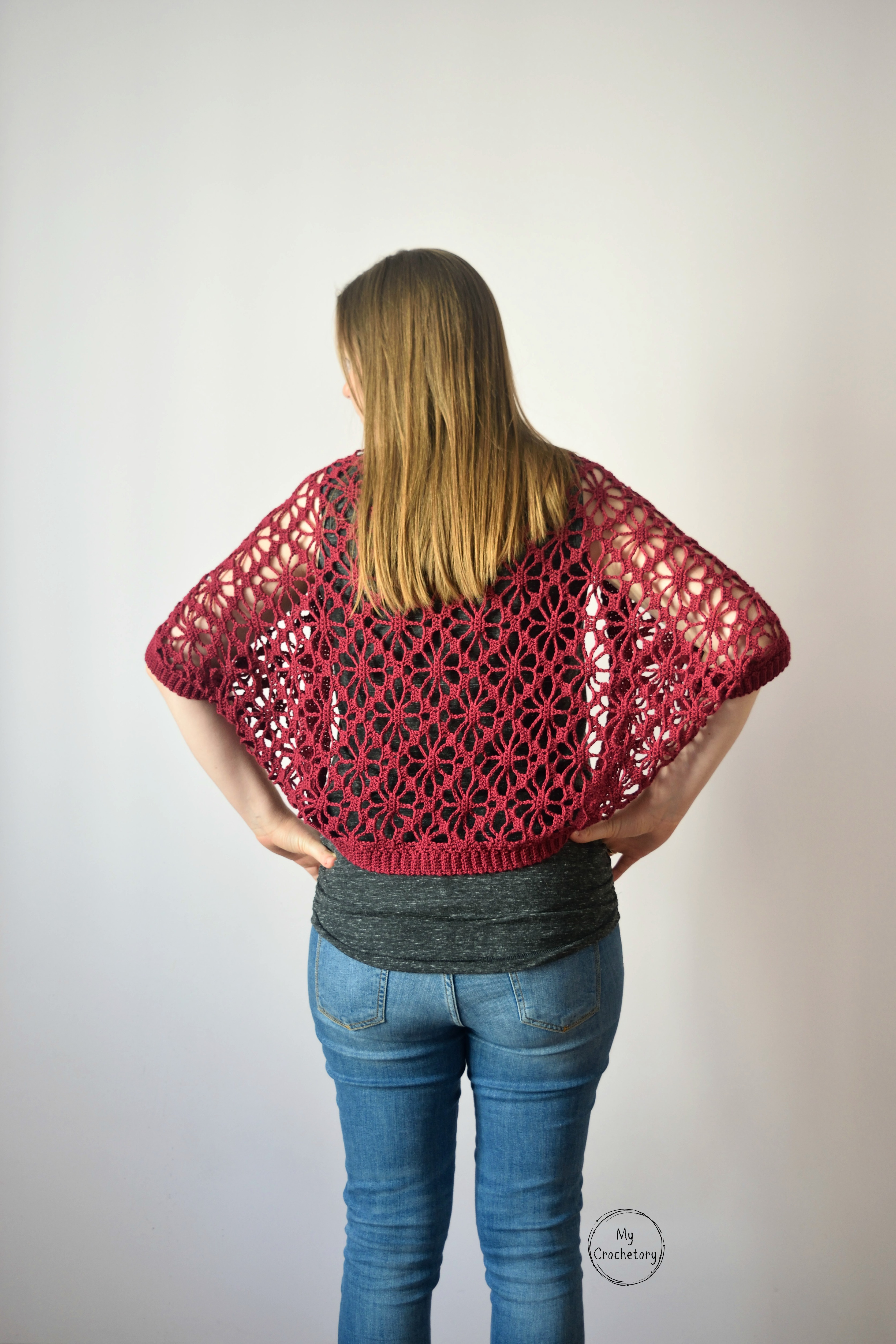

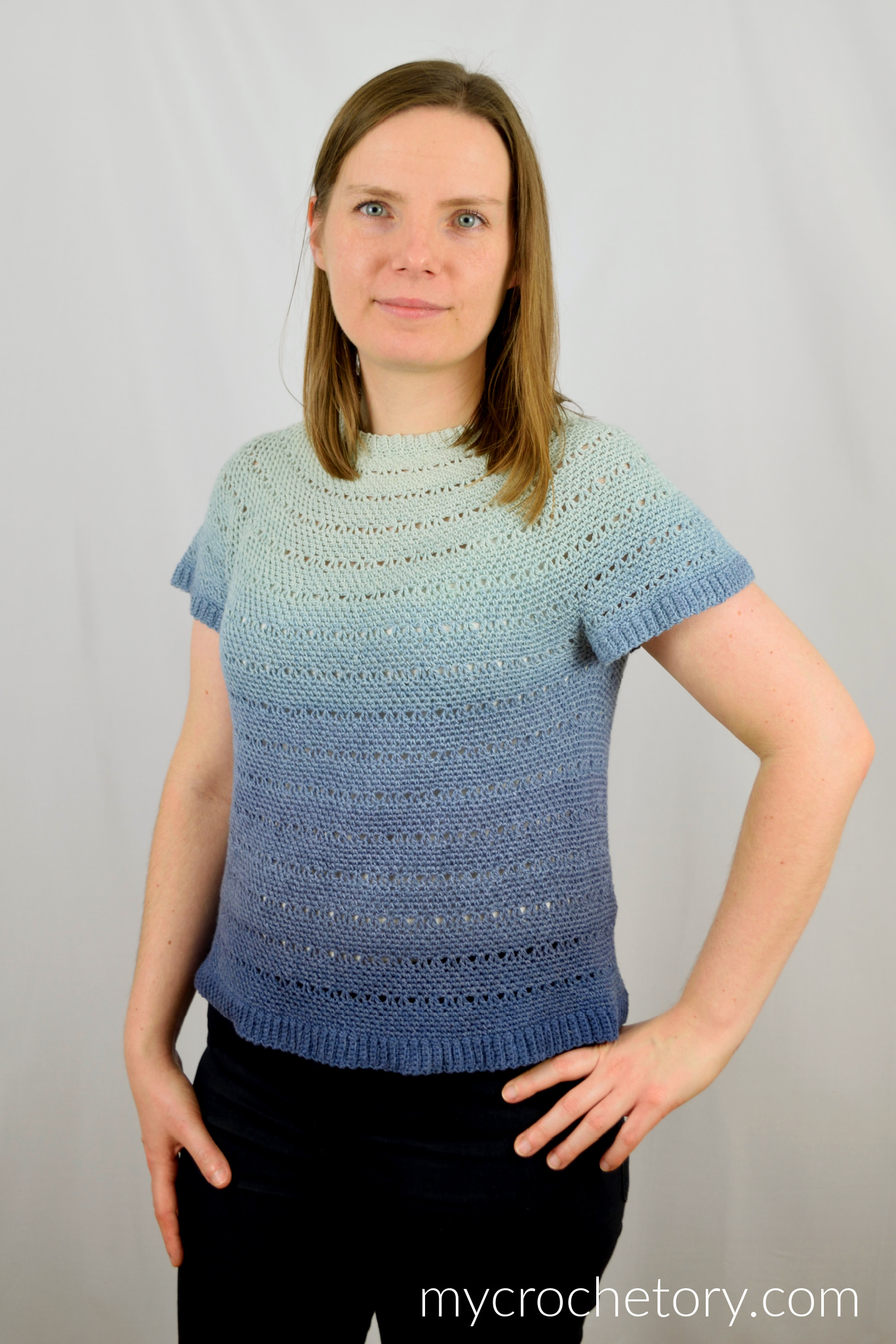
- Nalu Shrug
- Meadow Lace Shrug
- Rhea V-Neck Cardigan
- Willow Tee
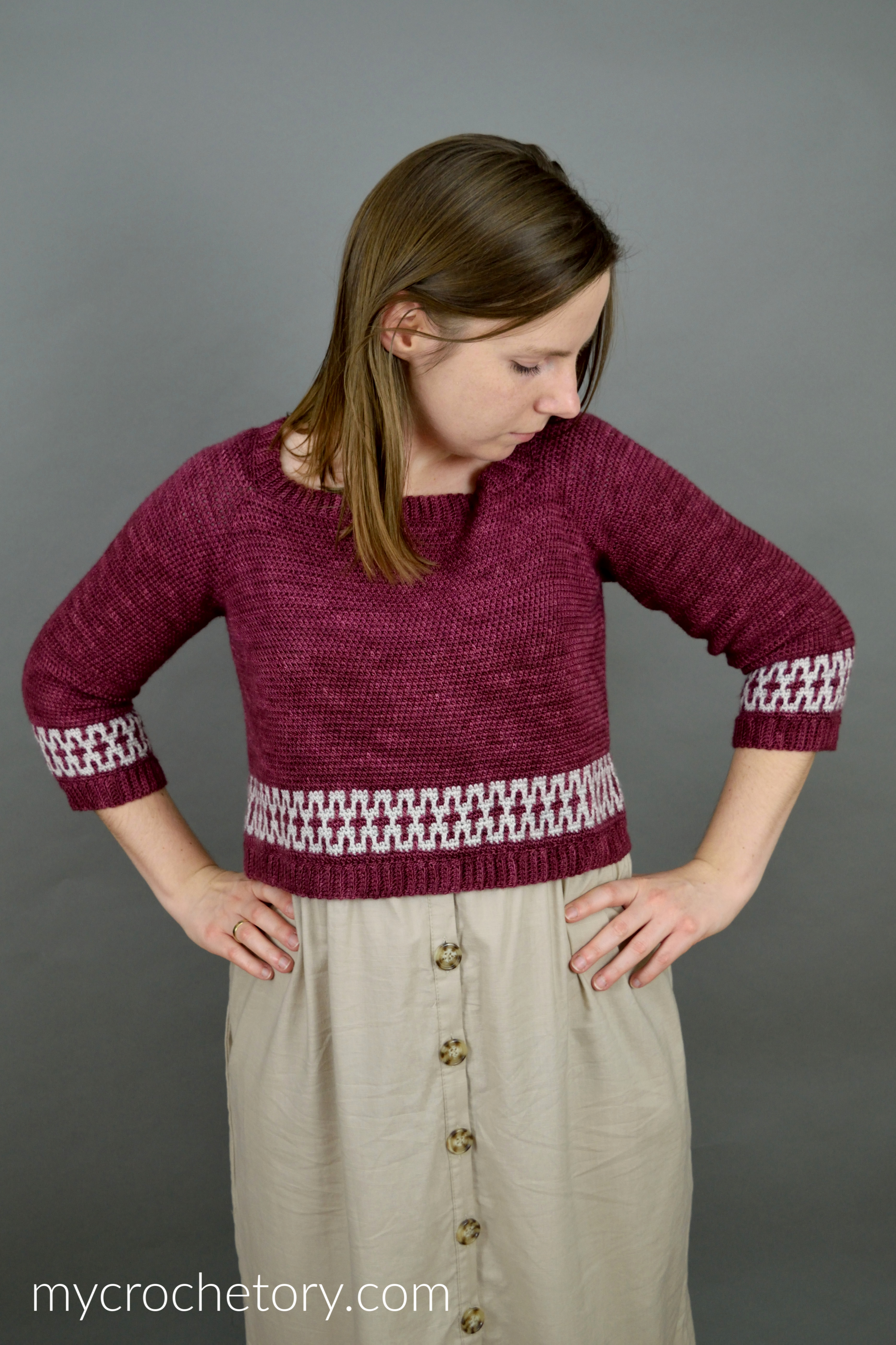
- Mosaic Cropped Sweater
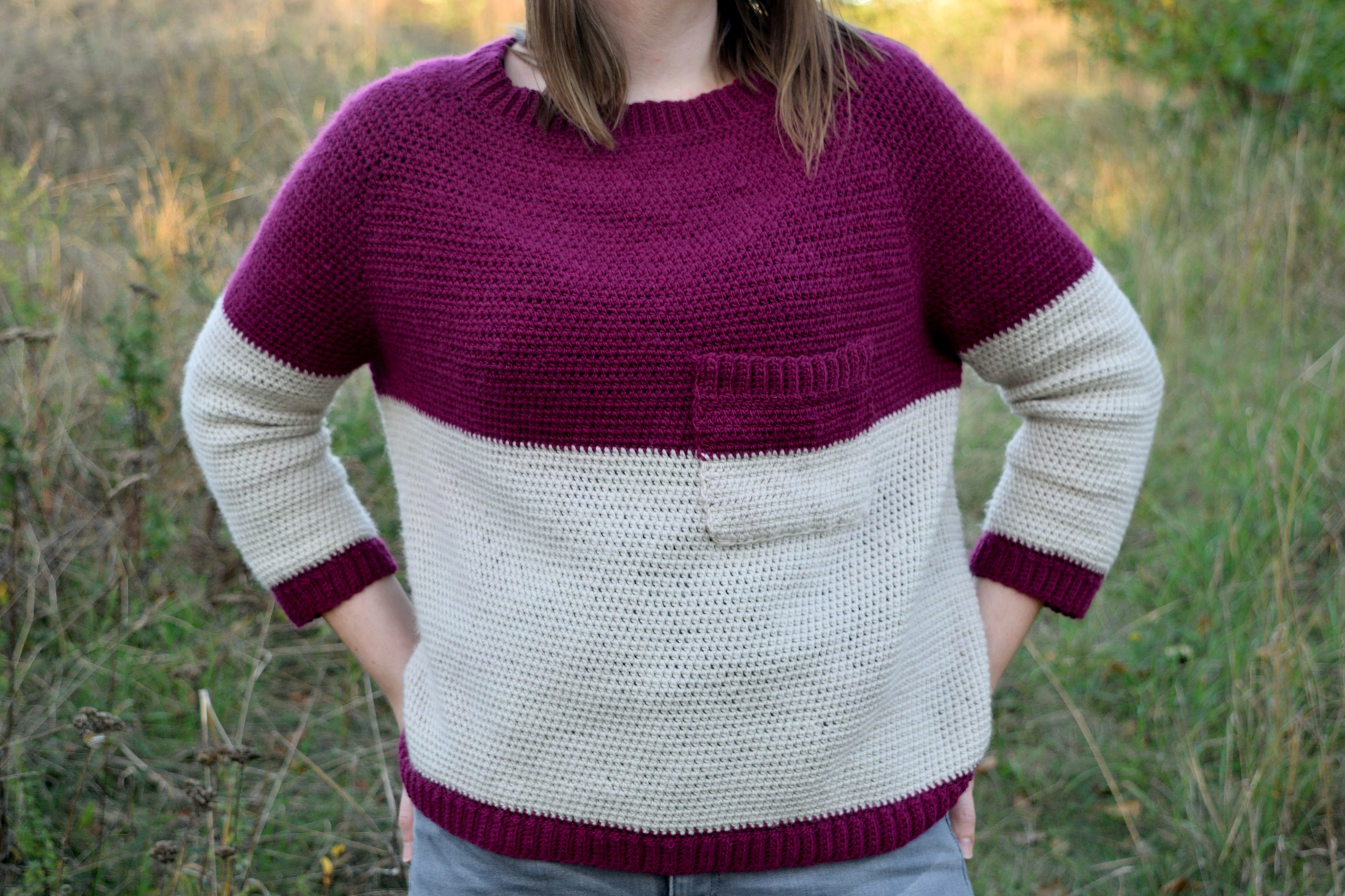
- Pocket Raglan Sweater
Lightweight Crochet Cardigan FAQ
Can I make the Nusa Cardigan longer or shorter?
Yes. Add or remove pattern repeats before the top of the neck to change the length of your lightweight crochet cardigan, and keep both front panels the same number of rows.
What size is this lightweight crochet cardigan?
It’s one size and fits S to L. For a bigger or smaller fit, work your lightweight crochet cardigan with a larger or smaller hook.
How big are the armholes?
About 9.75 inches (25 cm). You leave them open when you seam the sides.
Finished your Nusa? Share it on Instagram with #mycrochetory and tag @mycrochetory so I can see it.
Leave a Reply