
Updated: 5 March 2026 by Sylwia (MyCrochetory)
When you start learning crochet, the usual path looks the same for almost everyone.
First you learn how to make a slip knot. Then you practice chain stitches. Right after that, most crocheters move on to learning how to single crochet.
Single crochet is usually the first real stitch you learn after the foundation chain because it is simple, easy to repeat, and it quickly shows how crochet fabric is built.
In this tutorial I will show you how to single crochet step by step using clear photos and a video tutorial so you can see exactly how the stitch works.
Single crochet is also much more than a beginner stitch. I often use it in my own designs to create ribbing, hems, and cuffs for crochet hats, cowls, and garments.
It is also the base behind techniques like intarsia crochet and mosaic crochet, and many stitch variations that change where the hook is inserted to create completely different textures.
Psst—if you want 20+ free crochet tutorials all in one place, check out my Free Crochet Tutorials for Beginners guide!
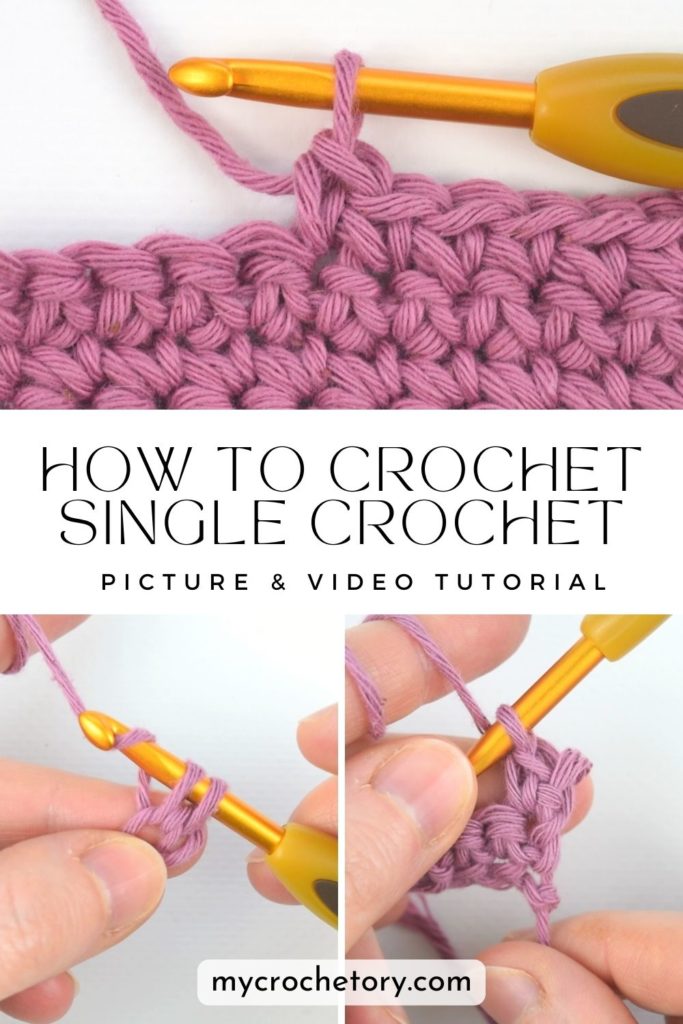
Before we dive into the full tutorial, here is a quick look at the basic motion.
Single Crochet Quick Summary
- Insert your hook into the stitch.
- Yarn over and pull up a loop.
- Yarn over again.a moz
- Pull through both loops on the hook.
That is one single crochet stitch.
Scroll down for the full step by step photo tutorial and video tutorial, where you can see exactly where to insert the hook and how each step should look while crocheting.
What is the Single Crochet Stitch?
The single crochet stitch is one of the most common stitches used in crochet. It creates a compact crochet fabric and shows up in many projects, from toys and bags to garments.
If you look at the top of a row, each single crochet forms a small V shape. That V shows exactly where the hook should go in the next row. When beginners struggle with stitch placement, it is usually because they are still learning to spot that shape.
Because the stitches sit close together, single crochet creates a dense and sturdy fabric. This makes it a good choice for projects that need structure, like amigurumi, bags, or parts of garments that should keep their shape.
In crochet stitch charts, single crochet appears as a small plus sign. In written crochet patterns, the stitch is abbreviated as sc.n the name of the single crochet to just “sc.” It’s like a little code to make things quicker to read.

What Does Single Crochet Look Like?
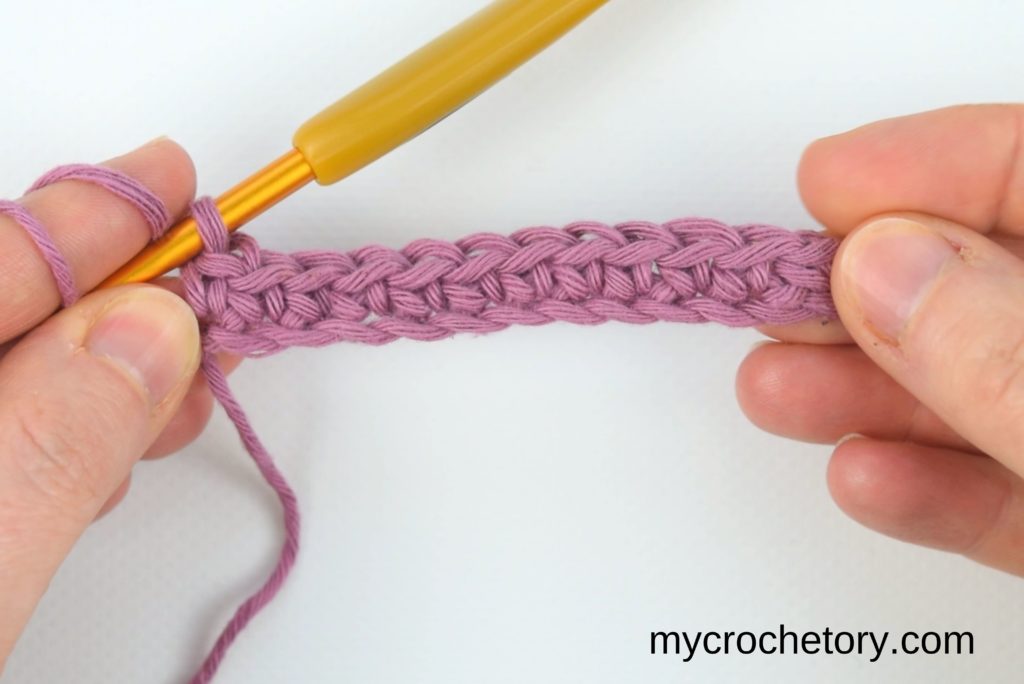
When you crochet a few rows of single crochet, the fabric starts forming a very recognizable texture.
The stitches sit close together, creating a compact and slightly bumpy surface. Unlike taller stitches, the fabric does not stretch much vertically, so the rows look tight and structured.
This is why single crochet is often used in projects that need a firm fabric, like amigurumi, bags, baskets, or sturdy parts of garments.
Another thing you may notice is how the rows stack neatly on top of each other. The texture looks almost like small woven bumps rather than tall stitches.
Once you have worked a few rows, it becomes easy to recognize single crochet fabric at a glance. It has a dense, tidy texture that looks very different from taller stitches like half double crochet or double crochet.
How to Single Crochet: VIDEO TUTORIAL
Sometimes the easiest way to understand a stitch is to watch it in motion.
In the video tutorial below, you can see how the single crochet stitch is worked step by step. Watching the hook placement and the loop movement often makes the technique much clearer.
In this video you will see:
• how to crochet a single crochet stitch
• how to increase using single crochet
• two ways to decrease in single crochet, including the invisible decrease
If you prefer written instructions with photos, scroll down to the step by step tutorial below.
TIP: To view this single crochet stitch for beginners video tutorial properly, please disable any ad-blocker you have running.
How to Single Crochet Step by Step
To make a single crochet stitch, follow these simple steps.
- Insert your hook into the next stitch.
- Yarn over and pull up a loop.
- You should now have two loops on your hook.
- Yarn over again.
- Pull through both loops on the hook.
That completes one single crochet stitch.
If you are learning this stitch for the first time, the step-by-step photos below will show you exactly how the hook moves and where each loop comes from.
How to Single Crochet for Beginners: Step-by-Step Tutorial
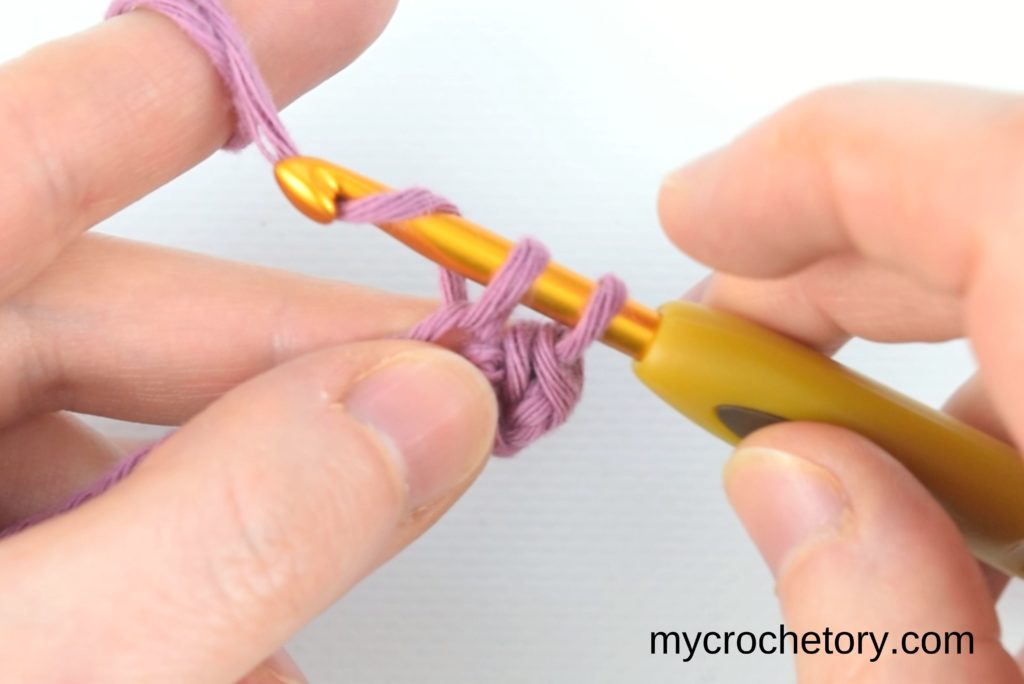
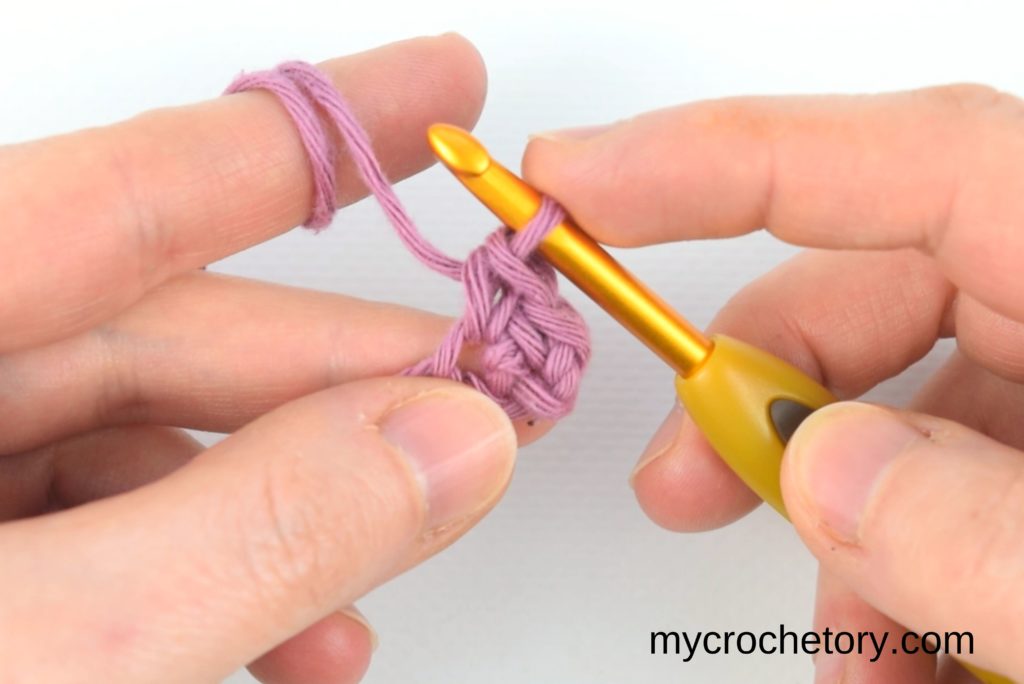
Step 1: Start with a chain any length.
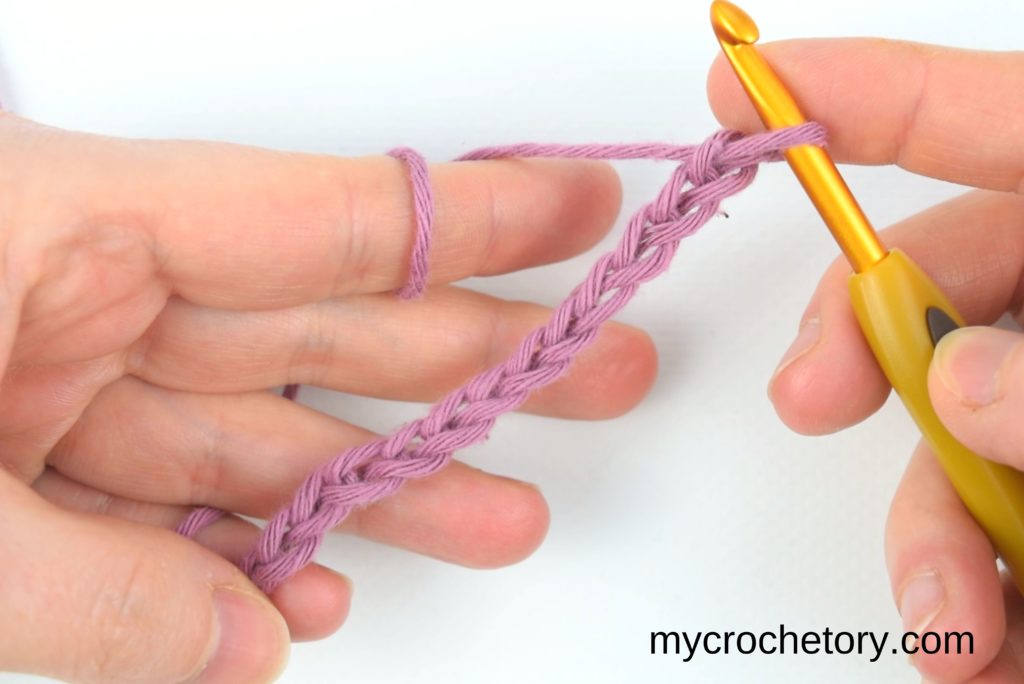
Step 2: Insert your crochet hook into the second chain from the hook. If you’re unsure, count two chains away from your hook.
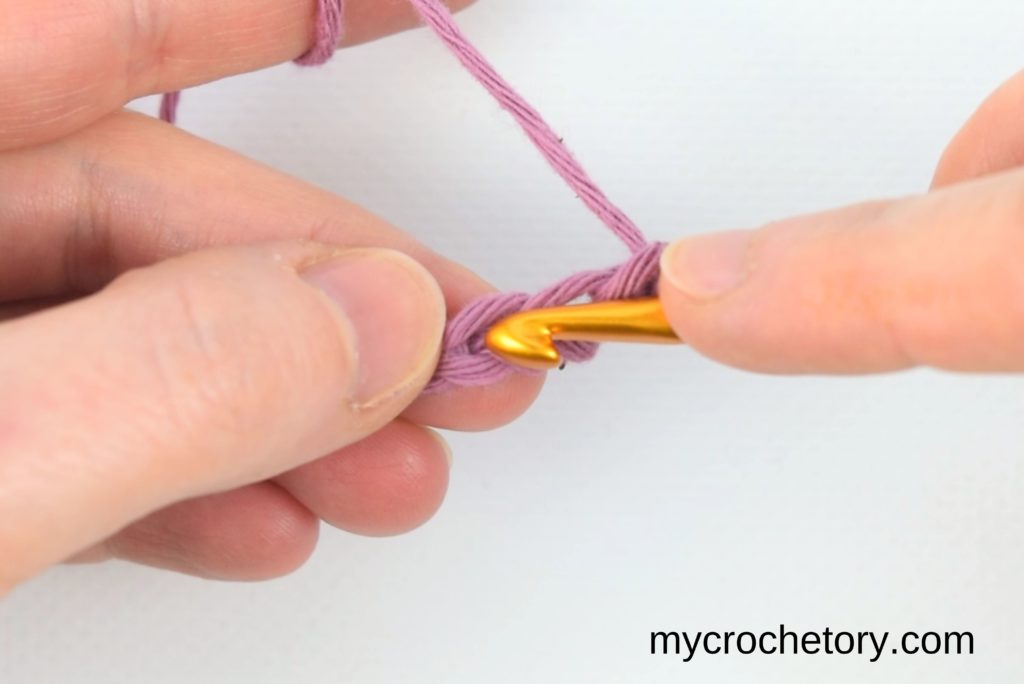
Step 3: Now, bring the yarn from the back to the front, over the top of the hook. This is called “yarn over.”
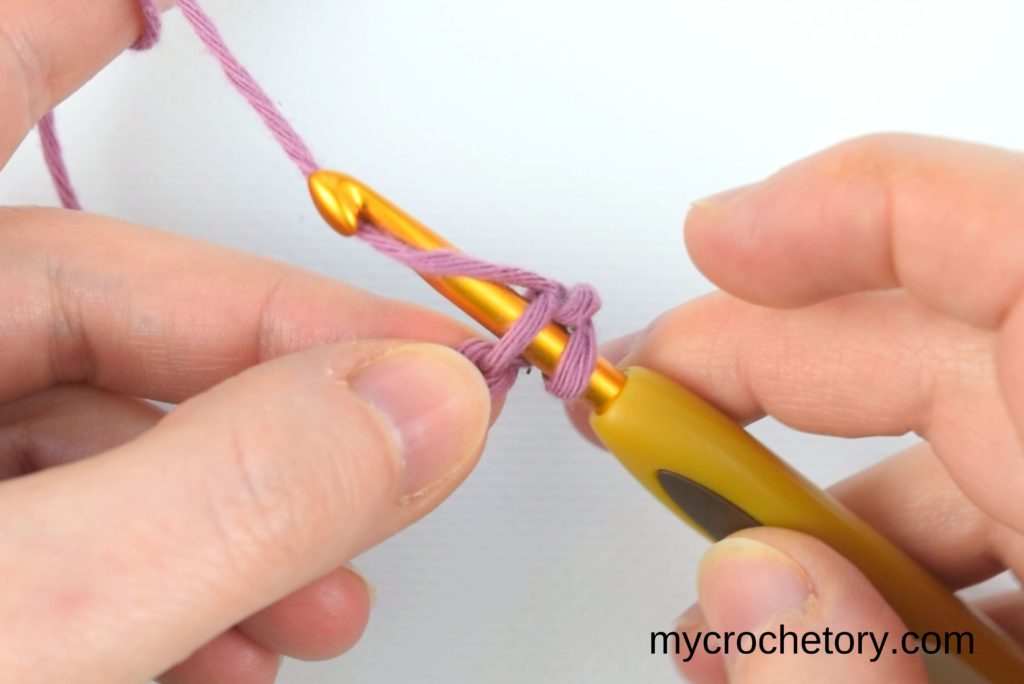
Step 4: With the yarn over the hook, pull it back through the chain. You should have two loops on your hook now.
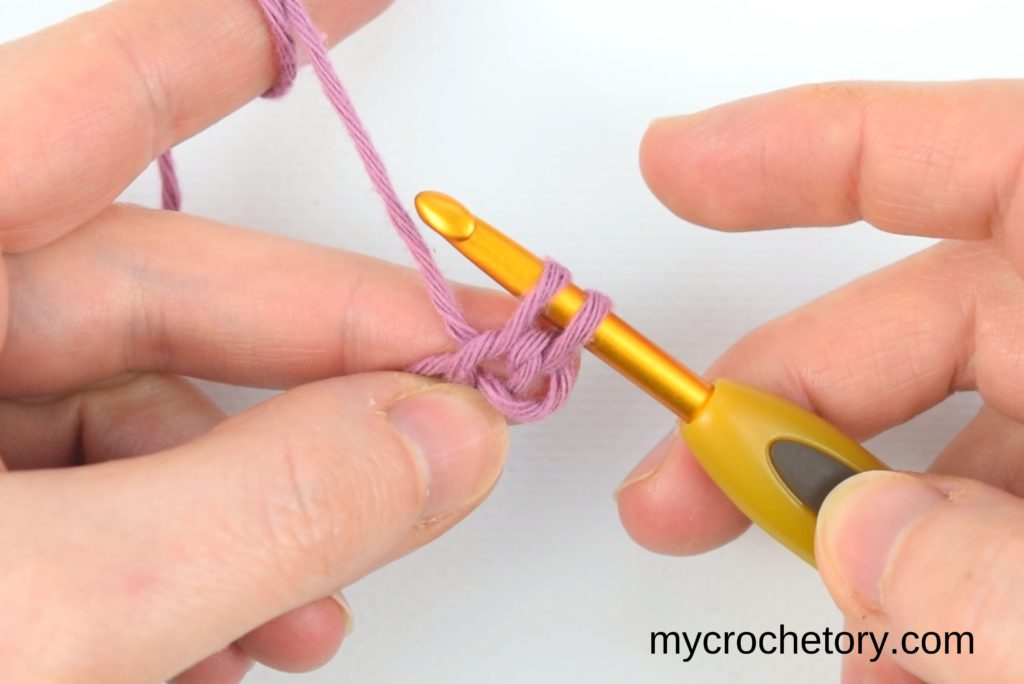
Step 5: Yarn over again, bringing the yarn from the back to the front.
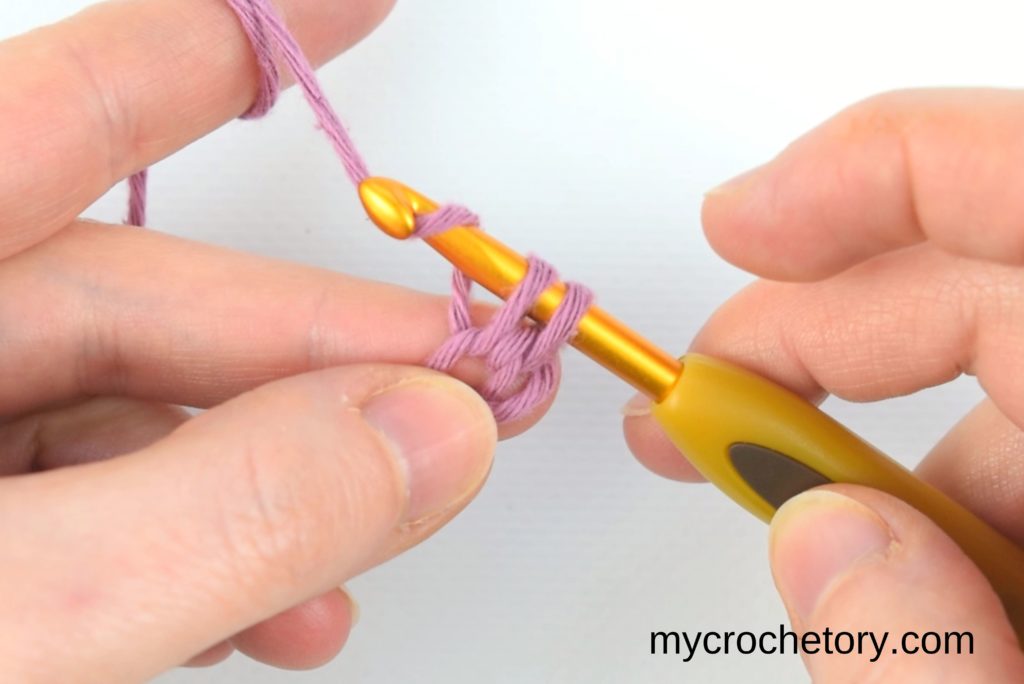
Step 6: Now, pull that yarn through both loops on your hook. Guess what? You just made a single crochet stitch!
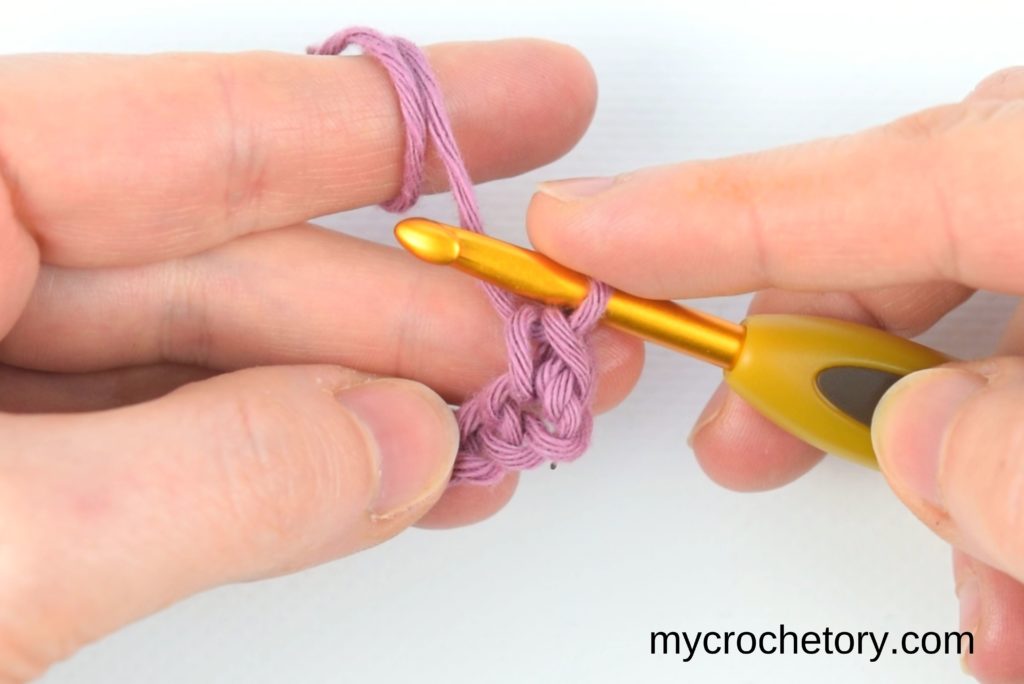
Repeat the Steps: Keep going! Insert your hook into the next chain, yarn over, pull up a loop, yarn over again, and pull through both loops.
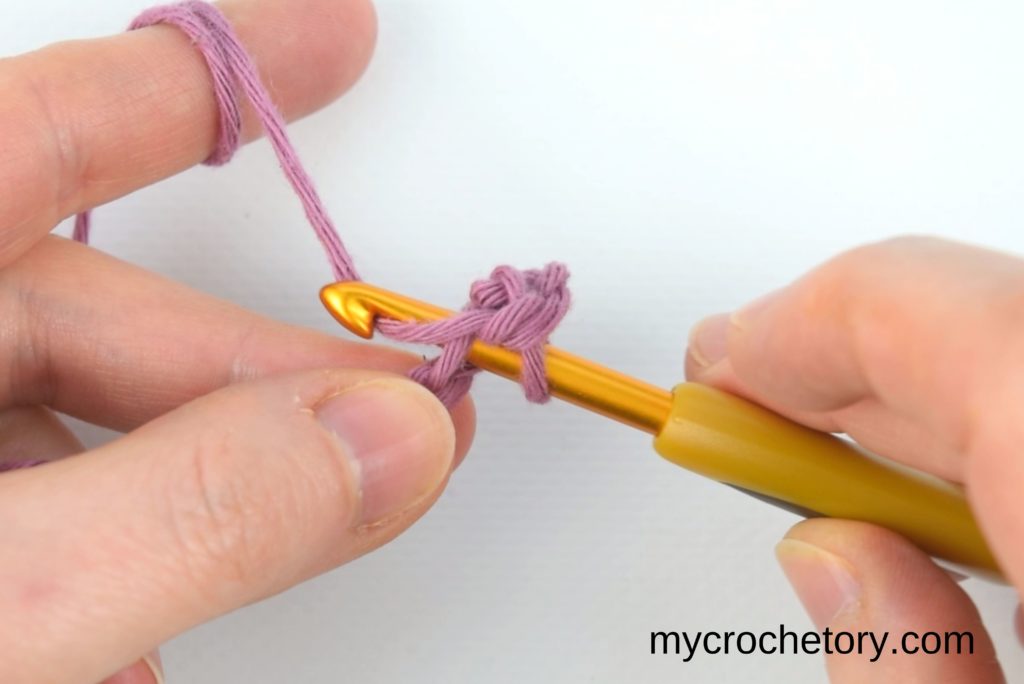
Next Row of Single Crochet
Great job on your first row! Now, let’s tackle the next row of single crochet stitches.
(Want crisp edges? Try my Straight Edges Every Time trick.)
Follow these straightforward steps:
Step 1: Turn your work and make a chain1.
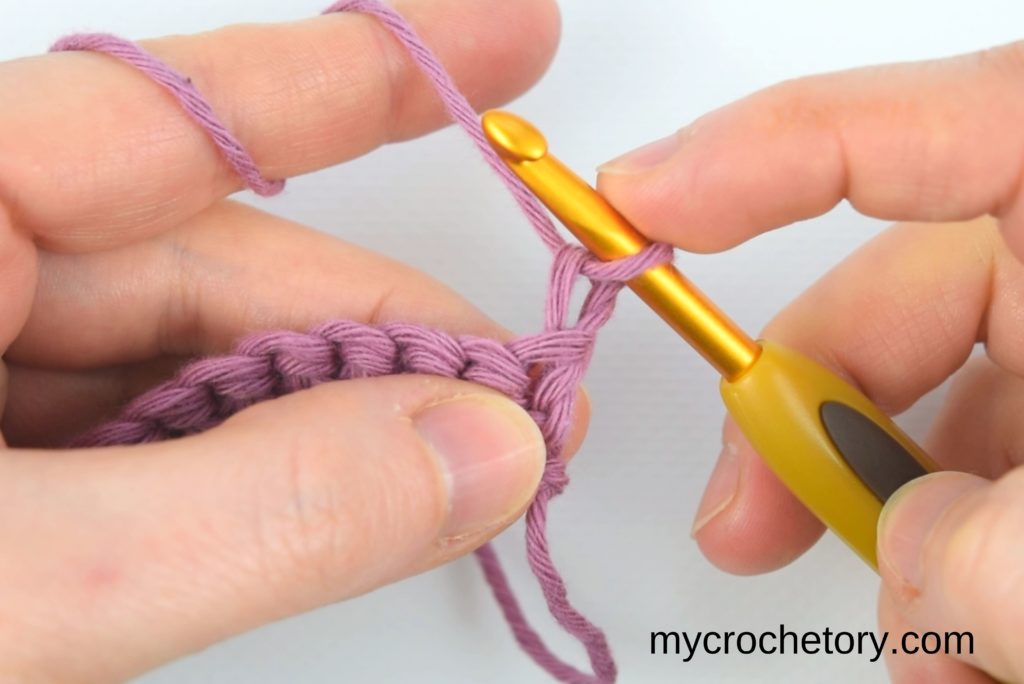
Step 2: This chain1 doesn’t count as a stitch, so to work the first single crochet insert your hook into first stitch, yarn over, and pull up a loop. Then yarn over again and pull through both loops on the hook.
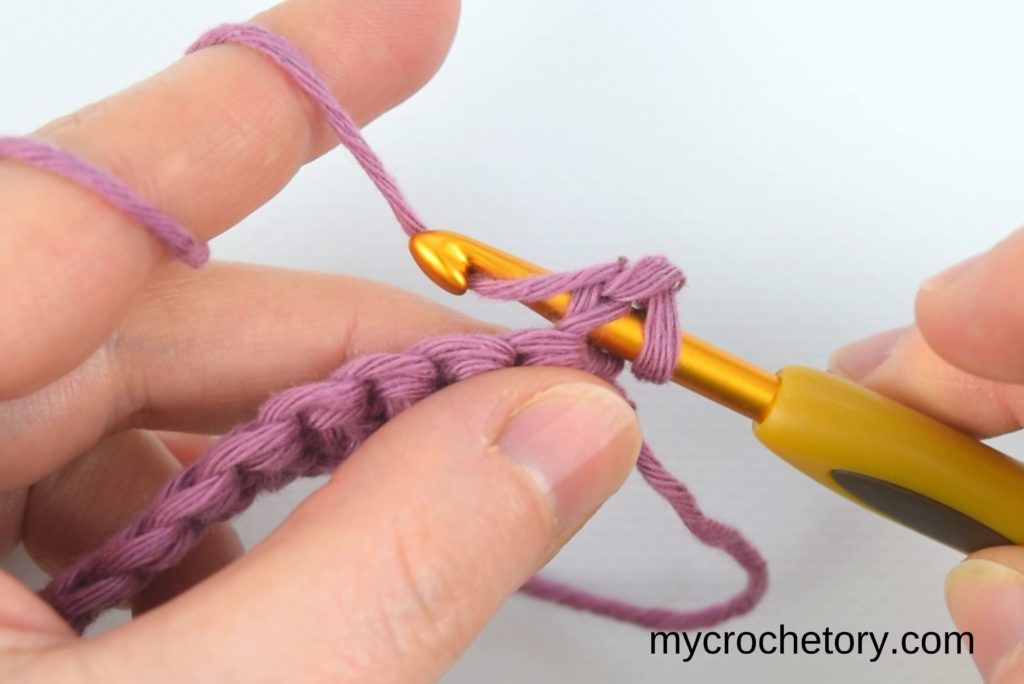
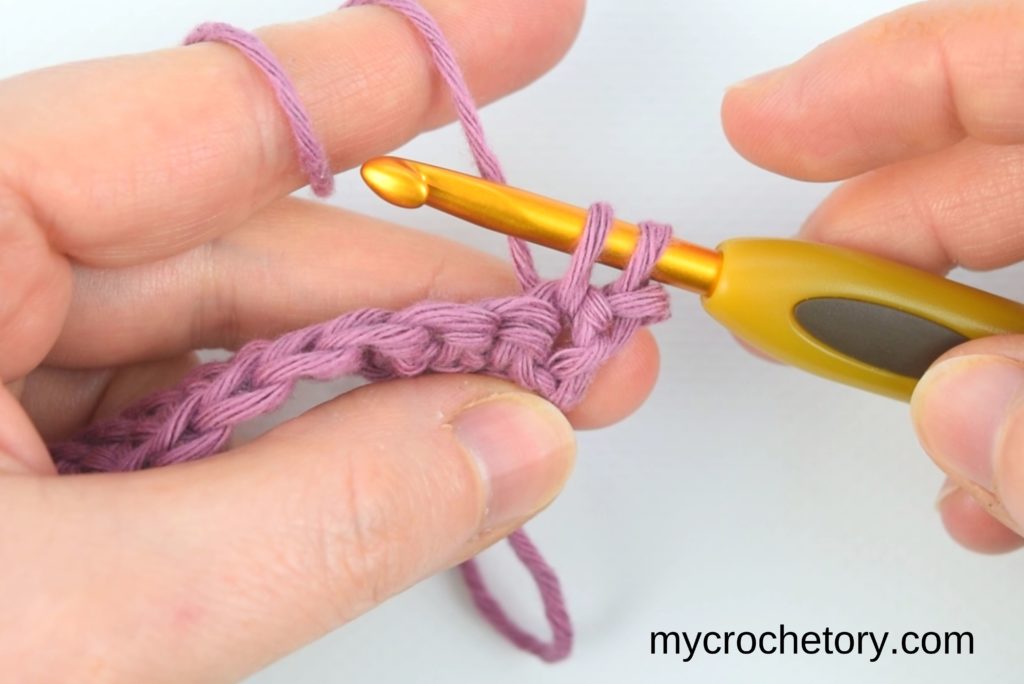
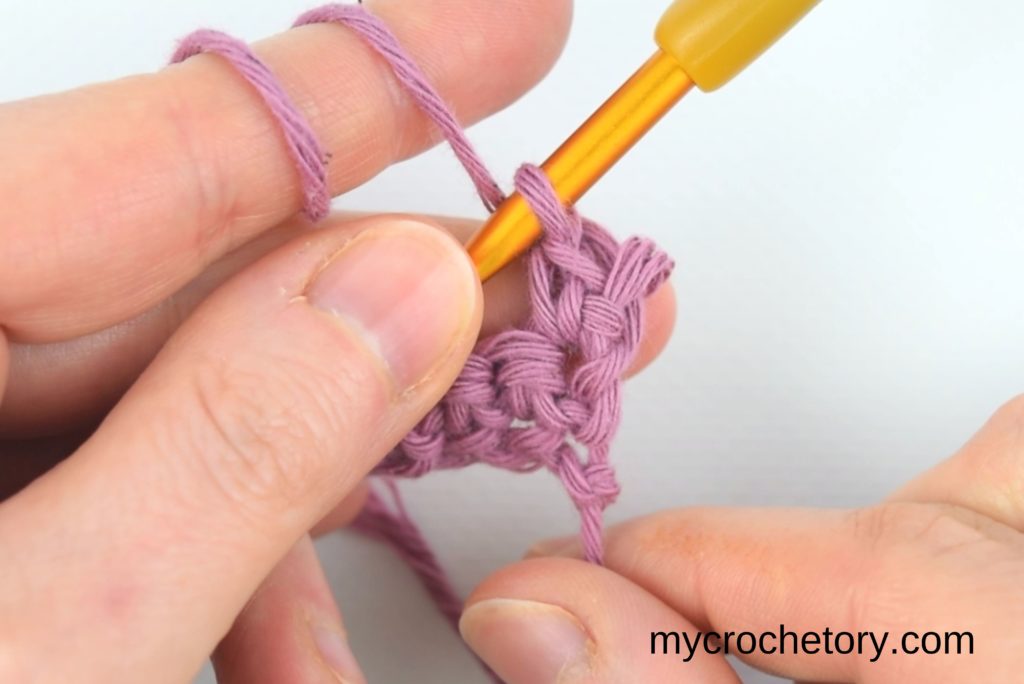
Step 3: Continue across the row. Make sure to work into the last stitch.
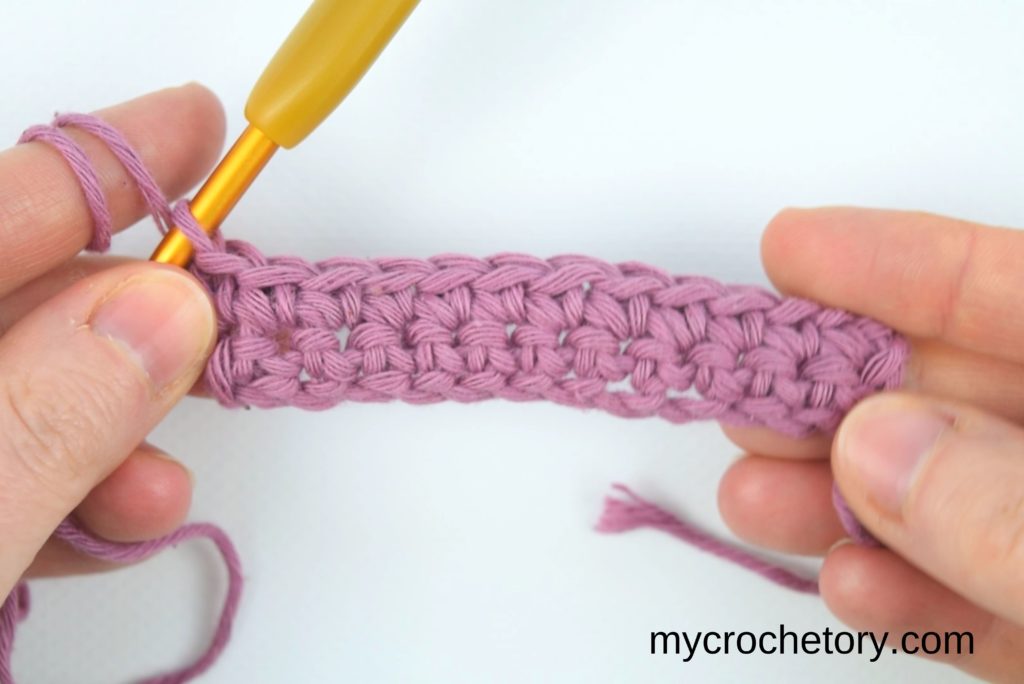
Step 4: To start another row, turn and ch1.
Keep practicing these steps until they feel easy. You’re making progress in learning how to single crochet!
To secure your crochet project, you’ll need to fasten off.
Sounds fancy, but it’s a simple way to finish up. Once you’ve finished your last stitch, cut the yarn, leaving a little tail.
Pull that tail through the loop on your hook, just like threading a needle. Gently tighten it up, and there you go! You’ve officially fastened off.
Then weave in the yarn ends with a tapestry needle.
Practice This Stitch
Once you get comfortable with single crochet, try using it in a small project. This stitch works well for things like dishcloths, simple scarves, bags, and amigurumi.
Practicing the stitch in a real project helps the movement become more natural and your stitches start looking more even.
Curious about other stitches like HDC, DC, and fancy colorwork? Explore 20+ free tutorials in Free Crochet Tutorials for Beginners.
How to Count Single Crochet Stitches
Counting single crochet stitches can feel a little confusing at first. You finish a row, look at your work, and suddenly wonder if a stitch disappeared somewhere.
That usually happens before your eyes get used to recognizing what a single crochet stitch actually looks like. Once you know what to look for, counting stitches becomes much easier.
Take a look at the top of your row. Each single crochet forms a small V shape. Those little V shapes are what you count.
Here is how I usually check my stitches.
- Find the row of V shapes
Each V you see at the top of the row counts as one single crochet stitch. - Start with the first actual stitch
Skip the turning chain and begin counting with the first single crochet. - Move across the row slowly
Just follow the line of V shapes from one side to the other. - Take a closer look at the last stitch
The edge of the row is where stitches most often get missed.
After a few rows your eye starts picking up those V shapes right away. Once that happens, counting stitches becomes quick and much more natural.

Common Mistakes in Single Crochet and How to Fix Them
Even though single crochet is one of the first stitches people learn, common single crochet mistakes can still show up while you are working. You look down at the row and something feels off. Maybe the stitches do not line up the way you expected, or the hook suddenly starts catching in the fabric.
Most of the time it is a small issue that is easy to fix once you notice it.
Here are a few situations that often show up when working single crochet stitches.
Why Do I Keep Losing Stitches in Single Crochet
Sometimes a stitch slips lower than the others or disappears from the edge of the row. This often happens when a stitch is accidentally skipped or when the last stitch of the row is missed.
A quick way to check is to look along the top of the row and count the V shapes. Each V represents one single crochet stitch. This usually helps you spot where a stitch was skipped or added.
Why Do My Single Crochet Stitches Look Uneven
Rows can sometimes look a little uneven when the yarn is held tighter for a few stitches and looser for others.
If you notice it early, it usually helps to go back to the point where the stitches start looking uneven and crochet that section again while keeping the yarn moving through your fingers in a steady way.
With practice your hands usually find a natural rhythm and the stitches begin to look more consistent.
Why Does My Single Crochet Look Twisted
If a stitch looks tilted or the row begins forming an odd pattern, the hook may have gone through the stitch in an unusual way.
For a regular single crochet stitch, the hook should pass under both loops at the top of the stitch. This keeps the top of the row forming a neat line of small V shapes.
Why Are My Single Crochet Stitches Too Tight
If the hook feels like it is getting stuck in the stitches, the fabric may simply be a bit too tight.
Loosening your grip on the yarn slightly often helps. Letting the yarn move more freely through your fingers makes it much easier to insert the hook and pull through the loops.
Once you start recognizing these small issues, it becomes much easier to fix single crochet mistakes and keep your stitches looking clean and even.
Single Crochet vs. Half Double Crochet
At some point almost every crocheter asks the same thing. What is the difference between single crochet and half double crochet? The stitches look pretty similar when you first learn them, but once you work a few rows you start noticing they behave quite differently.
The biggest difference comes down to height and fabric feel. One stitch stays compact and structured. The other builds height faster and gives the fabric a little more movement.
Single Crochet
Single crochet is the stitch many people reach for when they want a firm, tidy fabric. The stitches sit close together, so the fabric feels sturdy and holds its shape well.
That is why you will often see single crochet used for things like amigurumi, bags, or parts of garments that need a bit more structure. It also works nicely when you want clean edges or tighter texture in your project.
Half Double Crochet
Half double crochet is just a little taller than single crochet because of the extra yarn over. That small change makes a bigger difference than you might expect.
Rows grow faster, and the fabric feels a bit softer and more flexible. Many crocheters like using half double crochet stitches for scarves, blankets, and sweaters because the fabric drapes more easily.
Once you spend a little time working with single crochet and half double crochet, it becomes much easier to decide which stitch fits the project you have in mind.
Pro tip: For a full breakdown of SC, HDC, DC, and more, check my Ultimate Crochet Tutorials 2025 guide – it’s got you covered!
How To Do a Single Crochet Increase
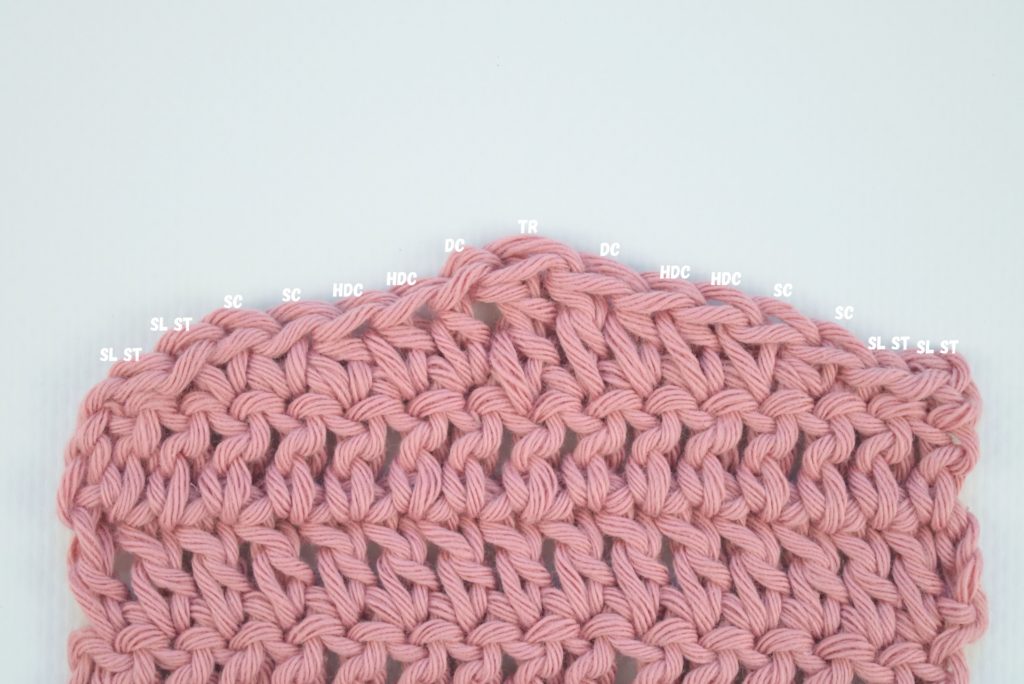
Learning how to do a single crochet increase is one of those moments that makes many crocheters pause for a second. You are working along just fine, and then the pattern suddenly says sc inc. If you have not seen that before, it can feel a little confusing at first.
A single crochet increase is actually very simple. It just means working two single crochet stitches into the same stitch. Doing that adds one extra stitch to the row, which helps your piece grow wider or start shaping.
Here is what that looks like in practice.
Step 1. Find the stitch where the increase goes
Look for the stitch your pattern tells you to use. Insert your hook into that stitch the same way you would for a regular single crochet.
Step 2. Make one single crochet
Work the stitch as usual.
Step 3. Go right back into that same stitch
Insert your hook into the exact same stitch again and make another single crochet.
Now you have two stitches sitting in one spot. That is your single crochet increase.
In crochet patterns you will usually see this written as sc inc or sometimes 2 sc in next stitch. Both mean the same thing.
Once you try it a couple of times, it starts to feel very natural. You are simply adding one extra stitch in that spot so the fabric can grow exactly where the pattern needs it.
How To Do a Single Crochet Decrease
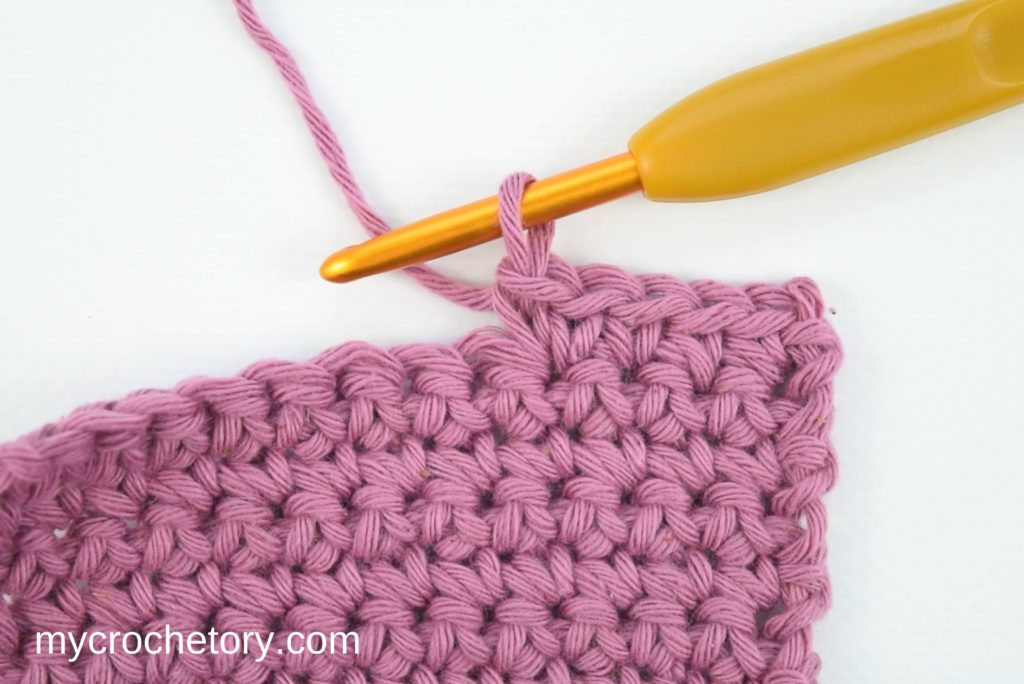
Learning how to do a single crochet decrease is one of those moments when your project really starts taking shape. You might be working along and suddenly notice the fabric needs to pull in instead of spreading out. That is when a decrease comes into play.
A single crochet decrease simply turns two stitches into one. Instead of finishing a stitch in each spot, you begin working into one stitch and then pull the next one into it before finishing. This removes one stitch from the row and helps the fabric narrow little by little.
In crochet patterns you will usually see this written as sc dec or sc2tog, which just means single crochet two together.
There are two ways crocheters usually do this.
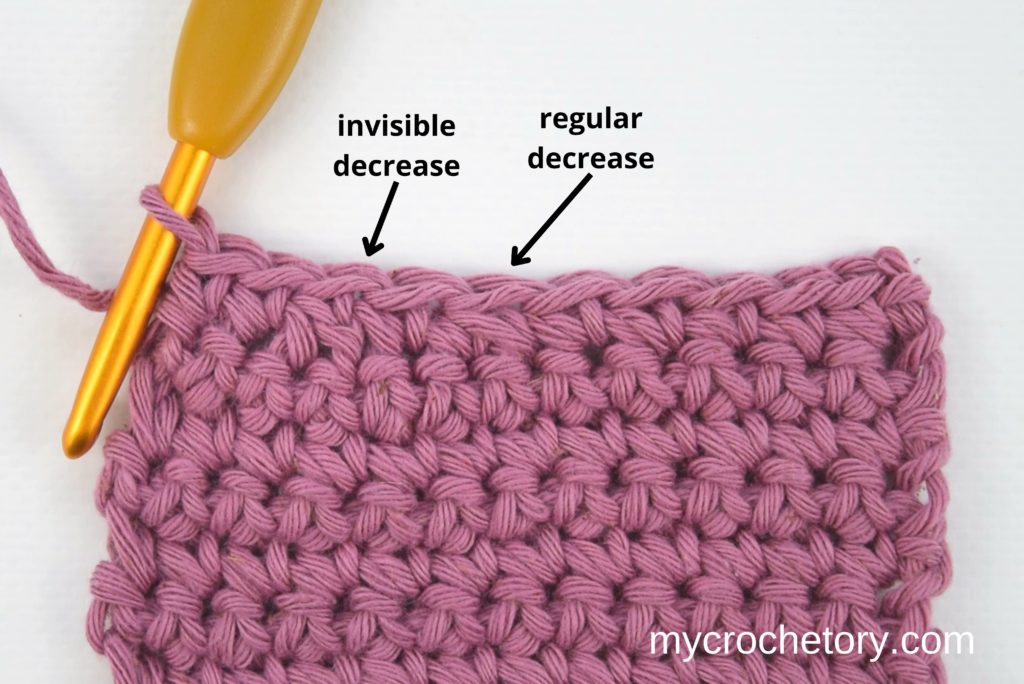
Regular Single Crochet Decrease
Insert your hook into the next stitch and pull up a loop.
Then insert your hook into the following stitch and pull up another loop.
You will now see several loops sitting on your hook. Yarn over and pull through all of them to finish the stitch.
Those two stitches have now become one stitch, which creates the decrease.
Invisible Single Crochet Decrease
Sometimes you may notice small gaps when you use the regular decrease. That is when many crocheters switch to the invisible decrease.
For this method, insert your hook into the front loop only of the next stitch, and then into the front loop only of the stitch after that. Yarn over and pull through both loops. Then finish the stitch the same way you normally would.
This pulls the stitches together more neatly and helps the decrease blend into the fabric.
If you want to see exactly how this works, I walk through it step by step in my How to Crochet an Invisible Decrease tutorial.
How To Single Crochet in the Round
If you have been crocheting rows for a while, the first time you try single crochet in the round can feel a little unusual. Your hands almost expect the edge of the row to show up so you can turn your work. Instead, the stitches keep circling around the piece.
This is how many crochet projects begin to take shape from the center. You will see crocheting in the round used in things like hats, baskets, and amigurumi.
The nice part is that nothing about the stitch itself changes. You are still making single crochet the same way. The only difference is how each round starts and finishes.
If you want to see how a circle grows from the center step by step, you can also check my How to Crochet a Circle tutorial where I show the full process.
Joined Rounds
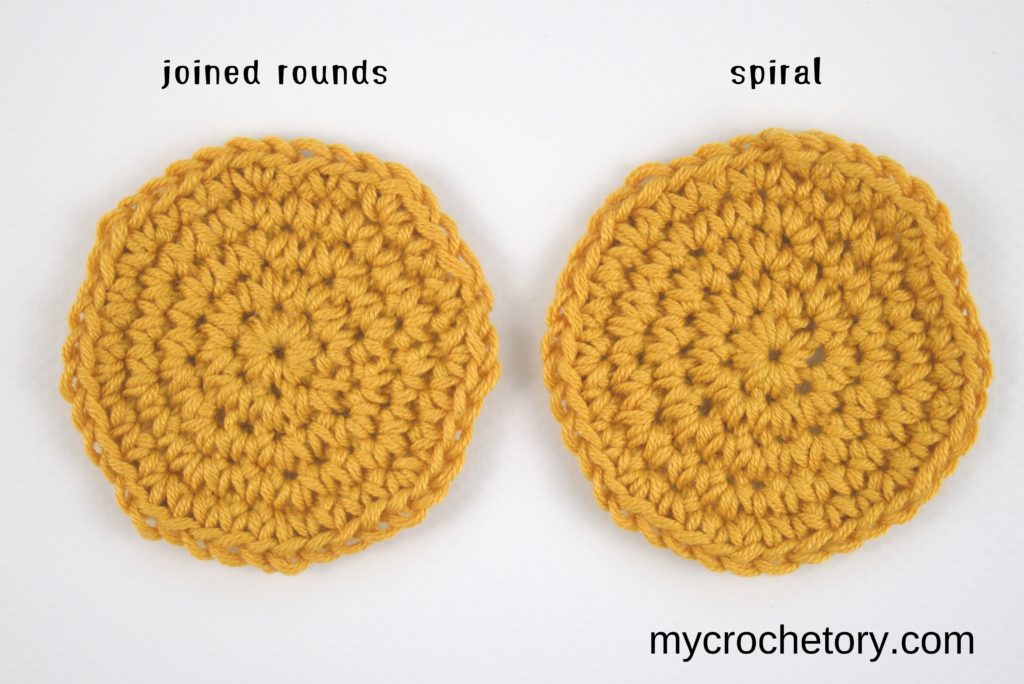
Some patterns like to keep the rounds clearly separated. That method is called joined rounds.
When you reach the end of the round, connect the last stitch to the first stitch with a slip stitch. Then make chain one to bring the yarn up to the height of the next round. The chain is only there to lift the yarn and does not count as a stitch.
Work the first single crochet of the new round into the same stitch where you made the join. When you come back around again, skip the slip stitch and the chain, then join to the first single crochet of that round.
You will notice a small seam running up the piece. Some crocheters actually prefer this because it makes it very easy to see where each round begins.
Continuous or Spiral Rounds
The other way to crochet single crochet in the round is with continuous rounds, sometimes called spiral rounds.
Instead of closing the round, you simply keep crocheting into the next stitch and continue moving around the piece. The stitches just keep flowing into the next round.
Since there is no join to mark the start of the round, it really helps to place a stitch marker in the first stitch. That small marker saves a lot of guessing once the circle starts getting bigger.
Single Crochet Variations That Change the Texture
One thing I really enjoy about single crochet is how much texture you can create without learning a completely new stitch. Often the only change is where the hook goes, and the fabric starts looking completely different.
Here are a few single crochet variations that are worth trying.
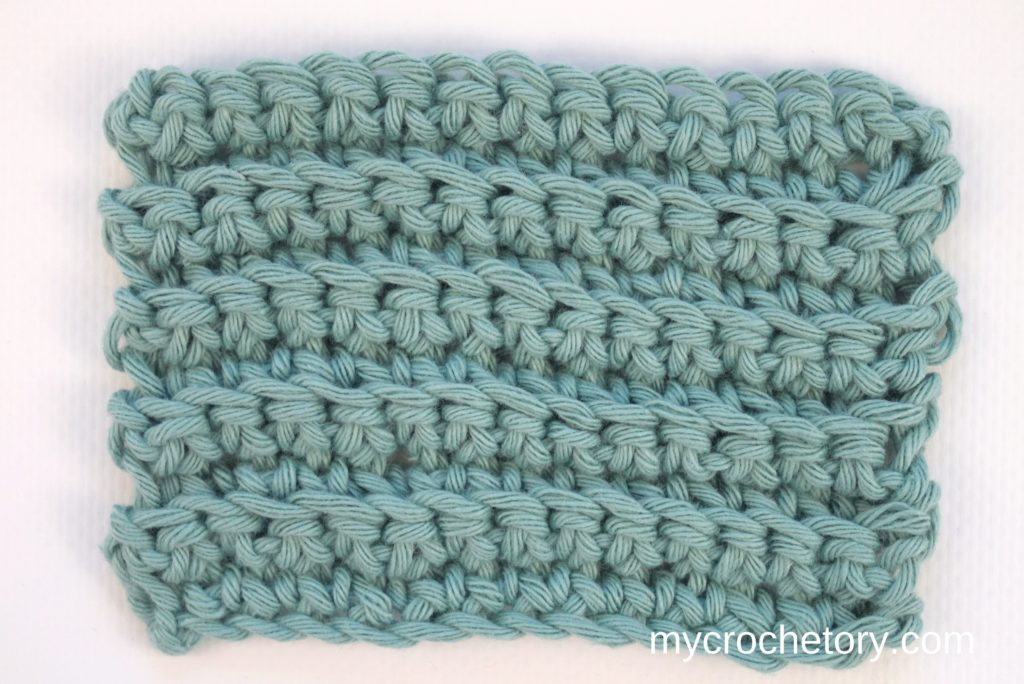
Single Crochet in the Back Loop Only (SC BLO)
In a regular single crochet stitch, the hook goes under both loops at the top of the stitch. With single crochet in the back loop only, you insert the hook under just the back loop.
This small change creates a stretchy ribbed texture. That is why SC BLO is often used for hat brims, garment cuffs, and ribbing sections.
Single Crochet in the Front Loop Only (SC FLO)
Another variation is single crochet in the front loop only, usually written as SC FLO in crochet patterns.
Instead of working under both loops, the hook goes under the front loop only. This leaves horizontal ridges across the fabric and creates a slightly more open texture. Designers sometimes use this technique when they want subtle lines or decorative texture in a project.

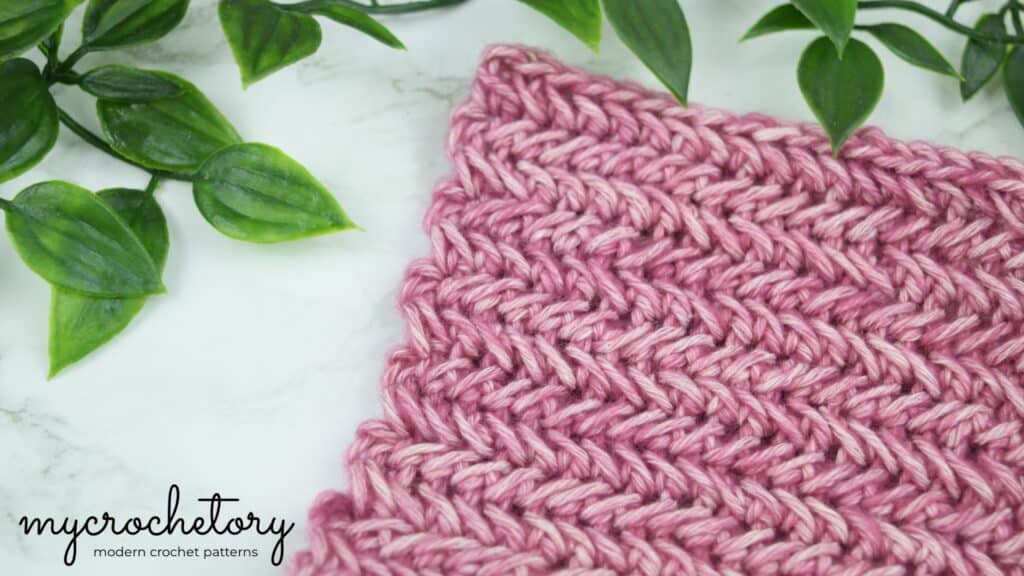
Herringbone Crochet Stitch
The herringbone crochet stitch builds on the motion of single crochet but adds an extra step that changes how the stitch sits in the fabric.
Each new stitch is first anchored into the left leg of the previous stitch, and then the hook is inserted into the next stitch. This tilts the stitch slightly and creates the characteristic diagonal, zigzag texture.
To work the stitch, insert the hook into the left strand of the previous stitch, moving from right to left. Then insert the hook into the next stitch, working from back to front. Yarn over, pull up a loop, yarn over again, and pull through all three loops on the hook.
If you want to see the full technique step by step, you can follow my tutorial How to Crochet the Herringbone Stitch.
Crochet Knit Stitch
Another interesting variation is the crochet knit stitch, sometimes called the waistcoat stitch.
Instead of inserting the hook under the loops at the top of the stitch, the hook goes into the center of the stitch from the previous row. After that, the stitch is completed the same way as a regular single crochet.
This creates a fabric that looks very similar to knitting, which is why many crocheters enjoy using it when they want that knit like texture in crochet projects.

Trying different single crochet variations is a simple way to add texture and character to your crochet projects. A small change in hook placement can completely change how the finished fabric looks.
PS: Before you pin this, check out my mega roundup of free crochet tutorials – 20+ guides all in one spot: Free Crochet Tutorials for Beginners.
Single Crochet FAQ: Common Questions and Troubleshooting
Why do I keep losing stitches in single crochet?
You usually lose stitches when the first or last stitch of the row is missed.
This happens easily at the edges, especially when the turning chain is mistaken for a stitch. A quick way to check is to look at the top of the row and count the small V shapes. Each V represents one single crochet stitch.
Why do my single crochet stitches look uneven?
Uneven single crochet stitches usually happen when yarn tension changes while you are working.
If some stitches are pulled tighter and others are looser, the fabric can start looking uneven. Try to keep the yarn moving through your fingers in a consistent way as you work each stitch.
Why are my crochet edges not straight?
Crochet edges become uneven when stitches are accidentally added or skipped in a row.
This usually happens at the beginning or the end of the row. Counting your stitches regularly and paying attention to the first and last stitch helps keep the edges straight.
If edges are something you struggle with, you might find my tutorial How to Crochet Straight Edges Every Time helpful. It shows a few small adjustments that make the sides of your crochet projects much cleaner.
Does the turning chain count as a stitch in single crochet?
In most single crochet patterns, the turning chain does not count as a stitch.
It simply lifts the yarn to the correct height for the next row. The first single crochet is usually worked directly into the first stitch.
Why are my single crochet stitches too tight?
Tight single crochet stitches usually happen when the yarn is held too firmly.
If the yarn is pulled very snug while working each stitch, it becomes harder to insert the hook into the next stitch. Relaxing your grip slightly and letting the yarn move more freely can make the stitches easier to work into.
How do I know where to insert the hook in single crochet?
In single crochet, the hook is inserted under both loops at the top of the stitch.
These two loops form the small V shape you see along the top of the row. Following that row of V shapes makes it much easier to see exactly where the next stitch should go.
Don’t forget to save this Pin for easy reference: 📌
We’d love to hear about your crochet adventures and see your beautiful creations. Drop a comment below sharing your thoughts, questions, or even your favorite crochet tips! Your voice adds a vibrant thread to our crafting community.
Sharing is caring! If you found this guide helpful, consider spreading the love. Click the share button and inspire other crocheters.
Stay in the loop with our latest crochet guides, tips, and inspiration. Subscribe to our newsletter for exclusive content straight to your inbox. Never miss a stitch—subscribe today!
Happy crocheting, and may your yarn always be tangle-free!
Join my Facebook Group and Official Ravelry Group where you can find necessary support, you can ask questions or share your finished projects.
You can also follow my Instagram, Facebook page and Pinterest.
Leave a Reply